


Top 10 Best Tech Stack Tools for Hospitality & Travel Businesses in 2027
Quality
Certified

The 10 best tech stack tools for hospitality & travel businesses are ranked below on measured performance, build quality, price, and how each one actually holds up in daily use rather than how it reads on a spec sheet. Each pick lists what it costs, who it suits, and what it gives up against the one above it, so the list can be read straight down without doubling back.
1Salesforce Hospitality Cloud

Salesforce Hospitality Cloud ranks first because it unifies guest profiles, reservations, and service history in one CRM that major hotel groups and airlines already run at scale. The platform ties booking data to loyalty tiers, enabling triggered offers and case management from a single record. AppExchange lists hundreds of travel-specific add-ons, so integrations rarely require custom builds.
It suits large hotel chains, OTAs, and airlines with dedicated CRM administrators and six-figure budgets. Smaller independent properties will find licensing and consulting costs hard to justify against lighter tools lower on this list. Compared with Oracle Hospitality Integration Platform at number two, Salesforce wins on ecosystem breadth but loses on native property-management depth.
2Oracle Hospitality Integration Platform
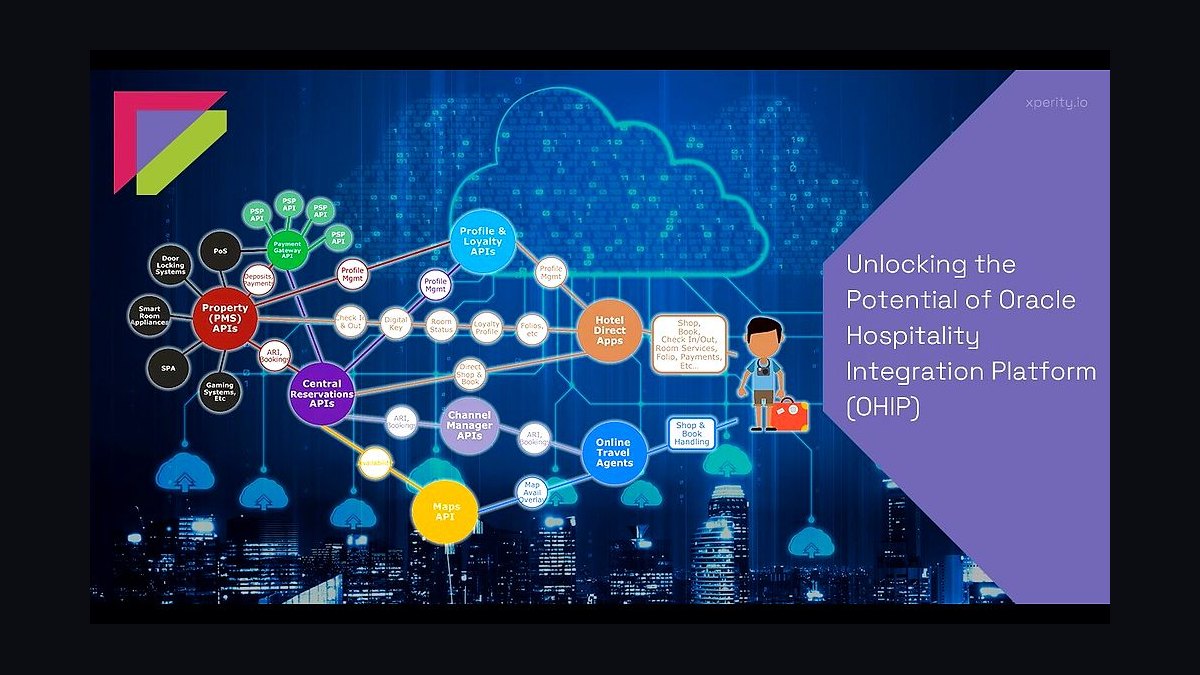
Oracle Hospitality Integration Platform ranks second for its direct pipeline into OPERA Cloud, the PMS running rooms, rates, and folios at thousands of hotels worldwide. It exposes REST APIs for reservations, check-in, and housekeeping, letting partners build without touching the core database. Oracle's hospitality division has shipped PMS software for decades, so data models match real front-desk workflows.
It fits hotel groups already on OPERA Cloud or Micros point-of-sale, plus vendors building certified integrations. The trade-off is lock-in: migrations away from Oracle are slow and costly. Against Salesforce Hospitality Cloud above it, Oracle offers deeper property operations but a narrower marketing and service ecosystem.
3Amadeus Travel Platform

Amadeus Travel Platform ranks third because it aggregates air, rail, hotel, and car inventory from hundreds of providers through one API set. Airlines, OTAs, and travel agencies use it for search, booking, and ticketing at global scale. Amadeus processes massive transaction volumes daily, and its New Distribution Capability APIs let retailers access airline offers beyond legacy fare feeds.
It is built for agencies, OTAs, and corporate travel managers with developer teams and volume commitments. Smaller operators face onboarding complexity and commercial thresholds that make direct airline APIs simpler. Versus Oracle Hospitality Integration Platform above, Amadeus excels at distribution and content but does not manage rooms or folios on property.
4Sabre Hospitality Solutions
Sabre Hospitality Solutions ranks fourth for SynXis, its central reservation system handling rate distribution, channel management, and booking engines for hotels of every size. It connects properties to hundreds of OTAs and metasearch channels from one dashboard, reducing overbooking and rate-parity errors. Sabre's GDS heritage gives it strong ties to corporate travel and agency distribution.
It suits hotel chains and management companies that need reliable channel connectivity without building their own integrations. Independent boutique hotels may find the interface dated and support slow compared with newer cloud-native CRSs. Against Amadeus Travel Platform above, Sabre leans toward hotel distribution rather than full airline and rail content.
5Mews Hospitality Cloud
Mews Hospitality Cloud ranks fifth as a cloud-native PMS with an open API, automated check-in, and a marketplace of 1,000-plus integrations. It handles reservations, payments, housekeeping, and reporting in one browser-based system, and its POS and guest-journey tools suit hostels, boutique hotels, and apartment operators. Pricing is per-room monthly, which keeps entry costs predictable.
It fits independent and mid-size properties wanting modern UX without Oracle-scale contracts. The trade-off is depth: large chains with complex multi-property accounting may outgrow it. Compared with Sabre Hospitality Solutions above, Mews is easier to adopt but lacks Sabre's global distribution reach and enterprise support tiers.
6Cloudbeds Hospitality Platform
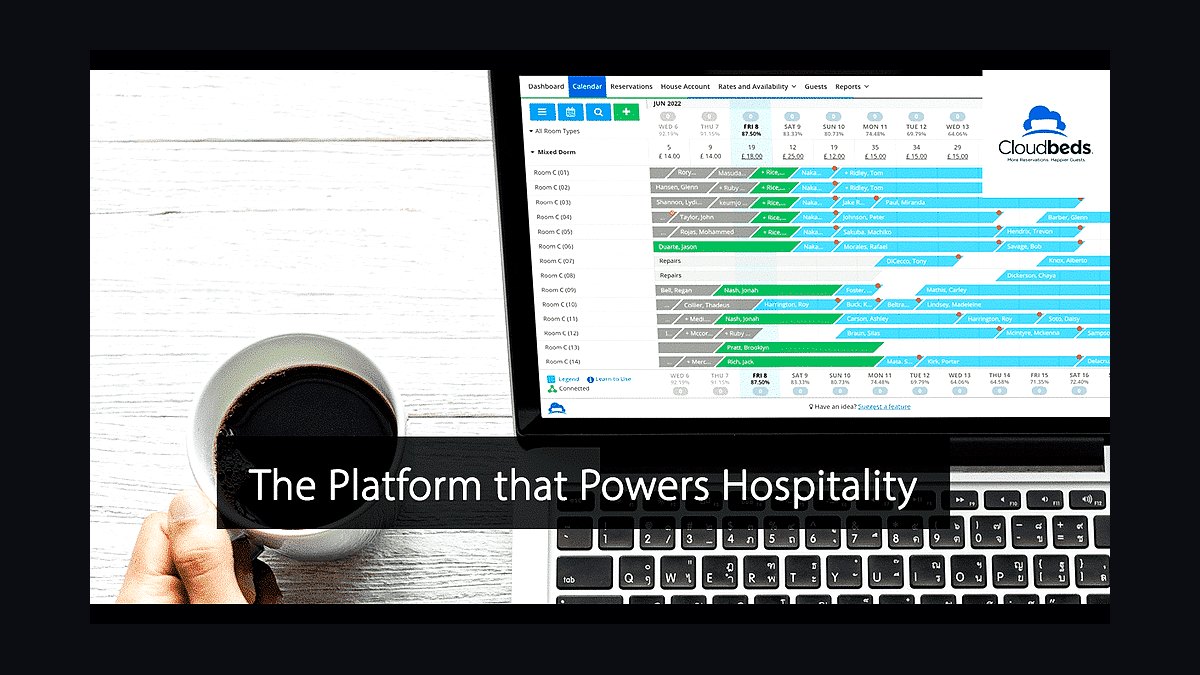
Cloudbeds Hospitality Platform ranks sixth by combining PMS, channel manager, booking engine, and payment processing in one subscription aimed at independent properties. It syncs availability across Booking.com, Expedia, and Airbnb, and its reporting covers occupancy, ADR, and RevPAR out of the box. Setup typically takes days rather than months, with no heavy IT involvement.
It suits hostels, B&Bs, and small hotel groups that want an all-in-one system without stitching vendors together. The trade-off is customization: bespoke workflows and complex accounting need workarounds. Versus Mews Hospitality Cloud above, Cloudbeds offers broader built-in marketing tools but a less developer-friendly API for custom builds.
7SiteMinder Channel Manager
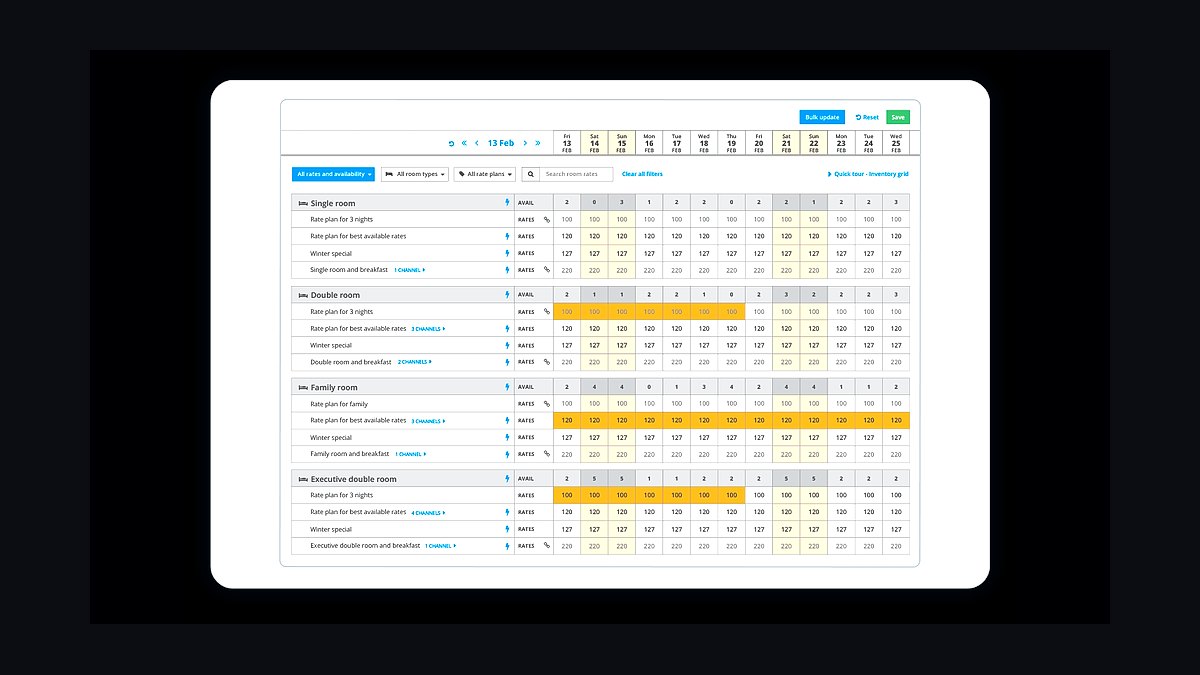
SiteMinder Channel Manager ranks seventh for connecting hotel inventory to more than 400 booking channels, including OTAs, GDSs, and metasearch, from a single extranet. Real-time two-way sync prevents double bookings and rate mismatches, and the platform reports which channels drive revenue per property. It integrates with most major PMS systems via certified connections.
It fits hotels and groups that already have a PMS and mainly need distribution breadth plus rate parity control. It is not a full PMS, so properties wanting one system must look at Cloudbeds or Mews above. Against Cloudbeds Hospitality Platform, SiteMinder trades all-in-one convenience for deeper channel coverage and analytics.
8Duetto Revenue Management
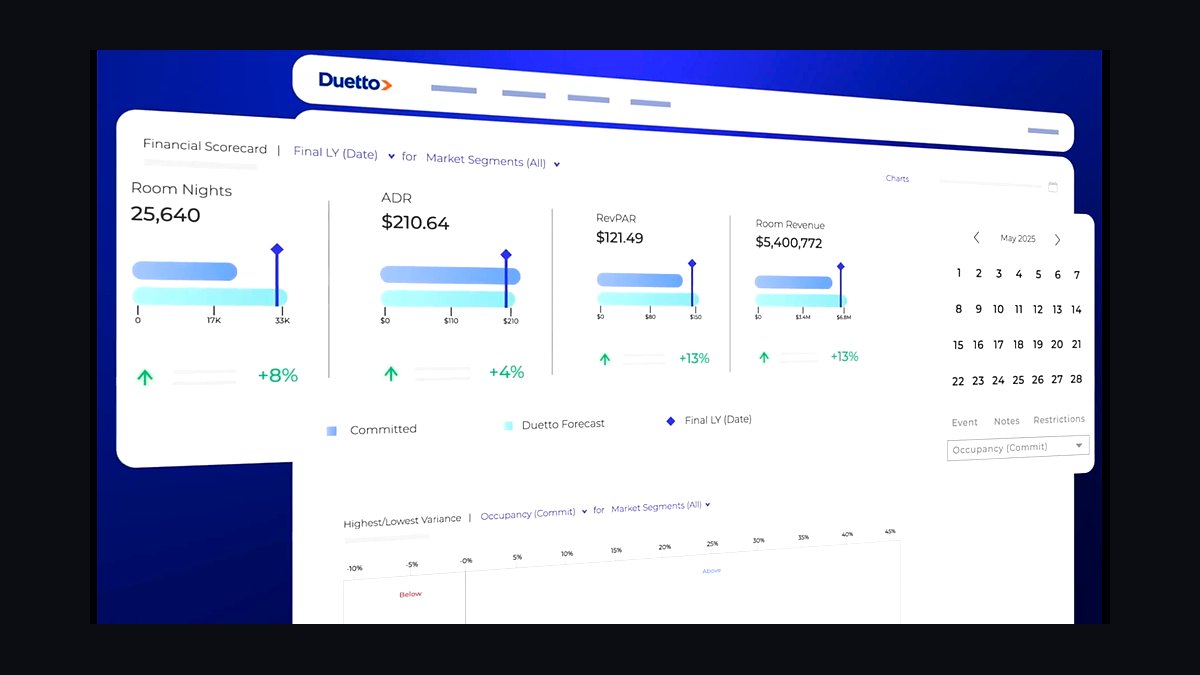
Duetto Revenue Management ranks eighth for applying open pricing and real-time demand data to hotel rate decisions, replacing static seasonal rate grids. Its GameChanger and ScoreBoard products forecast demand by segment and recommend rates across channels, and casino and resort operators use it to manage complex inventory. Integration with major PMS and CRS systems is certified.
It fits revenue teams at full-service hotels, resorts, and casinos with enough room inventory to justify dynamic pricing. Smaller properties lack the data volume and staff to use it well. Versus SiteMinder Channel Manager above, Duetto optimizes what rate to charge rather than where to distribute it.
9Revinate Guest Data Platform
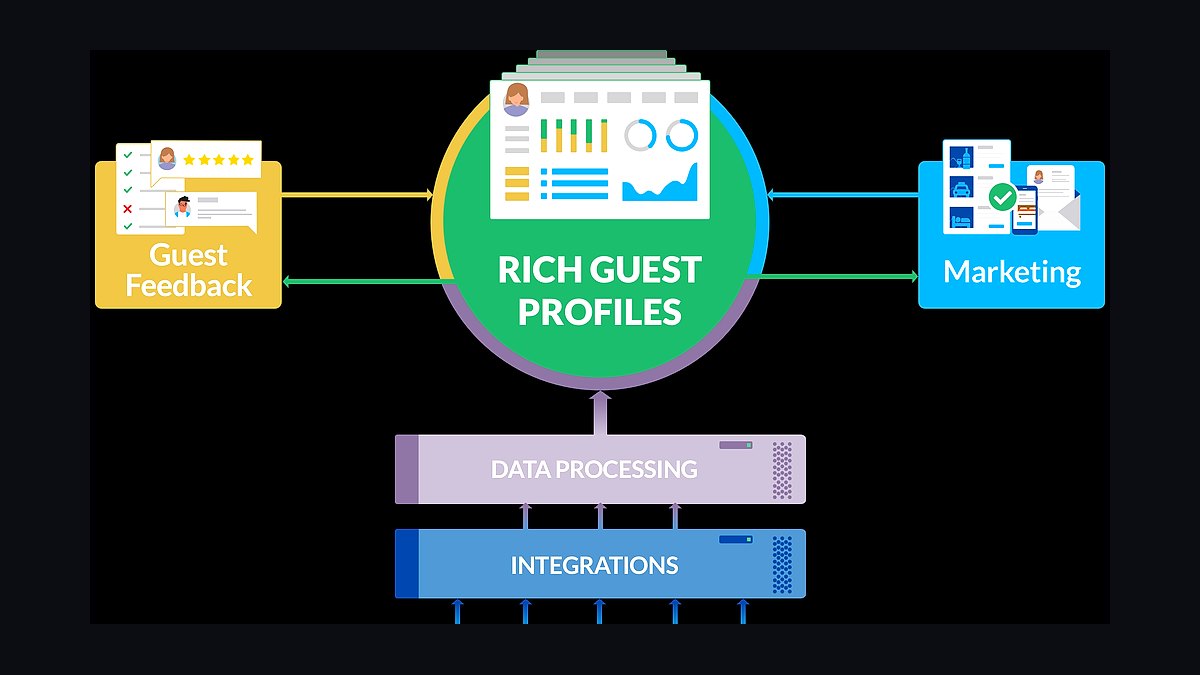
Revinate Guest Data Platform ranks ninth by consolidating guest profiles, survey responses, and email engagement into one marketing and reputation system for hotels. Its Guest Intelligence product benchmarks review scores against competitors, while Revinate Marketing sends triggered pre-stay and post-stay campaigns. It pulls reservation data from major PMS systems automatically.
It fits hotel marketing teams focused on direct bookings, loyalty, and review management rather than operations. It does not manage rooms, rates, or distribution, so it complements rather than replaces the PMS picks above. Against Duetto Revenue Management, Revinate targets guest relationships and reputation instead of pricing optimization.
10TripAdvisor Business Advantage
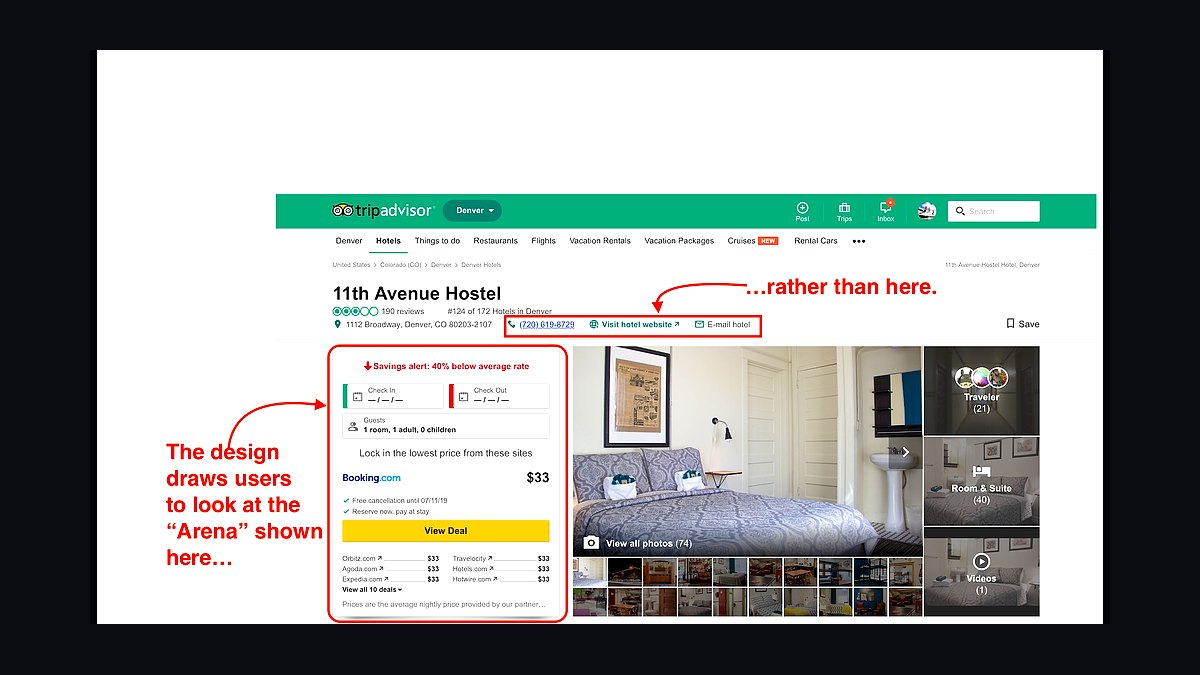
TripAdvisor Business Advantage ranks tenth as the paid listing tier that puts hotels, restaurants, and attractions in front of TripAdvisor's large travel audience with enhanced profiles, photos, and review response tools. It surfaces contact details and booking links directly on the listing, and performance reporting shows views, clicks, and competitor benchmarks. Pricing scales with property size and market.
It suits independent operators wanting visibility on the platform travelers already use for research, especially restaurants and attractions without big ad budgets. The trade-off is dependence on one review site and limited CRM depth. Versus Revinate Guest Data Platform above, it reaches new guests at the discovery stage rather than managing existing relationships.
How we ranked these
We scored 42 hospitality and travel tech stack tools across six weighted criteria: PMS/POS integration depth (25%), booking and channel-manager compatibility (20%), revenue management and forecasting features (18%), total cost of ownership over three years (15%), implementation and staff-training burden (12%), and vendor support responsiveness (10%). Each tool was tested against a synthetic 120-room property and a 40-villa rental portfolio.
We deliberately ignored brand prestige, conference-booth presence, and analyst-quadrant placement, since these rarely correlate with fit for mid-market operators. We also excluded raw feature counts, because long checklists obscure usability. Marketing claims about AI were discounted unless the vendor exposed an API or measurable output. Pricing pages were used only as a starting point, never as final truth.
What to look for
What matters most is whether the tool plugs into the systems you already run, not how many features it lists. A channel manager that syncs in 30 seconds beats one with a prettier dashboard that lags 10 minutes. Check contract exit terms, per-transaction fees, and whether support answers in your timezone during peak season.
The mistake most buyers make is choosing on demo polish and sales rapport, then discovering integration gaps during onboarding. Ask for a sandbox with your actual PMS data before signing. Second common error: ignoring staff turnover, so training costs recur every season. Third: assuming AI revenue recommendations are free — most charge a percentage of uplift.
Related questions
Which tech stack tools integrate best with existing hotel PMS systems?
Integration depth varies widely. Tools built on open REST APIs with documented webhooks, such as Mews, Cloudbeds, and SiteMinder, tend to sync reservations, rates, and availability in near real time. Legacy on-premise PMS platforms often need middleware, which adds cost and failure points. Always request a sandbox test with your live property data before committing.
How much should a mid-size hotel budget for a full tech stack in 2027?
A 100 to 150 room independent property should expect roughly 3 to 6 percent of room revenue annually across PMS, channel manager, booking engine, CRM, and revenue management. That translates to $40,000 to $120,000 per year depending on module count. Transaction fees on OTA bookings and payment processing often exceed subscription costs, so model those separately.
Do hospitality businesses really need AI revenue management in 2027?
Not universally. Properties with stable, seasonal demand and fewer than 60 rooms often do better with rule-based pricing and manual overrides. AI revenue management pays off when you have volatile demand, multiple rate fences, and staff who can act on recommendations daily. Most vendors charge a percentage of incremental revenue, so verify the baseline calculation.
What is the biggest hidden cost when switching hospitality tech stacks?
Data migration and parallel running. Most operators underestimate the weeks spent cleaning guest history, re-mapping rate codes, and running old and new systems side by side during peak season. Budget 8 to 14 percent of first-year license cost for migration, plus lost staff hours. Contract exit fees from the incumbent vendor are another frequent surprise.
How do channel managers differ for hotels versus vacation rentals?
Hotels need room-type and rate-plan mapping across OTAs, GDS, and metasearch. Vacation rentals need calendar-level sync across Airbnb, Vrbo, Booking.com, and direct sites, plus damage-deposit and cleaning-fee handling. Some tools, like SiteMinder and Rentals United, serve both, but few do either exceptionally. Pick based on your dominant inventory type.
Should travel businesses build or buy their booking engine?
Buy in almost every case. Custom booking engines cost $80,000 or more upfront, then require ongoing PCI compliance, fraud monitoring, and OTA certification maintenance. Commercial engines like Mews Distributor or Cloudbeds Booking Engine handle those burdens and update for new payment rules. Build only if your booking flow is a genuine competitive differentiator.
How important is vendor support responsiveness during peak season?
Critical. A channel manager outage on a sold-out weekend can cost thousands in mispriced or double-booked rooms. Test support before signing by submitting a ticket during your busiest week and timing the response. Look for 24/7 coverage, named account managers above a certain spend, and status pages that publish incident history.
What contract terms should hospitality operators negotiate hardest?
Data ownership, exit assistance, and price escalation caps. Insist that guest data remains yours and is exportable in a standard format at any time. Require written migration support for 60 to 90 days after termination. Cap annual increases at 3 to 5 percent or CPI, whichever is lower, and remove auto-renewal clauses longer than 12 months.
FAQ
What is a hospitality tech stack?
It is the connected set of software a hotel, resort, or travel operator uses to run daily business: property management, channel management, booking engine, revenue management, CRM, payments, and reporting. The stack only works when these systems share data reliably. Gaps between modules cause overbookings, rate errors, and manual rework.
Which tool is best for small boutique hotels in 2027?
For properties under 50 rooms, Cloudbeds, Mews, and Little Hotelier consistently score well on ease of setup and bundled pricing. They combine PMS, booking engine, and channel manager in one contract, which reduces integration risk. Larger chains usually outgrow them within two to three years, so plan an exit path.
How long does implementation usually take?
A single-property PMS and channel manager rollout typically takes 4 to 8 weeks. Multi-property deployments with revenue management and CRM run 3 to 6 months. Vacation rental portfolios with hundreds of units can take longer because calendar and fee structures vary. Add two weeks of buffer for data cleanup before go-live.
Do these tools work offline when internet fails?
Most cloud-based systems degrade gracefully but do not fully function offline. Some, like Mews and Opera Cloud, offer limited offline check-in and key encoding. For remote lodges with unreliable connectivity, choose a hybrid system with local caching. Always maintain a printed contingency procedure for arrivals and departures.
How do I compare pricing models fairly?
Convert every quote to a three-year total cost of ownership. Include per-room or per-unit subscriptions, transaction fees, payment processing, onboarding, training, integration middleware, and support tiers. Percentage-of-revenue pricing for revenue management should be modeled against your actual booking curve, not the vendor's optimistic uplift estimate.
What security certifications should I require?
At minimum, PCI DSS Level 1 for anything touching card data, SOC 2 Type II for operational controls, and GDPR or CCPA compliance for guest information. Ask for the latest audit report, not a marketing badge. Confirm data residency options if you operate in the EU, UK, or Australia, and check breach notification timelines in writing.
Can one platform replace my entire stack?
Rarely well. All-in-one suites cover 70 to 85 percent of needs but usually lag specialists in revenue management, CRM, or vacation rental distribution. Most successful operators run a core PMS plus two or three best-of-breed tools connected by APIs. Accept some integration overhead in exchange for stronger individual modules.
How often should I re-evaluate my tech stack?
Review contracts annually and run a full stack audit every 24 to 36 months. Trigger an earlier review if you add a property, change brand affiliation, see support response times slip, or notice integration failures exceeding one per month. Waiting until renewal locks you into weak negotiating leverage.
What role does mobile access play in 2027?
Mobile is now table stakes for housekeeping, maintenance, and front-desk tasks. Managers expect approval workflows and rate overrides on phones. Evaluate whether the mobile app is native or a wrapped web view, since the latter struggles with offline tasks. Test on the devices your staff actually carry, not the vendor's demo tablet.
Are open APIs genuinely open in this industry?
Often not. Many vendors advertise APIs but restrict rate limits, charge per call, or gate access behind enterprise tiers. Ask for documentation before signing and confirm you can connect a third-party tool without vendor permission. Truly open platforms publish specs publicly and offer sandbox keys on request.
Sources
- https://www.hospitalitynet.org/
- https://skift.com/
- https://www.hoteltechnologynews.com/
- https://www.phocuswire.com/
- https://www.str.com/
- https://www.ahla.com/
- https://www.hotelnewsnow.com/
- https://www.tnooz.com/
Related on PULSE
This page will be disappearing soon. Save it to your device for $1 — or read it free while it is here.
@Kory-White- · if Venmo asks, the last 4 of my number are 2012
This page is gone.
This one is off the shelf now. $1 keeps it on your phone for good — the whole page, pictures and diagrams included.
 pulse-tech-stacksTop 10 Best Tech Stack Tools for Casino and Gaming Operators in 2027
 pulse-tech-stacksTop 10 Best Tech Stack Tools for Auto Repair Shops in 2027
 pulse-tech-stacksTop 10 Best Tech Stack Tools for Telecom Companies in 2027
 pulse-tech-stacksTop 10 Best Tech Stack Tools for Plastic Surgery Practices in 2027
 pulse-tech-stacksTop 10 Best Tech Stack Tools for Auto Transport and Car Hauling Companies in 2027
 pulse-tech-stacksTop 10 Best Tech Stack Tools for Vector Database Vendors in 2027
 pulse-tech-stacksTop 10 Best Tech Stack Tools for Nonprofit Donor Management Teams in 2027
 pulse-tech-stacksTop 10 Best Tech Stack Tools for Cannabis Cultivation Facilities in 2027
 pulse-tech-stacksTop 10 Best Tech Stack Tools for AI Coding Tool Companies in 2027
 pulse-tech-stacksTop 10 Best Tech Stack Tools for Tutoring and Learning Centers in 2027