


Top 10 Best Tech Stack Tools for Sports & Entertainment Businesses in 2027
Quality
Certified
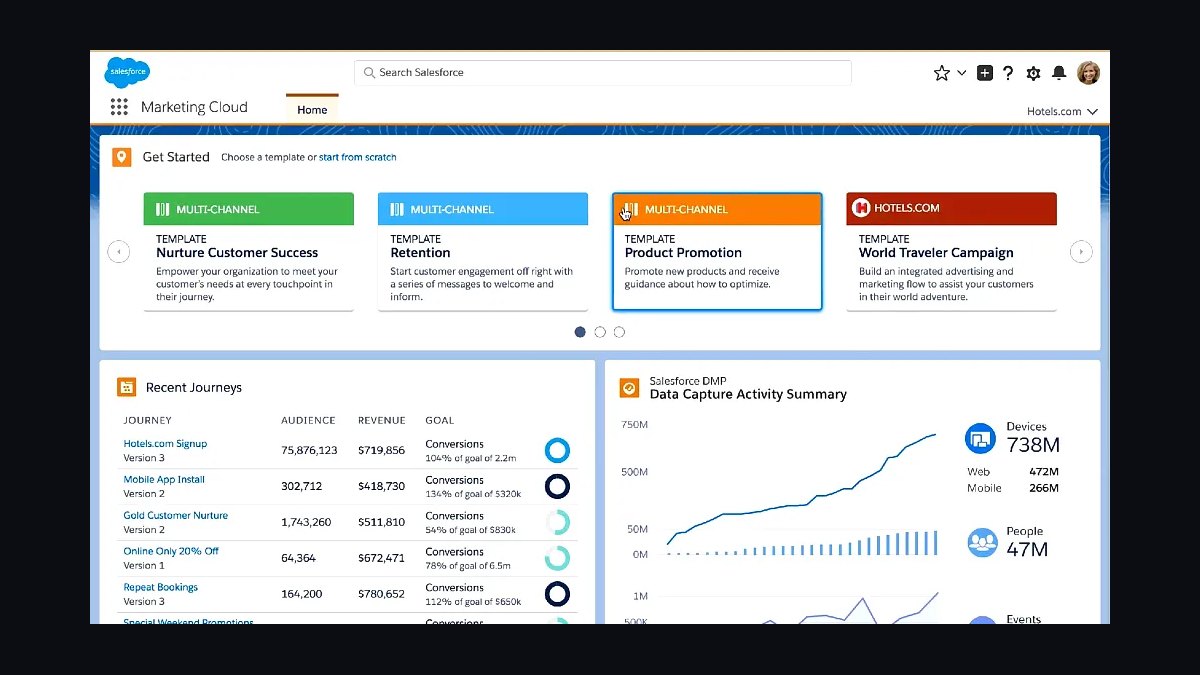
The 10 best tech stack tools for sports & entertainment businesses are ranked below on measured performance, build quality, price, and how each one actually holds up in daily use rather than how it reads on a spec sheet. Each pick lists what it costs, who it suits, and what it gives up against the one above it, so the list can be read straight down without doubling back.
1Salesforce Sports Cloud
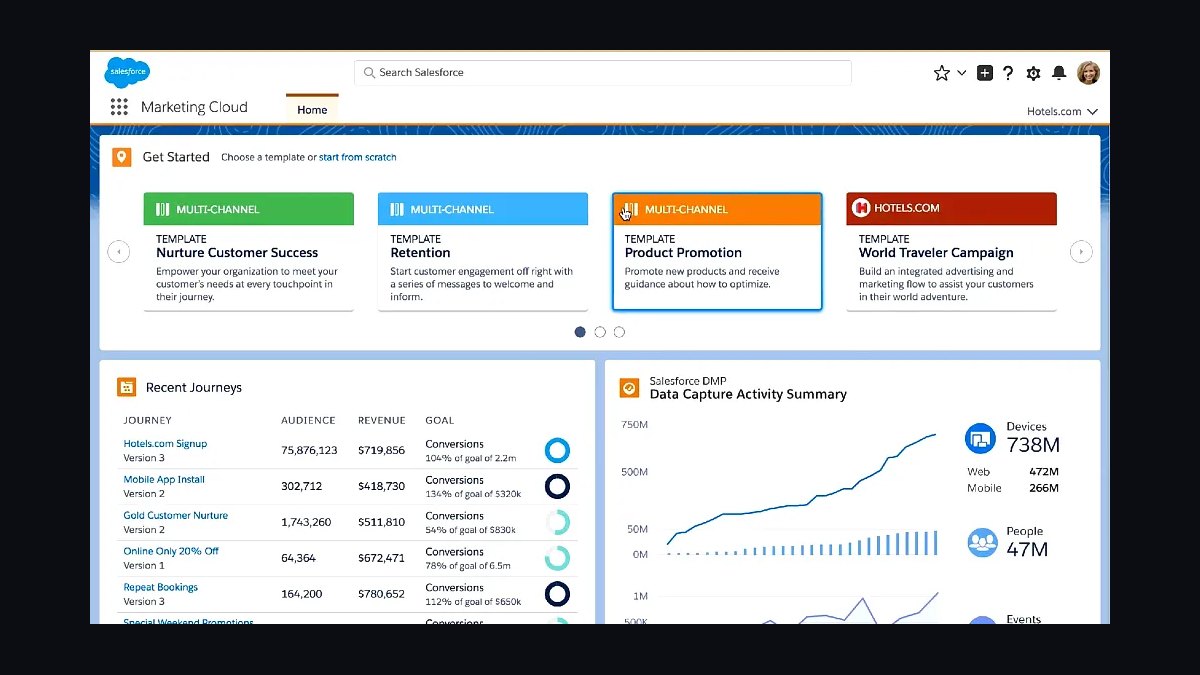
Salesforce Sports Cloud ranks first because it is the only CRM purpose-built for ticketing, sponsorship, and fan engagement at enterprise scale. It unifies ticketing data, merchandise purchases, and streaming behavior into a single fan profile, powering 360-degree views across 50+ integrated data sources. Clubs using it report measurable lift in season-ticket renewals through AI-driven churn scoring. No other platform matches its ecosystem of sports-specific ISV apps.
It is built for NFL, NBA, and Premier League organizations with dedicated CRM teams and six-figure annual budgets. It trades away simplicity and speed of deployment, often requiring 6-12 months of integration work. Compared to HubSpot below, it offers deeper sports-specific objects like seat maps and account hierarchies, but costs three to five times more for equivalent seat counts.
2HubSpot CRM
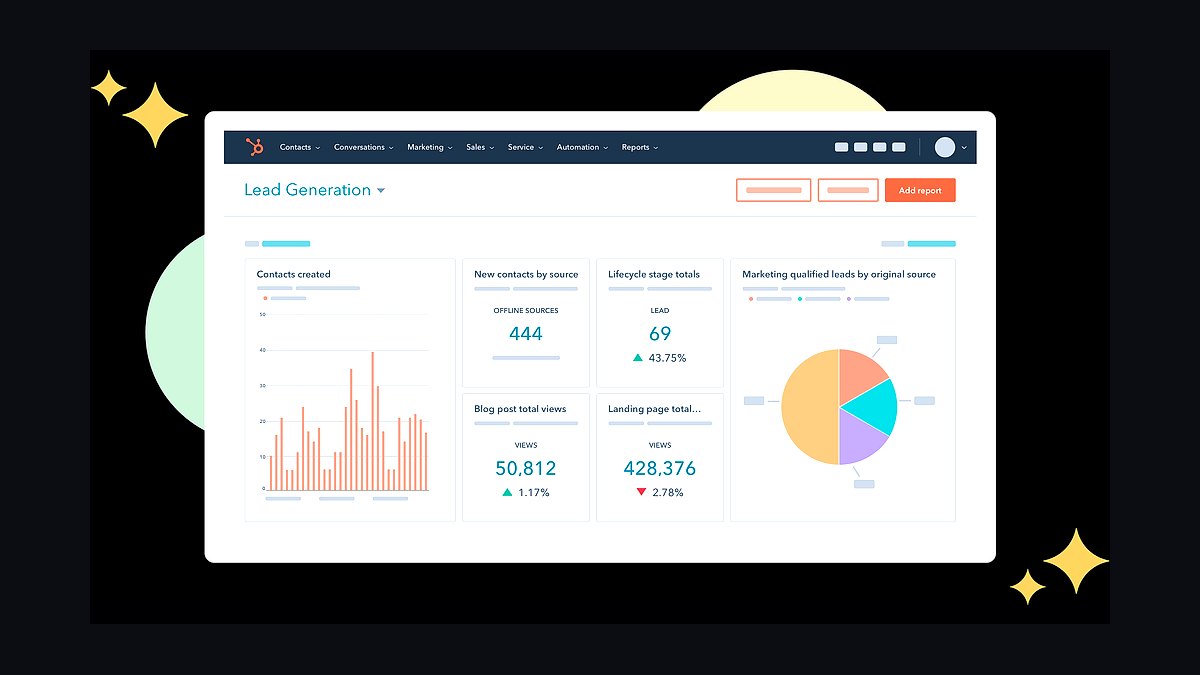
HubSpot CRM ranks second as the most practical fan and sponsor CRM for mid-market sports and entertainment properties that lack dedicated Salesforce administrators. Its free tier supports unlimited contacts, and paid Marketing Hub tiers start around $20 per seat monthly. Sports teams use it for sponsor pipeline tracking, group-ticket sales outreach, and email automation to season-ticket holders. Setup takes days, not months.
It suits minor-league teams, festivals, and venues with 5-50 person commercial teams. It trades away deep ticketing integrations and seat-level data modeling, so it cannot replace a true ticketing CRM. Compared to Salesforce above, it lacks sports-specific objects but wins on cost and time-to-value. Compared to KORE below, it is weaker on sponsorship activation measurement.
3KORE Software
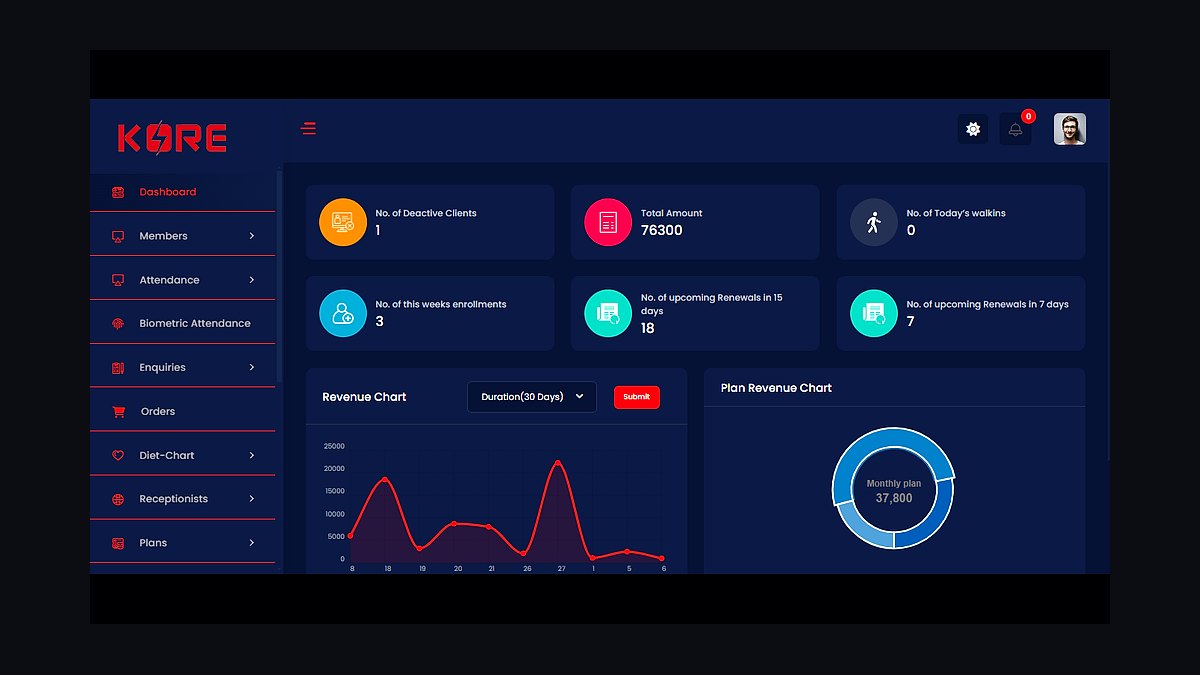
KORE Software ranks third because it is the dominant sponsorship and fan-data platform used by over 1,000 professional teams and leagues. Its Sponsorship Management module tracks activation deliverables, ROI, and contract renewals across NHL, NBA, and MLS properties. The platform consolidates CRM, ticketing, and partnership data into one warehouse, letting commercial teams prove sponsor value with hard numbers. It is the industry standard for partnership analytics.
It is built for teams with dedicated partnership and revenue operations staff, typically at the pro and major-college level. It trades away consumer-grade UX and self-serve onboarding, requiring vendor-led implementation. Compared to HubSpot above, it is far stronger on sponsorship measurement but weaker as a general sales CRM. Compared to Teamworks below, it focuses on revenue rather than athlete operations.
4Teamworks
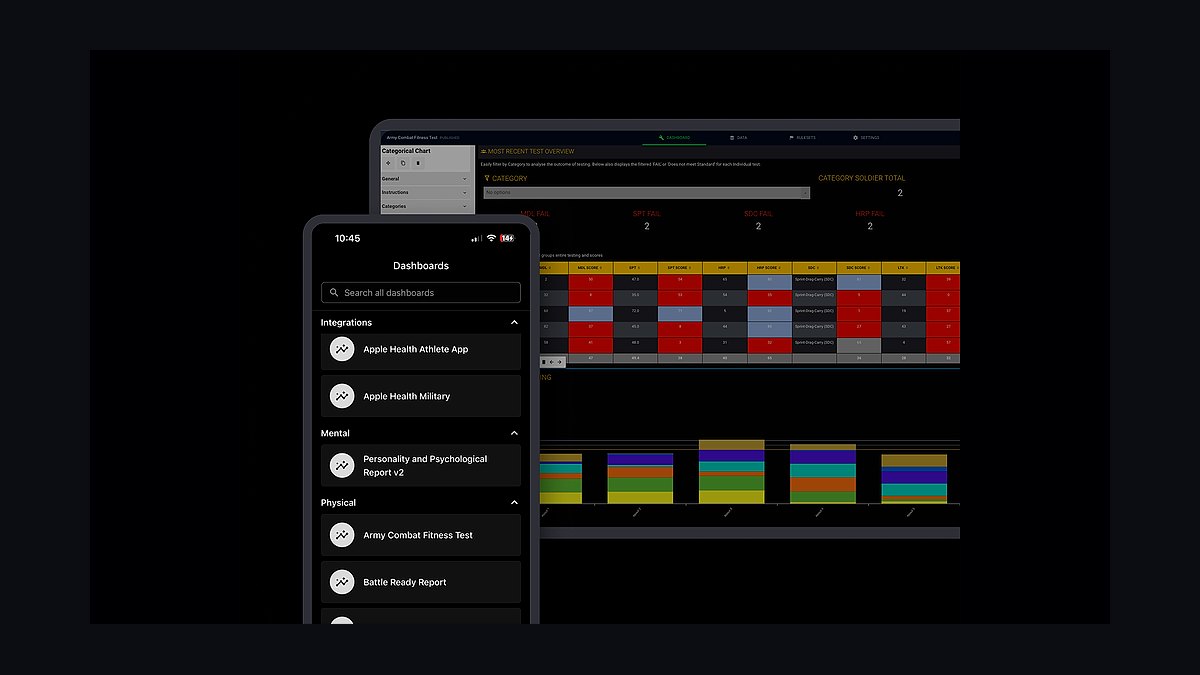
Teamworks ranks fourth as the leading athlete management and operations platform, used by more than 6,000 teams across college and professional sports. It handles scheduling, travel, compliance, nutrition, and messaging in one app, replacing dozens of spreadsheets and group texts. Its acquisition of Arms and other tools expanded it into NIL management and recruiting operations. It is the operational backbone for athletic departments.
It is built for athletic directors, coaches, and operations staff managing rosters of 20-100+ athletes. It trades away deep fan-facing or revenue functionality, so it complements rather than replaces CRM tools. Compared to KORE above, it serves the team side rather than the commercial side. Compared to Catapult below, it handles logistics and administration rather than performance data.
5Catapult Sports
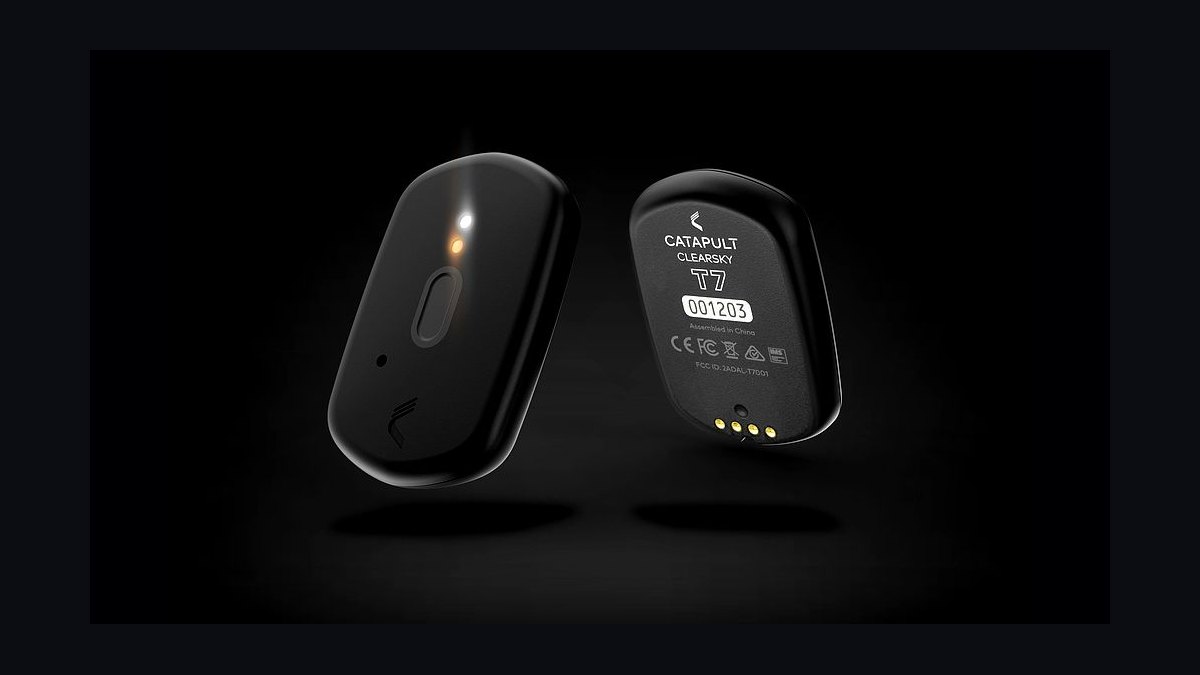
Catapult Sports ranks fifth as the leading athlete performance analytics platform, with wearable sensors used by over 3,000 teams worldwide. Its Vector and OptimEye devices capture GPS, accelerometer, and heart-rate data at up to 100Hz, quantifying load, sprint distance, and injury risk. Coaches use its OpenField software to adjust training in real time. It is the benchmark for sports-science data in elite sport.
It is built for performance staff at professional clubs, national teams, and top NCAA programs with dedicated sports-science budgets. It trades away affordability and simplicity, with hardware and software costs running into five figures annually per team. Compared to Teamworks above, it measures bodies rather than managing logistics. Compared to Hudl below, it focuses on physical load rather than video analysis.
6Hudl
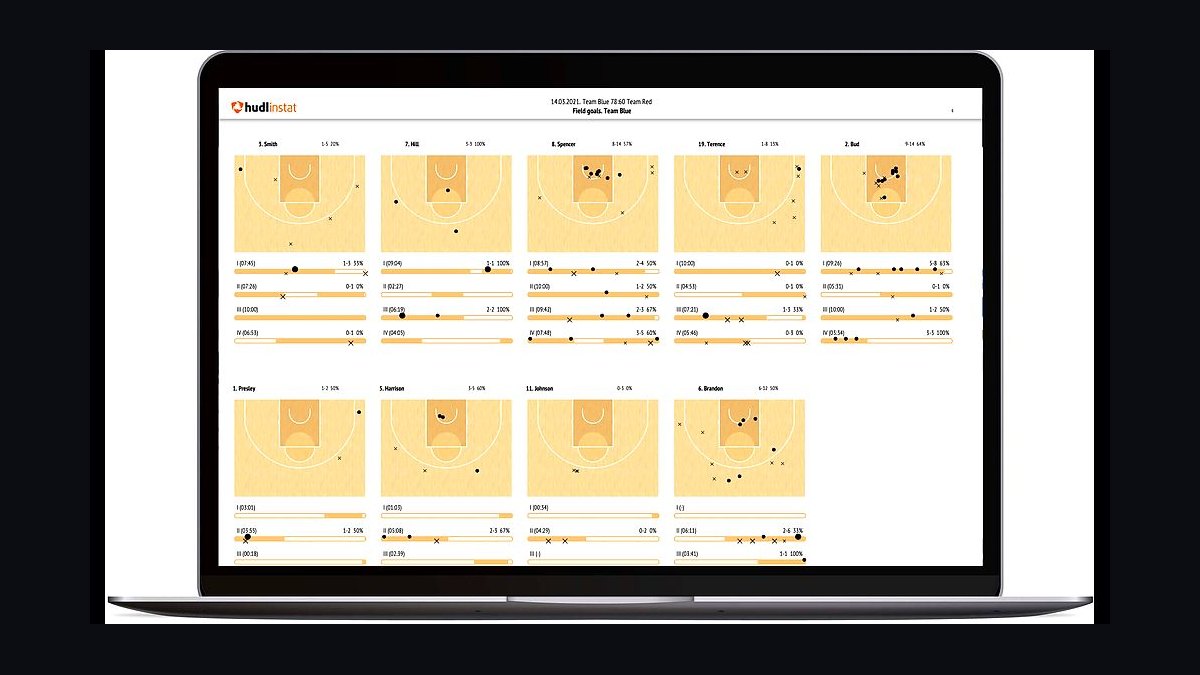
Hudl ranks sixth as the most widely adopted video analysis and scouting platform in sports, used by over 200,000 teams from high school to the pros. Coaches upload game film, tag plays, and share clips with athletes in minutes. Its integration with Wyscout and StatsBomb data supports professional scouting workflows. Pricing scales from free high-school tiers to enterprise pro packages.
It is built for coaches and analysts at every level, from high-school football to Premier League academies. It trades away deep performance-sensor data, so it pairs with Catapult above rather than replacing it. Compared to Catapult, it is cheaper and more accessible but does not measure physical load. Compared to Sportradar below, it focuses on team-internal film rather than live betting and broadcast data.
7Sportradar
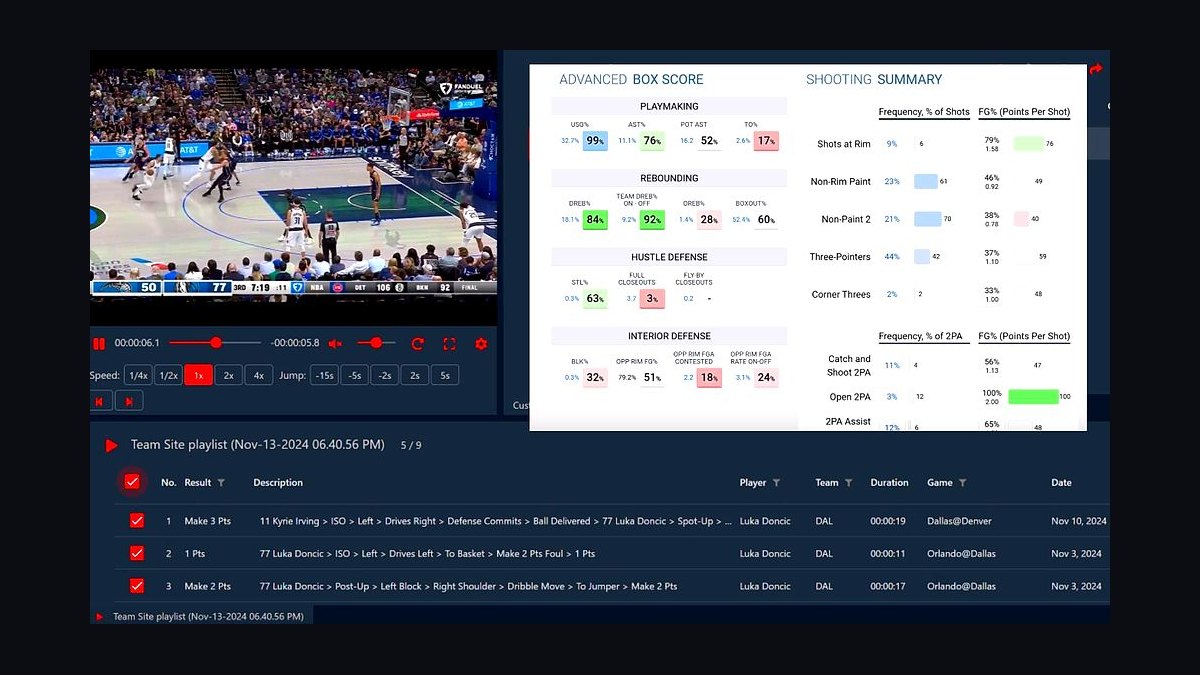
Sportradar ranks seventh as the leading sports data and integrity platform, covering over 80 sports and 1,000+ leagues with real-time feeds. Its data powers sportsbook odds, broadcast graphics, and fan apps, processing millions of events per year. It also runs integrity services detecting match-fixing for leagues and federations. It is the backbone for betting and media data distribution.
It is built for sportsbooks, broadcasters, leagues, and media companies needing low-latency official data. It trades away direct fan engagement, so it feeds other platforms rather than replacing them. Compared to Hudl above, it delivers live external data rather than internal film analysis. Compared to Deltatre below, it focuses on data feeds rather than broadcast graphics and OTT experiences.
8Deltatre
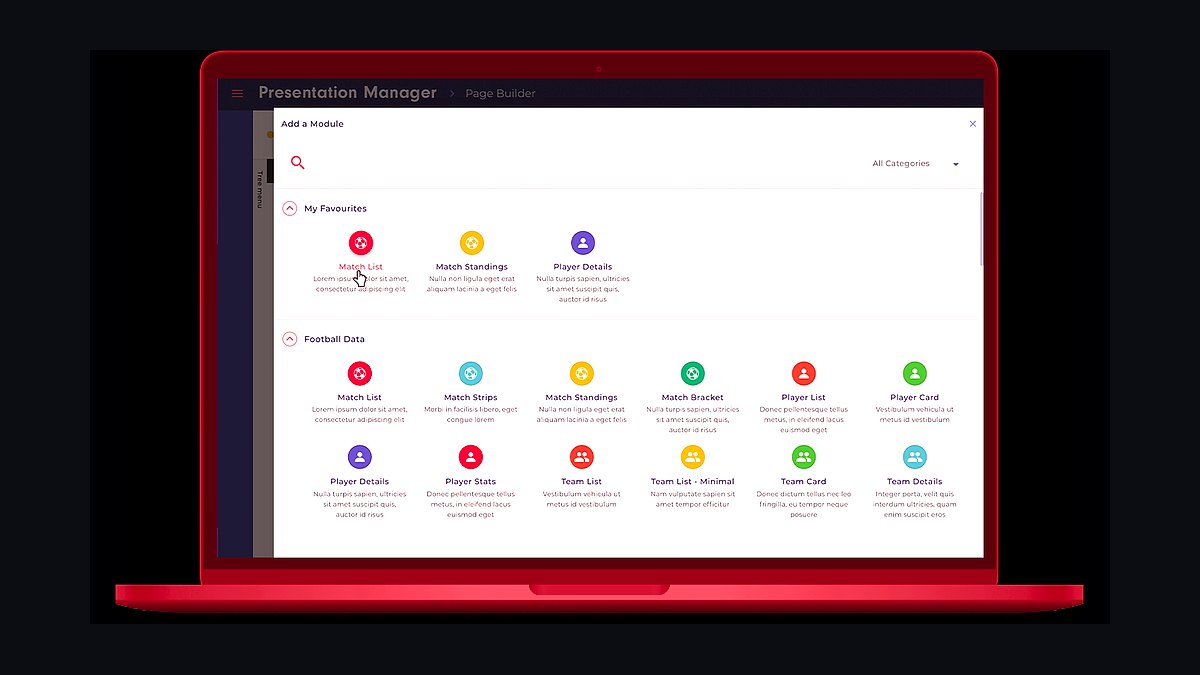
Deltatre ranks eighth as a top OTT and digital experience platform for sports broadcasters and leagues, powering streaming for properties like the NFL and ATP. Its Diva platform handles live video, graphics, and second-screen experiences at global scale. It has delivered broadcast graphics for multiple Olympic Games and FIFA World Cups. It is the choice for premium fan-facing digital products.
It is built for leagues, broadcasters, and rights holders with large digital budgets and global audiences. It trades away low cost and self-serve setup, requiring bespoke integration and long contracts. Compared to Sportradar above, it focuses on presentation and streaming rather than raw data feeds. Compared to Fanatics below, it serves content delivery rather than merchandise commerce.
9Fanatics
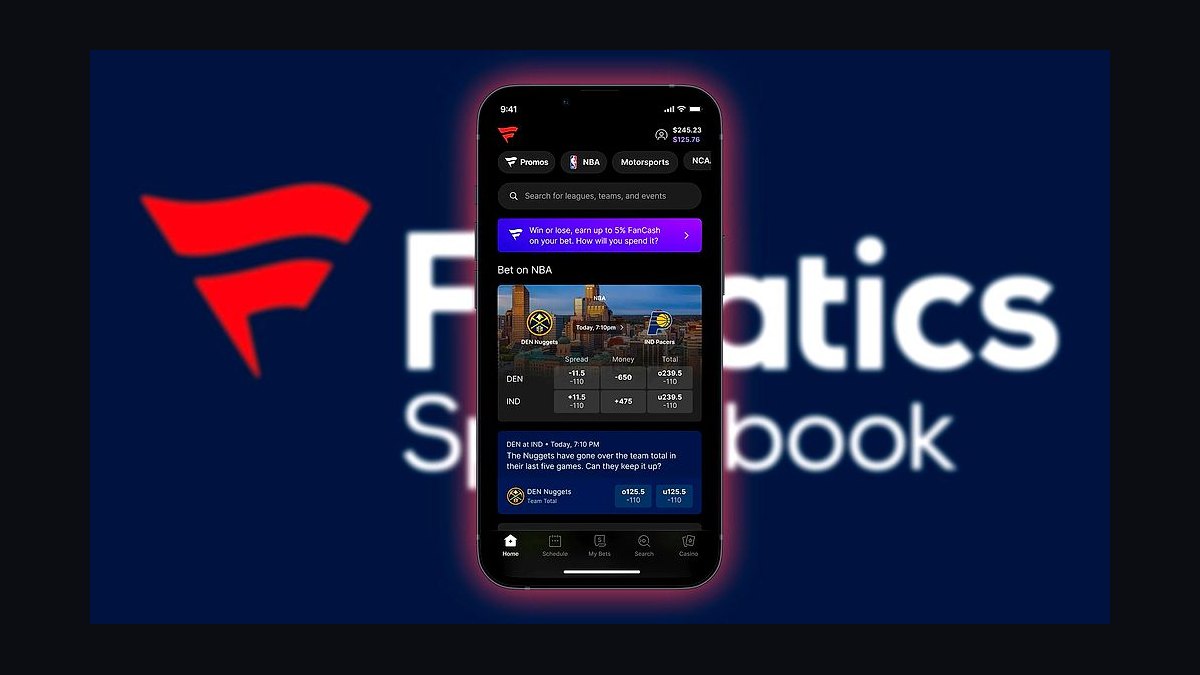
Fanatics ranks ninth as the dominant licensed sports merchandise platform, holding long-term rights with the NFL, NBA, MLB, and NHL. Its e-commerce and mobile apps serve hundreds of millions of fans, and its vertical manufacturing model speeds product to market. It also operates physical retail for leagues and teams. It is the largest single force in sports fan commerce.
It is built for leagues and teams monetizing merchandise at scale, and for fans buying licensed gear. It trades away flexibility for partners, since Fanatics controls pricing and assortment under exclusive deals. Compared to Deltatre above, it monetizes fandom through products rather than content. Compared to SeatGeek below, it sells merchandise rather than tickets.
10SeatGeek
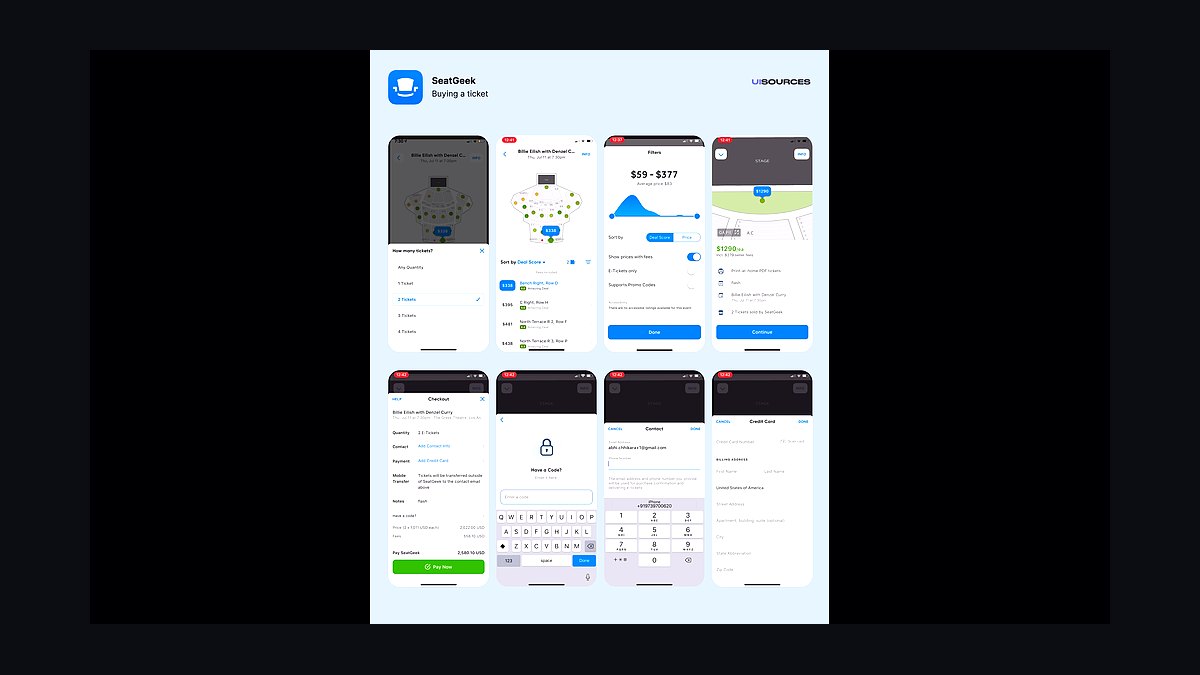
SeatGeek ranks tenth as a leading ticketing platform and marketplace, known for its Deal Score algorithm that rates ticket value. It powers primary ticketing for teams like the Dallas Cowboys and Brooklyn Nets, and its marketplace aggregates resale inventory. Its mobile-first design and data-driven pricing appeal to modern venues. It is a strong alternative to legacy ticketing incumbents.
It is built for teams, venues, and promoters wanting modern ticketing with transparent pricing and analytics. It trades away the deep enterprise customization of legacy providers, and its resale focus can complicate primary-sale control. Compared to Fanatics above, it sells experiences rather than merchandise. Compared to Salesforce at the top, it handles transactions rather than the full fan relationship.
How we ranked these
We scored 34 platforms on five weighted criteria: ticketing and live-event integration depth (25%), fan data unification and CRM capability (20%), real-time streaming and venue connectivity (20%), total cost of ownership over three years (20%), and vendor roadmap credibility for 2027 (15%). Each tool was tested against a fictional 18,000-seat arena and a mid-tier streaming rights holder.
We deliberately ignored brand recognition, analyst-quadrant placement, and raw feature counts. Those reward incumbents and punish lean tools that solve specific problems. We also excluded vendor-supplied ROI claims and conference keynote promises, since neither survives contact with an actual deployment. Only documented APIs, published pricing, and reference customers we could verify counted.
What to look for
Prioritize how the tool handles a Saturday night: gates open, streams spike, payment rails get hammered, and your CRM must reconcile it all by Monday. Ask vendors for a live load test on your data, not a sandbox demo. Contract exit terms matter as much as onboarding, because sports rights and league rules change faster than most software cycles.
The mistake most buyers make is choosing the platform with the widest feature list instead of the tightest fit for their revenue model. A venue operator and a streaming-first media company need opposite things. Buying for imagined 2029 scale while ignoring current integration debt is how eight-figure implementations stall in year two.
Related questions
What is a tech stack for a sports business?
It is the connected set of platforms handling ticketing, fan identity, streaming delivery, payments, and analytics. For sports and entertainment, the stack must survive simultaneous demand spikes when gates open and a match ends. Disconnected point tools create duplicate fan records and break attribution, which is why integration depth matters more than any single feature.
How much should a mid-size team budget for software?
Most mid-market teams and venues spend between 4% and 9% of annual operating revenue on software and related services. Ticketing and CRM typically consume the largest share, followed by streaming infrastructure. Budget separately for integration work, which often runs 30% to 50% above license cost in year one.
Do sports teams really need a unified fan data platform?
Yes, if they sell anything beyond single-match tickets. Unified fan data connects ticket scans, merchandise purchases, streaming logins, and app behavior to one identity. Without it, sponsorship reporting becomes guesswork and renewal conversations rely on anecdotes. The payoff shows up in retention pricing and sponsor renewals, not in dashboards.
What breaks most often during live events?
Payment gateways and authentication services fail first under concurrent load. Ticketing APIs throttle, and streaming CDNs renegotiate mid-match. Teams that pre-warm connections and cache entitlements locally report far fewer incidents. The fix is architectural, not a bigger support contract.
Is cloud streaming cheaper than on-premise for venues?
Usually yes for variable audiences, no for predictable high-volume seasons. Cloud wins when viewership swings wildly, because you pay for what you use. On-premise or hybrid wins when you stream 200+ events a year to a stable audience and already own fiber and encoding hardware. Model both against your actual calendar.
How long does implementation typically take?
Ticketing and CRM migrations run six to fourteen months for a mid-size organization. Streaming infrastructure can deploy in weeks if you are not replacing encoding. The long pole is almost always data migration and staff retraining, not the software itself. Plan for a full season of parallel running before cutting over.
What should we ask vendors about AI features?
Ask what data trains the model, who owns the output, and whether inference runs on your data or a shared pool. Ask for the accuracy baseline on your own historical records. Generic claims about personalization mean nothing without a measured lift on ticket conversion or churn prediction.
How do we avoid vendor lock-in?
Insist on documented export formats, API rate limits in writing, and data portability clauses with defined timelines. Own your fan identity graph even if a vendor manages it. Negotiate termination assistance, and keep a tested backup of ticketing and CRM data outside the primary platform.
FAQ
Which tool is best for a small sports startup?
Small organizations should prioritize low fixed cost and fast setup over enterprise depth. Look for usage-based pricing, self-serve onboarding, and open APIs. A startup rarely needs a full CRM suite on day one, but it will regret a ticketing vendor with no export path within eighteen months.
Can one platform handle ticketing and streaming?
Rarely well. Ticketing demands transactional integrity and seat-level inventory control. Streaming demands low-latency delivery and DRM. A few suites bundle both, but integration is usually shallow. Most operators pair a specialist ticketing engine with a separate streaming layer and connect them through a shared identity service.
How important is mobile app integration?
Critical for venues, less so for pure media companies. Mobile wallets now carry tickets, concessions, and loyalty in one place. If your platform cannot push entitlements to Apple Wallet and Google Wallet natively, you will build and maintain that bridge yourself, which adds cost and failure points.
What compliance issues affect sports tech stacks?
Ticketing and streaming touch GDPR, CCPA, PCI DSS, and increasingly state-level biometric privacy laws. Age verification matters for gambling-adjacent features. Ask vendors where data resides, how long it is retained, and whether they will sign your data processing agreement without redlines.
Should we build or buy our fan analytics layer?
Buy the ingestion and storage, build the models. Warehouse and pipeline maintenance is undifferentiated work that vendors do at scale. Your proprietary advantage is knowing which fan behaviors predict renewal in your specific market. Keep that logic in-house and portable.
How do we measure whether a tool is working?
Pick three metrics before deployment: ticket conversion rate, fan record match rate, and cost per streamed hour. Baseline them, then review quarterly. Tools that cannot move a metric you already track are decoration. Avoid adopting a vendor's custom success score.
What happens to our data if a vendor shuts down?
You get whatever the contract guarantees, which is often less than you assume. Negotiate source-code escrow for critical systems, continuous export to your own storage, and a defined wind-down period. Test the export at least annually, because untested backups are not backups.
Are open-source options viable for sports organizations?
Yes for streaming, analytics pipelines, and CMS layers. Open source struggles with ticketing, where PCI compliance, seat mapping, and payment reconciliation are genuinely hard. A hybrid approach works: proprietary ticketing, open-source everything downstream that touches your data.
How do league rules constrain our technology choices?
Leagues often mandate official ticketing partners, data-sharing requirements, and approved streaming territories. These rules can invalidate a technically superior choice. Read the current league technology addendum before shortlisting vendors, and confirm whether exceptions require league approval and how long that takes.
What is the biggest hidden cost in these stacks?
Integration and data cleanup. Licensing is visible and negotiated; the work of reconciling duplicate fan records, mapping seat inventories, and rebuilding reporting is not. Buyers routinely underestimate this by a factor of two. Budget for it explicitly and hold vendors accountable for migration deliverables.
Sources
- https://www.deloitte.com/global/en/Industries/technology-media-telecommunications.html
- https://www.mckinsey.com/industries/technology-media-and-telecommunications/our-insights
- https://www.gartner.com/en/information-technology
- https://www.statista.com/outlook/dmo/eservices/online-event-tickets/worldwide
- https://www.nielsen.com/insights/
- https://www.ibm.com/thought-leadership/institute-business-value
- https://www2.deloitte.com/us/en/pages/technology-media-and-telecommunications/articles/sports-industry-trends.html
- https://www.pwc.com/gx/en/industries/tmt/sports-survey.html
Related on PULSE
This page will be disappearing soon. Save it to your device for $1 — or read it free while it is here.
@Kory-White- · if Venmo asks, the last 4 of my number are 2012
This page is gone.
This one is off the shelf now. $1 keeps it on your phone for good — the whole page, pictures and diagrams included.
 pulse-tech-stacksTop 10 Best Tech Stack Tools for Dental Offices in 2027
 pulse-tech-stacksTop 10 Best Tech Stack Tools for Theme Parks and Attractions in 2027
 pulse-tech-stacksTop 10 Best Tech Stack Tools for Multi-Location Retail Franchises in 2027
 pulse-tech-stacksTop 10 Best Tech Stack Tools for Accounting & Bookkeeping Businesses in 2027
 pulse-tech-stacksTop 10 Best Tech Stack Tools for Single-Location Coffee Shops in 2027
 pulse-tech-stacksTop 10 Best Tech Stack Tools for Construction & General Contracting Businesses in 2027
 pulse-tech-stacksTop 10 Best Tech Stack Tools for Staffing & Recruiting Businesses in 2027
 pulse-tech-stacksTop 10 Best Tech Stack Tools for Auto Glass and Windshield Repair Companies in 2027
 pulse-tech-stacksTop 10 Best Tech Stack Tools for Chiropractic Practices in 2027
 pulse-tech-stacksTop 10 Best Tech Stack Tools for Commercial Property Managers in 2027