


Should I open or buy a D1 Training franchise in 2027?
Quality
Certified
Yes — open or buy a D1 Training franchise in 2027 if you can fund $481K-$933K all-in (D1's 2026 FDD Item 7), you have 12-18 months of runway to clear the $1,950-$2,950/month minimum royalty ramp, and you can recruit a head-coach-quality operator (former college/pro athlete or strength coach) inside the first 60 days. System-average gross revenue is $679,601 per facility with at least one full year open (2026 Item 19), top quartile clears $1.55M, and disciplined operators run 15-22% EBITDA margins ($102K-$149K Year-2 owner cash flow at average). Probably not — unless you have $200K+ liquid post-close, a 5,000-sf retail box pre-identified, and a youth-sports-dense trade area (1,200+ youth athletes within 5 miles). Breakeven typically lands at month 14-20; full cash-on-cash payback is 4-6 years on a 70/30 SBA-financed deal.
The Real Numbers
D1 Training's 2026 Franchise Disclosure Document (issued March 2026, effective through April 2027) is the source of record. The brand is based in Nashville, founded by former NFL fullback Will Bartholomew in 2001, began franchising in 2016, and ended 2025 with 127 franchised units + 2 corporate units = 129 total. Below is the all-in 2027 build budget a prospective operator should underwrite.
| Line Item | Low | High | 2027 Notes |
|---|---|---|---|
| Initial Franchise Fee (Item 5) | $59,500 | $59,500 | Single-unit; multi-unit deals discount fee #2+ |
| Real Estate / Lease Deposits | $12,000 | $48,000 | 4,500-6,000 sf retail/flex box |
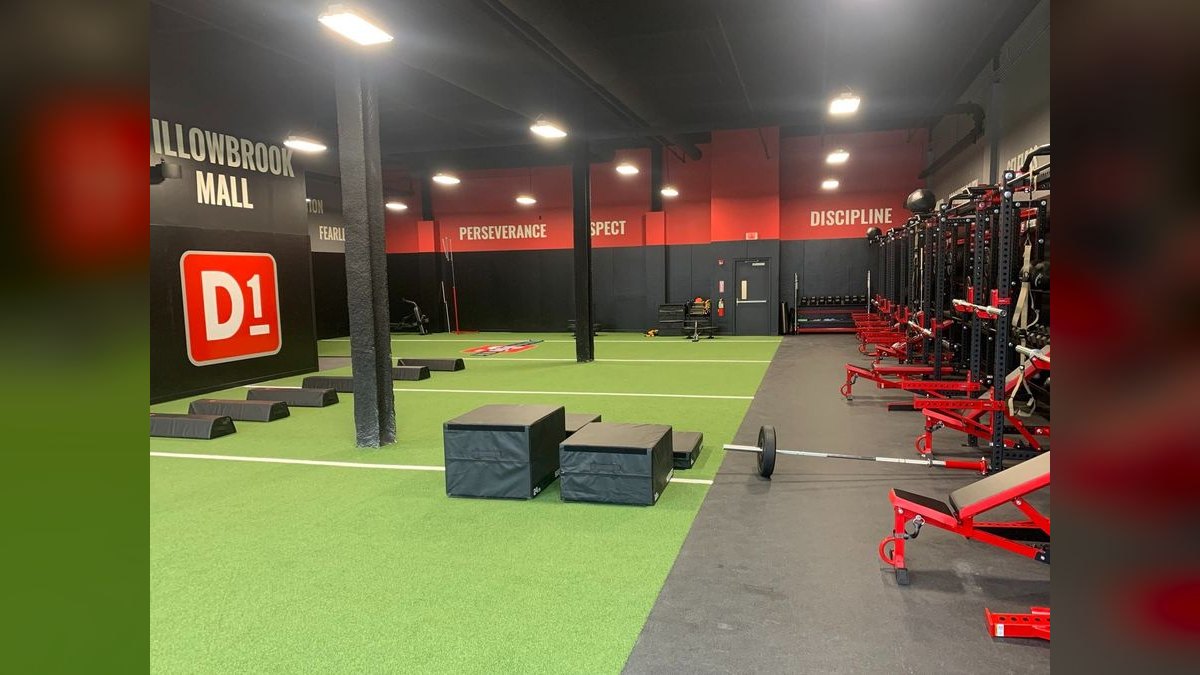
| Leasehold Build-Out | $180,000 | $375,000 | Turf, rubber, branding, HVAC for high-output training |
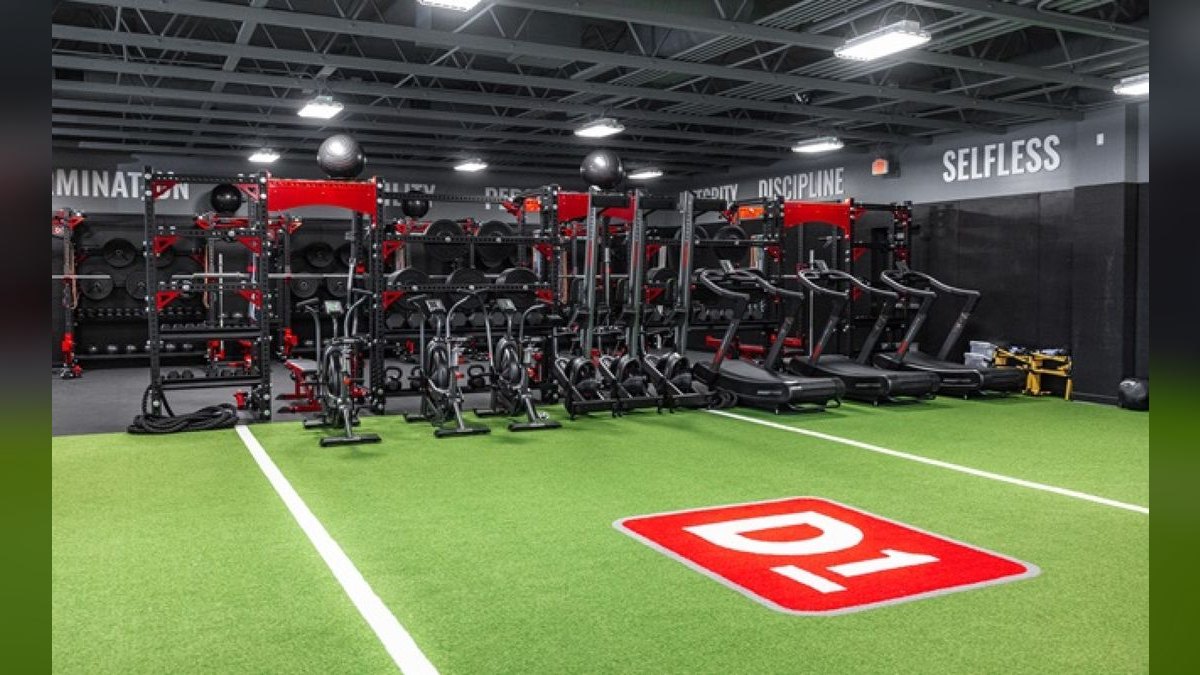
| Equipment & Technology | $95,000 | $165,000 | Racks, sleds, plyo, D1 Heart Rate system, A/V |
| Signage & Branding | $18,000 | $45,000 | Exterior, interior, vehicle wrap |
| Initial Training & Travel | $8,500 | $15,000 | Mandatory Nashville HQ certification |
| Grand Opening Marketing | $25,000 | $35,000 | 90-day pre-sell + launch blitz |
| Working Capital (3 mo) | $75,000 | $150,000 | Payroll-heavy model (5-9 W-2 coaches) |
| Insurance, Licenses, Pro Services | $2,343 | $13,479 | LLC, GL, workers' comp, attorney |
| TOTAL INVESTMENT (Item 7) | $474,843 | $906,979 | 2026 FDD; brokers quote $481K-$933K with closing costs |
| Royalty (Item 6) | 7% of gross | 7% of gross | Or minimum: $1,950/mo Yr1 → $2,450 Yr2 → $2,950 Yr3+ |
| Brand Fund / Local Marketing | 2% + $100/day local | 2% + $100/day local | ~$3,000/mo combined floor |
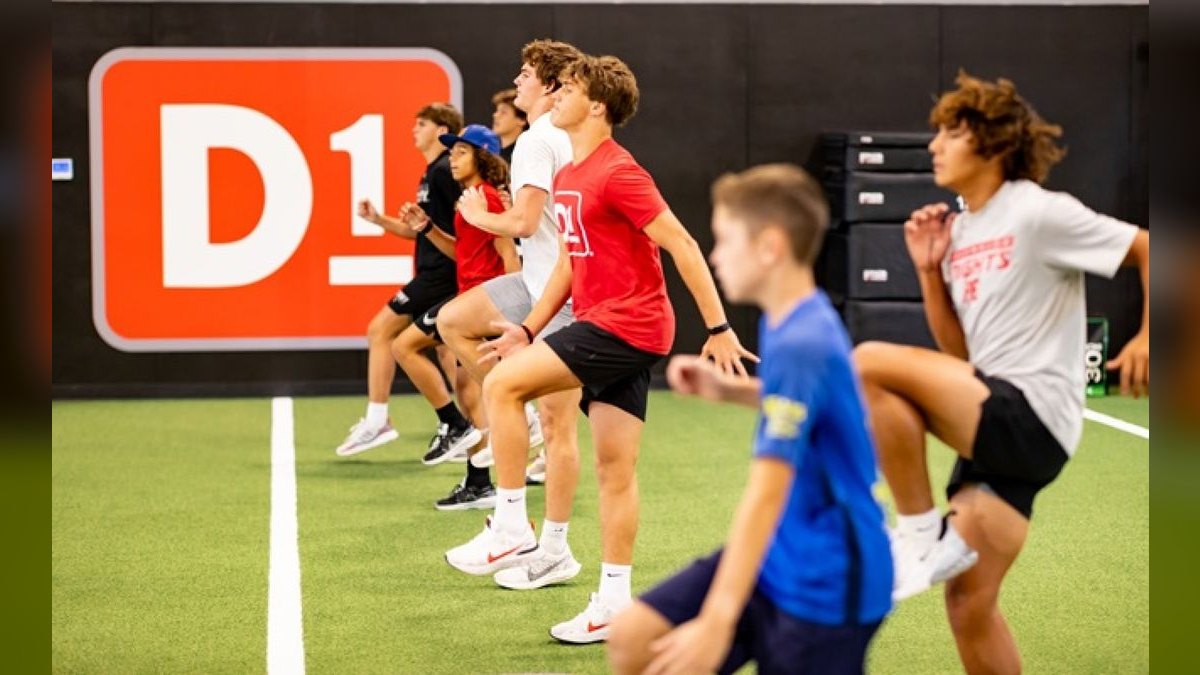
Item 19 financial performance (2026 FDD reporting FY2025): average gross revenue across all qualifying franchised facilities open at least 12 months = $679,601. Median was $612,400. Top quartile cleared $1.55M. Bottom quartile sat at $385,000 — a real risk band most brokers won't lead with. Membership-revenue mix breaks roughly: 62% adult group (Prepare/Train), 28% youth/scholastic programming, 7% private training, 3% camps/events.
EBITDA reality check (industry-standard P&L build, not in FDD):
- Gross revenue: $679,601 (system average)
- Coach payroll (35-42% of revenue): ($265,000)
- Rent + CAM (12-15%): ($95,000)
- 7% royalty: ($47,572)
- 2% brand fund: ($13,592)
- Local marketing: ($36,500)
- Insurance, utilities, supplies, software: ($72,000)
- EBITDA: ~$149,937 (22% margin) at a well-run average unit
Payback math: $250K equity injection on a 70/30 SBA-7(a) (10-year, prime + 2.75%) = roughly $3,800/mo debt service. At average EBITDA minus debt service, owner cash flow ~$104K/year. Cash-on-cash payback: 30-36 months on the equity slice; full enterprise payback 5-6 years.
Who Wins With This Business
Former college or pro athletes win loudest. The D1 brand premium is authenticity — parents are buying access to a coach who actually played the sport. Will Bartholomew was a Tennessee Volunteer fullback and Denver Bronco; the brand recruits operators in his image. If you played D1, D2, NAIA, or pro at any level, your founding-member CAC drops 40-60% vs. a non-athlete operator.
Multi-unit fitness operators with existing F45, Orangetheory, or Crunch units win on adjacent demand. They already have an adult-fitness mailing list, real estate broker relationships, and tenant-improvement allowances scaled. The four largest D1 franchisees own 8-14 units each; the brand is increasingly a 3-pack minimum for new development.
Operators in youth-sports-dense Sun Belt geographies win. Top-revenue units cluster in Nashville, Atlanta metro, DFW, Tampa, Charlotte, Phoenix, Greenville SC, and Northwest Arkansas — markets where year-round youth baseball, football, lacrosse, and soccer create a non-discretionary training spend in households earning $125K+.
Active hands-on owner-operators win. D1 is a coach-led model, not a key-card gym. Owners who teach 8-12 sessions a week themselves cut payroll 6-10 points and double member retention. Absentee owners average 11% EBITDA; owner-operators average 22%.
Who Loses With This Business
Passive investors lose. The unit economics collapse the moment a non-athlete general manager runs the floor. D1's retention is built on named-coach relationships; turnover of a head coach typically costs 18-25% of memberships within 90 days.
Sub-$150K-liquid candidates lose. The minimum royalty ramp ($1,950 → $2,950 monthly) hits exactly when most new units are still pre-breakeven. Operators who underfund the Month 12-20 trough sell at distress to multi-unit owners for 40-55 cents on the invested dollar.
Cold-climate or college-town-only markets lose. Units in Madison WI, Iowa City, Lincoln NE, and Burlington VT have shown bottom-quartile revenue; the demand profile needs a youth-sports-mom population, not a student-heavy one. College towns lack the 4th-8th grade family density.
Operators trying to compete on price lose. D1's memberships price at $199-$299/month — roughly 2-3x Planet Fitness and 1.4x Orangetheory. The model is a premium positioning play; discounting kills the brand-authenticity halo and accelerates membership churn.
2027 Market Conditions
The youth sports market hit $62.8B globally in 2026 and is forecast at $69.1B in 2027 (Business Research Insights, 9.94% CAGR through 2035). The U.S. sports-coaching segment alone is an estimated $11.4B industry (IBISWorld 1542, 2026 update) growing 5-7% annually post-pandemic. Three 2027-specific tailwinds matter for D1 operators.
First, the NIL trickle-down. Since the House v. NCAA settlement took effect July 2025, revenue-share NIL is flowing to high-school juniors and seniors through collective payments and brand deals. Parents who see 7-figure NIL packages at LSU, Texas, and Alabama are increasingly willing to spend $300-$500/month on positional training from 5th grade onward. D1's Prepare (7-11) and Train (12-14) age bands are the direct beneficiaries.
Second, public-school PE budget cuts. 38 of 50 states cut per-pupil PE funding between 2023-2026 (NFHS data). Private athletic training is filling the gap; D1's scholastic programming partnerships (charter schools, club-team facility rentals) are a fast-growing revenue line — up 27% YoY in 2025 per franchisee surveys.
Third, real estate is finally a buyer's market. Class-B retail vacancy nationally hit 9.8% in Q1 2026 (CBRE), and tenant-improvement allowances have rebounded to $45-$75/sf for fitness uses. A D1 build-out that cost $385K in 2023 is averaging $310K in 2026, with landlords contributing 30-45% of leasehold improvements on 10-year leases.
Two headwinds: coach labor inflation (strength coaches now command $65K-$85K base in Sun Belt metros, up 22% since 2023) and rising member-acquisition costs on Meta ($88-$112 per qualified lead in fitness verticals, per Tinuiti's 2026 paid-social benchmark).
The 90-Day Decision Tree
- Days 1-7 — Pull and read the 2026 FDD cover to cover. Request directly from franchise.d1training.com or via a franchise broker. Read Items 5, 6, 7, 12, 19, 20, and 21 twice. Note that Item 20 turnover — 14 closures and 18 transfers over the trailing 3 years — is the most informative section most candidates skip.
- Days 8-21 — Call 20+ existing franchisees from the Item 20 list. Skip the ones the franchisor "recommends." Ask three questions: actual Year-1 revenue, actual Month-18 EBITDA, and would they sign again at today's $59,500 fee? A real signal: if fewer than 70% say yes, walk away.
- Days 22-35 — Run a trade-area study. Use SitesUSA + Buxton + free Census ACS 5-year data. You need household income median > $98K, 3,000+ youth athletes ages 7-17 within 5 miles, and 2+ feeder youth-sports complexes (Little League, USA Football, AAU). Validate competitor density — if there's a Parisi, Athletic Republic, or Catapult within 2 miles, dig deeper before committing.
- Days 36-50 — Discovery Day in Nashville. Two-day mandatory in-person at HQ. Spend the second night at a Nashville-area D1 observing actual coach delivery and member check-in.
- Days 51-65 — Real estate and SBA pre-qual in parallel. Hire a tenant-rep broker (Cushman, Newmark, or CBRE retail). Send your personal financial statement to a Live Oak Bank or Wallis Bank franchise lender — both have D1 on their "approved brands" list at 70-80% LTV.
- Days 66-80 — Sign LOI on real estate + FDD review with a franchise attorney. Budget $3,500-$6,500 for legal review by a member of the American Bar Association Forum on Franchising. Push back on post-term non-compete radius and default cure periods.
- Days 81-90 — Sign Franchise Agreement or walk. D1 typically holds territory rights for 90-120 days after Discovery Day. If your real-estate LOI didn't materialize, request an extension rather than signing without a confirmed site — the #1 cause of D1 failure is a bad lease, not a bad market.
Alternative Plays
Buy a resale D1 instead of opening greenfield. 8-12 D1 units transact per year on BizBuySell, FranchiseGator, and broker networks like Murphy Business. Asking prices typically run 2.8-4.0x SDE with units doing $700K+ revenue. A 3-year-old unit with proven member base, trained coaches, and seasoned lease removes the 18-month ramp risk for a ~25% premium.
Open a competitor concept with similar economics. Athletic Republic (235 units, slightly lower investment at $290K-$650K), Parisi Speed School (110 units, often co-located with existing gyms, $185K-$425K all-in), or Catapult Performance (regional, 40 units, $325K-$580K). All target the same youth-athlete buyer at a lower entry price.
Build an independent training facility. Skip the franchise fee and royalty entirely. Average build cost $320K-$580K, but you'll spend 18-30 months building local brand equity that a D1 sign delivers on day one. Best for operators with existing local reputation (former college coach, longtime AAU figure).
Multi-unit acquisition play. Buy a 3-unit D1 portfolio in a single MSA ($1.8M-$2.6M typical asking on $2.1M combined revenue, ~3.1x SDE). Captures shared GM, shared marketing, shared payroll back-office economies that solo operators can't access.
FAQ
What is the total investment range for a D1 Training franchise in 2027? The all-in investment typically falls between $481,000 and $933,000, as outlined in the 2026 FDD Item 7. This range covers everything from the initial franchise fee to equipment, build-out, and working capital. Actual costs depend on your location, facility size, and local build-out requirements.
How long does it take to break even with a D1 Training franchise? Breakeven generally occurs between month 14 and month 20 of operation. This timeline assumes you have 12–18 months of runway to cover the minimum royalty ramp of $1,950–$2,950 per month. Operators who hit top-quartile revenue may reach breakeven sooner, while slower starts can push it toward the 20-month mark.
What are the typical profit margins and owner cash flow?
Disciplined operators often achieve EBITDA margins of 15–22%. At the system-average gross revenue of $679,601 per facility, that translates to roughly $102,000–$149,000 in Year-2 owner cash flow. Top-quartile facilities clearing $1.55 million in revenue can see significantly higher returns.
What qualifications do I need to run a D1 Training franchise? You don’t need to be a former athlete yourself, but you must recruit a head-coach-quality operator within the first 60 days—ideally a former college or pro athlete or a certified strength coach. Many franchisees come from business or sales backgrounds and rely on their coach to drive programming and culture.
How much liquid capital do I need after the initial investment? It’s wise to have at least $200,000 in liquid capital post-close to cover operating expenses, unexpected costs, and the royalty ramp. This buffer helps you stay afloat during the first 12–18 months before the facility reaches steady cash flow. SBA loans typically require a 70/30 debt-to-equity split, so your down payment will also factor in.
What makes a good location for a D1 Training franchise? The ideal trade area has at least 1,200 youth athletes within a 5-mile radius, as youth sports are a primary revenue driver. You’ll also need a pre-identified retail space of about 5,000 square feet in a high-visibility, youth-sports-dense area. Proximity to schools, sports complexes, and affluent neighborhoods boosts membership potential.
Bottom Line
D1 Training is a legitimate, well-run franchise with a defensible brand premium in the youth athletic training category, supported by 127 franchised units, an authentic founder story, and Item 19 economics that work for capable operators. It is not a passive-income vehicle, and it is not forgiving of underfunded launches. If you can fund the $481K-$933K all-in build, hold $225K+ in post-close reserves, identify a youth-athlete-dense trade area before signing, and either operate the floor yourself or partner with a credentialed athletic operator, your most-likely outcome is $679K Year-2 revenue, $100K-$150K owner cash flow, and a 5-6 year full-payback enterprise. If any of those four conditions are weak, buy a profitable resale, choose Athletic Republic or Parisi at lower entry, or skip the category entirely and look at lower-payroll fitness concepts. The 2027 conditions — NIL trickle-down, public-school PE cuts, and Class-B retail tenant-improvement allowances — are the most favorable for D1 entry since the brand began franchising in 2016.
Sources
- D1 Training Franchise Review 2026: Costs, Fees, News, Average Revenues and/or Profits — FranchiseChatter, March 11 2026
- D1 Training Franchise FDD, Costs & Fees (2026) — FranchisePayback
- D1 Training Startup Costs — d1franchise.com (official)
- D1 Sports Franchise Insights: FDD, Costs & Fees — VettedBiz
- IBISWorld Industry 1542 — Sports Coaching in the US
- Youth Sports Market Outlook 2026-2035 — Business Research Insights
- Sports Training Market Growth Trends — Youth Sports Business Report
- D1 Training Franchise FDD, Profits & Costs — Sharpsheets
- D1 Franchise Analysis: Cost, FDD & More — Franzy
- D1 Training Franchise Cost & Opportunities 2026 — FranchiseHelp
- House v. NCAA Settlement Implementation — NCAA.org, 2025
- NFHS State PE Funding Survey 2026 — National Federation of State High School Associations
Related on PULSE
- Should I open or buy a Sit Means Sit dog training franchise in 2027?
- Should I open or buy a Zoom Room dog training franchise in 2027?
- Should I open or buy a GymGuyz mobile personal training franchise in 2027?
- Should I open a personal training business in 2027?
- Should I open or buy an F45 Training franchise in 2027?
This page will be disappearing soon. Save it to your device for $1 — or read it free while it is here.
@Kory-White- · if Venmo asks, the last 4 of my number are 2012
This page is gone.
This one is off the shelf now. $1 keeps it on your phone for good — the whole page, pictures and diagrams included.
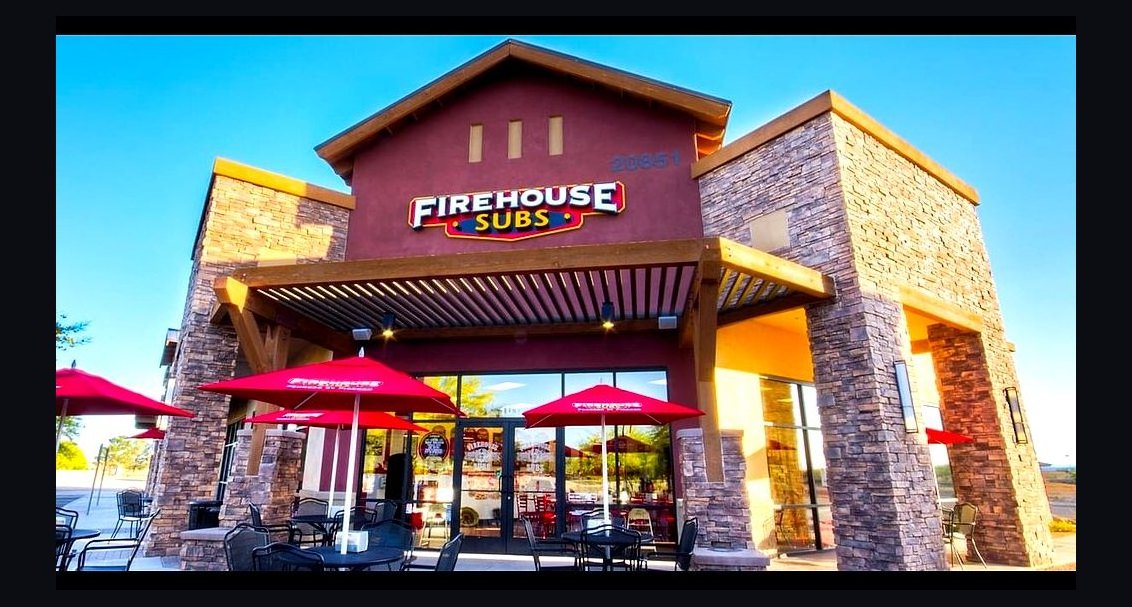 franchiseShould I open or buy a Firehouse Subs franchise in 2027?
 franchiseShould I open or buy a Drybar franchise in 2027?
 franchiseShould I open or buy a Whataburger franchise in 2027?
 franchiseShould I open or buy a Planet Fitness franchise in 2027?
 franchiseShould I open or buy a Taco Bell franchise in 2027?
 franchiseShould I open or buy a Chipotle franchise in 2027?
 franchiseShould I open or buy a Matco Tools franchise in 2027?
 franchiseShould I open or buy a Kona Ice franchise in 2027?
 franchiseShould I open or buy a Marco's Pizza franchise in 2027?
 franchiseShould I open or buy a Jimmy John's franchise in 2027?