


Should I open a cake decorating business in 2027?
Quality
Certified
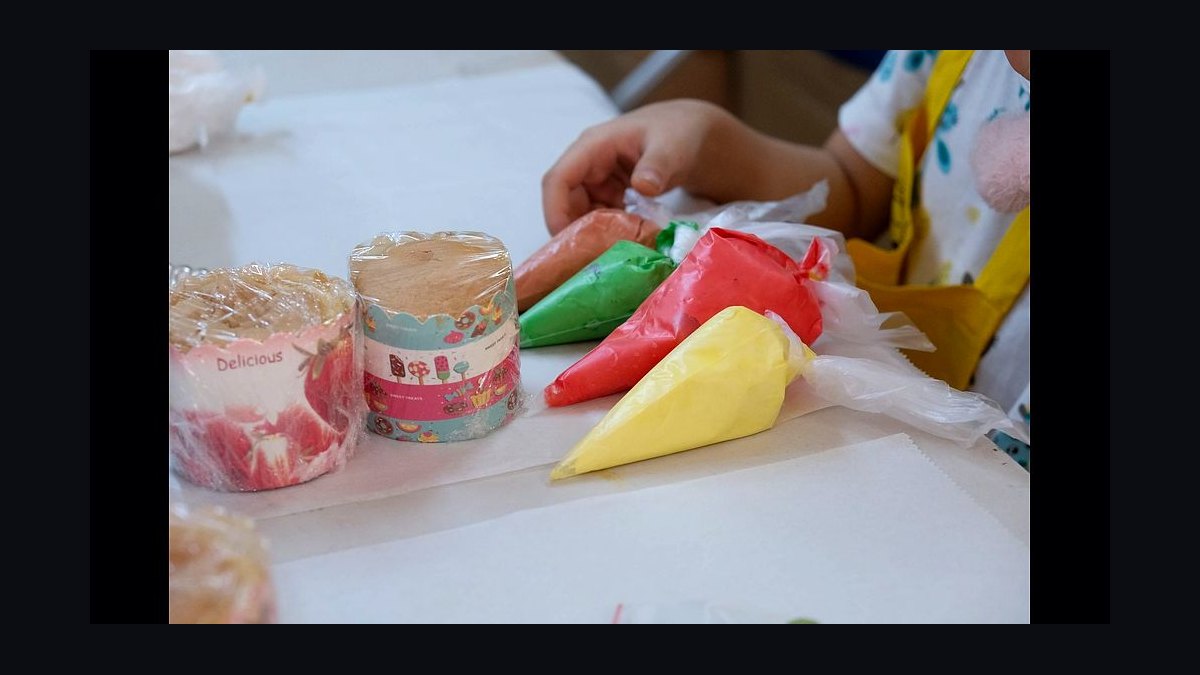
Yes, but only as a home-based cottage-food operation — not a storefront. If you already decorate well (buttercream roses, fondant work, tiered stacking) and can keep startup costs under $8,000, opening a cake decorating business from home in 2027 can realistically net $35,000-$95,000 in owner earnings within the first year. A commercial storefront is a different bet entirely: it needs $140,000-$420,000 in capital and 2-3 years to break even, which is the wrong move for a first-time operator with no existing client base.
Home, Shared Kitchen, Or Storefront: The Real Choice
Anyone asking whether to open a cake decorating business in 2027 is really choosing between three structurally different businesses that happen to share the same product. They are not scaled-down versions of each other — they have different cost structures, different legal frameworks, and different break-even math, and picking the wrong one is the single most common reason new bakers fail in year one.
The home-cottage model is the default starting point for a reason: 46 states plus Washington D.C. now have cottage food laws that let you sell cakes made in your own kitchen without a commercial buildout, a health department permit for the space itself, or a second mortgage. Startup cost for this model runs $3,000-$8,000 — a good stand mixer, an oven upgrade if yours is underpowered, a fondant sheeter, an airbrush kit, basic food-safe packaging, and your state's cottage permit fee. Because there's no rent, no commercial equipment lease, and no employees, EBITDA margins land at 35-55%, and most operators recover their startup cash in 3-9 months. The tradeoff is a revenue ceiling: most cottage-food states cap annual gross sales, and the cap varies wildly — anywhere from $2,500 in Indiana to no cap at all in states like Wyoming or Utah.

The shared commercial kitchen model is the middle tier, and it exists specifically to solve the cottage-food revenue cap. You rent kitchen time by the hour or month at a licensed commissary, which lets you sell at a higher volume and often wholesale to cafes or event planners, but you're paying $8,000-$22,000 to get set up (equipment you bring or rent, kitchen membership, higher insurance limits, sometimes a second food-handler certification). Revenue potential jumps to $65,000-$180,000 in year one because you're no longer capped, but margins compress to 22-38% since you're now paying for kitchen access and usually working closer to full-time hours — 35-50 hours a week instead of the 20-35 a cottage operator puts in.
The storefront model is a genuinely different business: a retail bakery with walk-in traffic, a lease, build-out, and staff. All-in cost to open runs $140,000-$420,000, and you're not really competing with other home bakers anymore — you're competing with Nothing Bundt Cakes locations (national chain, median AUV around $1.4 million) and Edible Arrangements-style gifting chains that have marketing budgets and supply chain advantages a single-location operator can't match. Margins land at 8-14% EBITDA, and payback stretches to 42-66 months. A franchise version of the storefront path, like Nothing Bundt Cakes, trades the risk of building your own brand for a $667,000-$907,000 total investment and ongoing royalties, in exchange for a proven playbook and a median AUV that dwarfs what an independent storefront typically pulls.
The honest framing: cottage is the only one of these three where the unit economics are better than almost any other food business a solo operator can start, because you've eliminated rent and labor cost entirely. The other two paths only make sense once you've outgrown the cottage cap or you're bringing outside capital and want a brick-and-mortar brand from day one.
How To Decide Between The Three Paths
The decision isn't really about ambition — it's a sequence of disqualifying questions. Do you already have the decorating skill to charge wedding-tier prices, or are you starting from zero? Can you survive on a legally capped revenue ceiling, or does your state's cap make cottage-only unworkable past your first year? Do you have $150,000+ in liquidity sitting idle, or is $8,000 closer to your real ceiling? Answering these in order, before you spend a dollar, eliminates almost every failure mode described in the numbers above — most people who lose money in this business skipped the skill check, not the market research.
Notice what this tree does not include: location, branding, or how much you want this to feel like a "real" business. Those are style preferences. The three variables that actually determine survival are decorating skill, your state's legal cap, and your actual liquidity — everything else is a downstream decision you make after those three are settled. Skipping straight to a storefront because it feels more legitimate is the most expensive mistake available in this category, because it converts a business with 35-55% margins into one with 8-14% margins before you've proven you can sell a single cake.

The Concrete Numbers Behind Each Option
Equipment for a cottage launch breaks down specifically: a stand mixer capable of daily batches runs $280-$450, a convection oven upgrade (if your home oven can't hold consistent temperature for tiered cakes) runs $1,800-$3,200, a fondant sheeter is $190-$340, an airbrush kit for finishing work is $120-$180, a basic tip set is around $90, a turntable is $45, and annual transport box costs run about $240. On the legal and insurance side, expect a cottage-food permit at $35-$200 depending on state, a food-handler card at $15-$35, LLC and EIN setup at $140-$320, and liability insurance through a program built for home bakers at roughly $299/year. A basic website and social presence adds another $150-$200/year. All-in, a realistic cottage launch lands between $3,000 and $8,000, which is why the payback window is measured in months rather than years.
Pricing in 2027 clusters predictably by product type: a quarter sheet cake runs $45-$85, a decorated 8-inch round runs $65-$120, tiered wedding cakes price per serving at $5.50-$9.00 (so a 150-guest wedding cake lands between $825 and $1,350), cupcakes run $36-$60 a dozen, and fully sculpted novelty cakes command $8-$14 per serving. Cost of goods sold — flour, butter, sugar, fondant, boards, and packaging — typically runs 18-26% of revenue. Because labor is owner-equity in the cottage model rather than a line-item wage, the margin numbers look inflated until you back out a fair hourly rate: on a fully-burdened $28/hour labor assumption, true take-home works out to $22-$45 an hour depending on how often cakes have to be remade for structural or client-satisfaction reasons.
Shared-kitchen economics shift the picture: you're paying for kitchen access (commonly $15-$35/hour or a flat monthly membership), which is why margins compress even as top-line revenue climbs into the $65,000-$180,000 range. Storefront economics are a different order of magnitude — commercial lease build-out, kitchen equipment at commercial spec, and staff wages are the dominant costs, which is why $140,000-$420,000 is the realistic all-in range and why margins settle at single digits to low double digits rather than the 35%+ a cottage operator can hit. The market itself is growing — the custom cake category expanded over 11% in 2026, wedding cake budgets have climbed to a median around $625, and social-platform-driven ordering (Instagram and TikTok) now originates a large majority of custom cake inquiries — but growth in the category doesn't change which cost structure you're operating under.
Sequencing The First 90 Days
The order of operations matters as much as the numbers, because most failures in this business come from spending on equipment or a lease before validating that you can actually sell. The sequence that works starts with a skill audit, not a purchase: bake and decorate several test pieces spanning a round buttercream cake, a tiered fondant cake, a sculpted novelty piece, and a stacked multi-tier wedding-style cake. If more than one of those fails structurally or visually, that's the signal to invest in a short decorating course before spending a dollar on business setup — skill gaps are cheap to fix early and expensive to fix after you've taken a deposit.
Once skill is validated, legal setup comes next: confirm your state's cottage-food statute and revenue cap, file your LLC and EIN, get liability insurance in place, complete a food-handler certification, and pull whatever state cottage permit is required. Only after the legal foundation is set should you build a portfolio — a batch of at-cost cakes for friends and family in exchange for photography and reviews gives you sellable proof before you're asking strangers to pay full price. Pricing should be set using a straightforward formula: roughly three times ingredient cost plus a real hourly labor rate, not a guess based on what feels fair.
The final checkpoint is the one most new operators skip: at roughly the 90-day mark, you should have a clear read on booked deposits and a pipeline of orders for the next 60 days. If that pipeline is thin, the correct move is to stay part-time and re-evaluate rather than quitting a day job on optimism. Cake revenue is seasonally lumpy — a large share of annual revenue clusters around spring/summer wedding season and the November-December holiday stretch — so a thin first quarter doesn't necessarily mean the business doesn't work, but it does mean you're not ready to go full-time yet. Delivery pricing deserves the same discipline: failing to price in gas, time, and the real risk of a tiered cake collapsing on a long drive quietly erodes margin by several points on every order that leaves your kitchen.
Related questions

Do I need a culinary degree to open a cake decorating business?
No. Most successful home-cake businesses run on self-taught or hobbyist-trained skill. What matters is consistent execution — piping, stacking, and structural stability — not a diploma.
How much can I realistically earn in year one from home?
Most home-based operators land between $35,000 and $95,000 in owner earnings working 20-30 hours a week, assuming pricing in the $6-$8 per slice or $75-$300 per custom cake range.
What's the biggest cost people underestimate?
Insurance and permitting. Liability coverage and cottage permits are individually cheap, but skipping them is the fastest way to lose a business to a single bad claim or a code violation.
Can I run this alongside a full-time job?
Yes — it's the most common path. Most operators start evenings and weekends with 10-15 monthly orders and only consider going full-time once deposits and a repeat client base are proven out.
Is a storefront ever the right first move?
Rarely. Without an existing client base and six-figure liquidity, a storefront's 8-14% margins and multi-year payback make it a much riskier starting point than cottage or shared-kitchen.
FAQ
Is cottage food actually legal for selling decorated cakes in my state?

In 46 states plus D.C., yes — cottage food laws permit home-kitchen sales of baked goods, though each state sets its own revenue cap, allowed product list, and permit requirements. Check your specific state's statute before you start selling, since caps range from a few thousand dollars to no cap at all.
What happens if I hit my state's cottage food revenue cap? You either stop taking new orders for the rest of that revenue year, or you migrate to a licensed shared commercial kitchen so you can keep scaling. Planning for this transition before you hit the cap — rather than reacting to it — avoids a forced pause in your business.
How do I compete with a chain like Nothing Bundt Cakes? You don't compete on price or volume — you compete on customization, dietary accommodation, and personal service, which a standardized chain product structurally can't offer. Wedding cakes, cultural-occasion cakes, and highly specific design requests are where independent decorators consistently win.
Should I price by the slice or by the whole cake? Most operators do both depending on the product: sheet cakes and everyday orders price by the slice or by size, while tiered wedding cakes price per serving because guest count directly drives both ingredient cost and labor time.
How long before I know if this business is working? A 90-day checkpoint is the standard test: if you've cleared a few thousand dollars in net cash and have a real pipeline of booked orders for the next two months, that's a legitimate signal to go further. Thin bookings at 90 days mean stay part-time, not quit entirely.
Do I need a food handler certification even for a home kitchen? Yes, in virtually every cottage-food state. It's a low-cost, short course, and most jurisdictions require it alongside your cottage permit before you can legally sell.
Sources
- https://www.ibisworld.com
- https://www.theknot.com
- https://www.ers.usda.gov
- https://www.sba.gov
- https://www.wilton.com
- https://www.forrager.com
- https://www.toasttab.com
- https://squareup.com
- https://www.foodliabilityinsurance.com
Related on PULSE
- How do I franchise my own business in 2027?
- Franchise vs. independent business: which should I start in 2027?
- Should I open or buy a Padgett Business Services franchise in 2027?
- Should I open a arcade business in 2027?
- Should I open a ATM business in 2027?
- Should I open a vending machine business in 2027?
This page will be disappearing soon. Save it to your device for $1 — or read it free while it is here.
@Kory-White- · if Venmo asks, the last 4 of my number are 2012
This page is gone.
This one is off the shelf now. $1 keeps it on your phone for good — the whole page, pictures and diagrams included.
 franchiseShould I open or buy a Roto-Rooter franchise in 2027?
 franchiseShould I open or buy a Big O Tires franchise in 2027?
 franchiseShould I open or buy a Little Caesars franchise in 2027?
 franchiseShould I open or buy a Drybar franchise in 2027?
 franchiseShould I open or buy a Valvoline Instant Oil Change franchise in 2027?
 franchiseShould I open or buy a Whataburger franchise in 2027?
 franchiseShould I open or buy a Matco Tools franchise in 2027?
 frShould I open or buy a McDonald's franchise in 2027?
 franchiseShould I open or buy a Stanley Steemer franchise in 2027?
 franchiseShould I open or buy a Culver's franchise in 2027?