


Should I open or buy a Hot Chicken Takeover franchise in 2027?
Quality
Certified
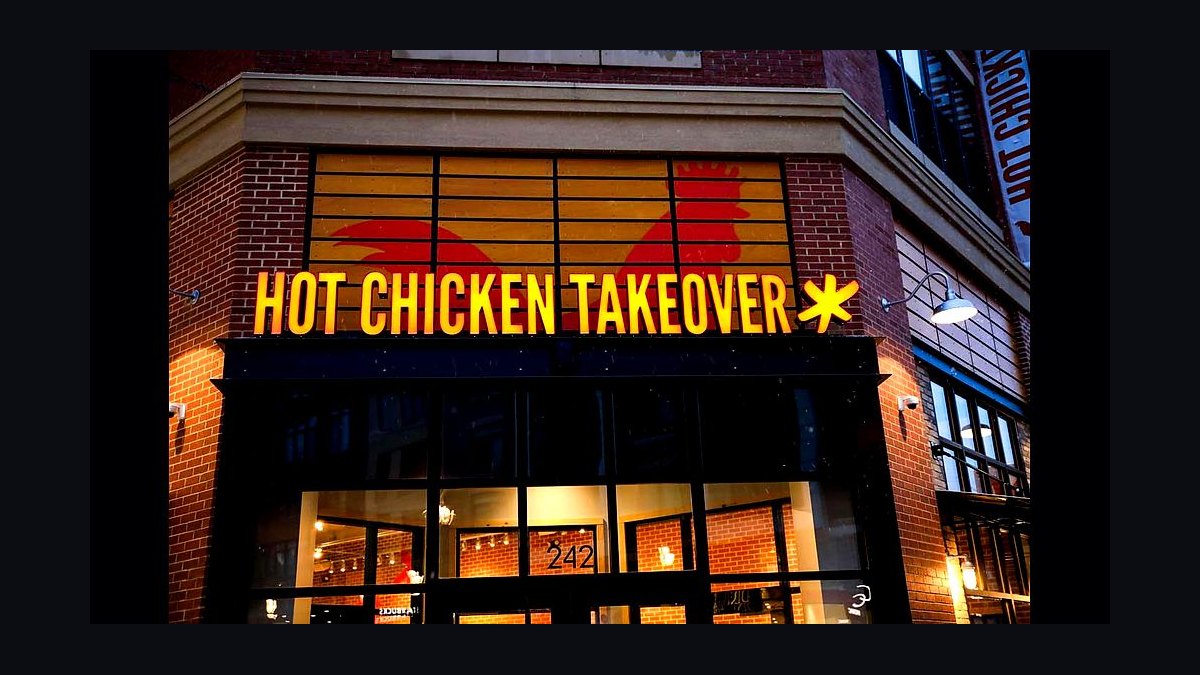
Proceed with real caution: Hot Chicken Takeover has operated primarily as a company-owned, mission-driven concept in Columbus, Ohio, and has not maintained a broad, active franchise program after restructuring through financial and growth challenges. Before you open anything under that name, confirm directly with the company that franchising exists today. If it doesn't, the realistic route into Nashville-style hot chicken is an actively franchising brand — Dave's Hot Chicken, Angry Chickz, The Budlong — or a differentiated independent concept, both running $500,000–$1,400,000 to open.
What it is and why it matters
Hot Chicken Takeover was founded in 2014 in Columbus, Ohio, and became known for two things simultaneously: a genuinely good Nashville-style hot chicken product, and a second-chance-employment hiring model that gave people with barriers to employment — including justice-involved individuals — a path into stable work. That combination earned the brand loyal local fans and national media attention as a values-driven operator in a category usually associated with celebrity chefs and viral drive-thru lines. What it did not do, at scale, is build the kind of transparent, actively recruiting franchise system that brands like Dave's Hot Chicken built starting around 2021. Instead, Hot Chicken Takeover largely stayed company-operated, expanded slowly, and eventually went through a restructuring tied to financial and growth pressure common to regional fast-casual concepts that scale faster than their systems and capital can support.
This distinction matters enormously to you as a prospective buyer, because "should I franchise Hot Chicken Takeover" and "should I get into the hot chicken category" are two different questions with two different answer sets. A franchise purchase requires an actual, legally offered franchise — a Franchise Disclosure Document (FDD), a signed agreement, ongoing royalty and marketing-fund obligations, and a support system from the franchisor. If Hot Chicken Takeover is not currently offering that structure, there is nothing to buy from them in the franchise sense, no matter how much you like the product or the mission. Understanding this upfront saves you months of wasted outreach and lets you redirect your capital and enthusiasm toward a brand or independent concept that can actually close a deal with you in 2027.

The step-by-step process
Whether Hot Chicken Takeover reopens franchising or not, the disciplined path into this category follows the same sequence, and skipping steps is where most buyers get hurt. Start by contacting the brand directly — not a broker, not a listing site — and ask in writing whether franchising is currently open, and if so, request the FDD. If the answer is no or you get no clear answer within a reasonable window, pivot immediately to brands that are actively franchising rather than waiting on a system that has pulled back. From there, the process is standard franchise due diligence applied to whichever hot-chicken brand you land on: read the FDD cover to cover, pay close attention to Item 19 (financial performance representations, if provided), and check Item 3 for litigation history and Item 20 for unit growth, closures, and transfers, which tell you far more about system health than marketing materials do.
After the paperwork, interview at least three existing franchisees in markets that don't compete with your intended territory — ask them directly about real food cost, labor turnover, marketing fund effectiveness, and whether corporate support matches what was promised in the sales process. Only after that validation should you move to site selection, lease negotiation, and construction, because signing a lease before you've confirmed the brand and the unit economics is the single most expensive sequencing mistake in this business.
Costs, timelines, and typical ranges
Because Hot Chicken Takeover itself is not a reliable franchise benchmark right now, use comparable hot-chicken fast-casual economics to plan your capital stack. A full build for a brand-name or independent hot-chicken restaurant typically runs $500,000 to $1,400,000 all-in, broken down roughly as $250,000–$700,000 for leasehold improvements and buildout, $150,000–$350,000 for kitchen equipment including fryers, hood systems, and POS, $25,000–$75,000 for signage and interior branding, $10,000–$25,000 for opening inventory, $15,000–$45,000 for grand-opening marketing, and $50,000–$150,000 in working capital to cover the first three months of operating losses before volume stabilizes. If you go the franchise route with an actively franchising brand, add a franchise fee of roughly $30,000–$50,000 plus ongoing royalties of 5–8% of gross sales and a marketing fund contribution on top, neither of which applies if you open independently.
On the revenue side, a well-run hot chicken location typically grosses $900,000 to $1.8 million annually at 8–15% net margins once past the ramp period, though a realistic first-year range for a new unit is closer to $600,000–$900,000, growing toward $1.2–$1.8 million by year three if the location performs. Food cost typically runs 28–34% of revenue, heavily influenced by chicken commodity pricing — expect $1.50–$2.50 per pound for boneless thighs depending on region and supplier contracts. Labor runs 28–35% of sales, and rent for a 1,500–2,500 square foot space ranges from $4,000–$12,000 monthly in secondary markets up past $20,000 in prime urban corridors. Break-even for a competently operated unit generally lands at 12–18 months, and you should build your own pro forma using local numbers rather than treating these ranges as guarantees, since site-specific costs can swing the outcome significantly in either direction.

Where teams get it wrong
The most common and costly mistake is assuming brand affection equals franchise availability — buyers fall in love with Hot Chicken Takeover's story and second-chance hiring mission and skip the basic step of confirming a franchise agreement actually exists before they start scouting real estate or talking to lenders. Mission and buzz are not unit economics, and a brand can be admirable, well-covered by local press, and financially strained all at the same time; Hot Chicken Takeover's own restructuring is a direct example of that gap. The second major error is under-capitalizing the project by using low-end cost estimates from outdated articles instead of current local quotes for construction, equipment, and permitting, which in 2027 run meaningfully higher than they did even two or three years earlier in most metro markets.
A third failure mode is choosing a site in a market that's already saturated with Dave's Hot Chicken, Angry Chickz, or other fast-growing chains without a clear differentiation angle — hot chicken is now a crowded niche, and "we also sell hot chicken" is not a competitive strategy against a brand with national marketing muscle and proven throughput systems. Operators also frequently underestimate the skill required to run a fryer-heavy kitchen consistently: hot chicken lives or dies on oil temperature control and consistent spice application, and losing experienced fry cooks to turnover can tank quality and reviews within weeks. Finally, teams that go independent often skip the R&D phase entirely, launching with an underdeveloped spice blend and breading process instead of the 3–6 months of testing that gives a truly independent concept its competitive edge.
Decision framework: when to choose what
Your decision tree should branch on two questions in sequence: is a real, currently active franchise available, and do you want the support structure of a franchise system or the full control of building your own brand. If Hot Chicken Takeover confirms an open franchise program with a clean FDD and healthy Item 20 unit trends, and you value an established recipe and second-chance mission alignment, that becomes a live option worth deeper diligence. If it does not — which is the more likely scenario based on its recent operating history — your choice narrows to two paths: join an actively franchising peer brand for proven systems and faster time-to-open, or build an independent concept if you have strong culinary instincts, more risk tolerance, and want to avoid royalty payments long-term.

Capital availability should weigh heavily here too: if you're near the low end of the $500,000–$1,400,000 range, a food-hall stall or smaller footprint under an established franchise reduces execution risk compared to a standalone independent build, while well-capitalized operators with restaurant experience are better positioned to absorb the R&D time and marketing lift an independent concept demands.
Related questions
Is Hot Chicken Takeover a franchise you can buy right now?
Not reliably. The brand has operated mostly company-owned and went through financial restructuring, so a broad franchise program may not currently exist. Contact the company directly to confirm before assuming otherwise.
What's the cheapest way to test a hot chicken concept before committing full capital?
A ghost kitchen or pop-up lets you validate demand and refine your spice blend for a fraction of a full buildout's cost, often under $50,000, before signing a long-term lease.
How does Dave's Hot Chicken compare financially to a Hot Chicken Takeover-style concept?
Dave's Hot Chicken reports AUVs often in the $1.8–$2.2 million range with investment of $650,000–$1,200,000, generally higher volume than a comparable independent or smaller regional brand.
What should I ask current franchisees before signing any hot-chicken franchise agreement?
Ask about real food and labor costs, turnover among fry cooks, marketing fund ROI, and whether corporate support matched what was promised during the sales process.
FAQ
Is Hot Chicken Takeover currently offering franchises to open in 2027?
As of the most recent public information, Hot Chicken Takeover has not maintained a broad, actively marketed franchise program and has operated primarily as a company-run regional chain after restructuring. Contact the company directly to get a current, definitive answer before making any plans around it.
What did Hot Chicken Takeover's financial restructuring involve? Specific financial details are not fully public, but the brand scaled back and reorganized after facing growth and financial pressure common to fast-casual concepts that expanded quickly. This history is a signal to do extra due diligence if any franchise opportunity does surface.
How much does it cost to open a comparable hot chicken restaurant in 2027? Expect a total investment of $500,000 to $1,400,000 covering buildout, equipment, signage, inventory, marketing, and working capital, with the exact figure depending heavily on location, square footage, and whether you franchise or build independently.
Which hot chicken brands are actively franchising as alternatives? Dave's Hot Chicken, Angry Chickz, and The Budlong all maintain active, transparent franchise programs with published FDDs and ongoing unit growth, making them more concrete paths to open a hot-chicken business than a brand that has pulled back from franchising.
Is an independent hot chicken concept a better choice than franchising? It depends on your goals: independent ownership avoids royalty fees of 5–8% of gross sales and gives full creative control, but it demands your own recipe development, brand-building, and operational systems instead of a proven playbook and franchisor support.
What's the single biggest risk in pursuing this category right now? Assuming a beloved brand's mission and reputation guarantee unit economics or franchise availability. Validate the actual offering — or lack of one — and the real financial numbers before committing capital, regardless of how strong the brand's story is.
Sources
- https://www.franchise.org
- https://www.qsrmagazine.com
- https://nrn.com
- https://www.ibisworld.com
- https://www.technomic.com
- https://www.statista.com
- https://www.franchisebusinessreview.com
- https://www.ftc.gov/business-guidance/resources/franchise-rule-compliance-guide
- https://www.entrepreneur.com/franchises
Related on PULSE
- Should I open or buy a Dave's Hot Chicken franchise in 2027?
- Should I open a Dave's Hot Chicken franchise in 2027?
- Should I open or buy a Hot Head Burritos franchise in 2027?
- Best chicken and wings franchises to buy in 2027
- Should I open or buy a Champs Chicken franchise in 2027?
- Should I open or buy a Big Chicken franchise in 2027?
This page will be disappearing soon. Save it to your device for $1 — or read it free while it is here.
@Kory-White- · if Venmo asks, the last 4 of my number are 2012
This page is gone.
This one is off the shelf now. $1 keeps it on your phone for good — the whole page, pictures and diagrams included.
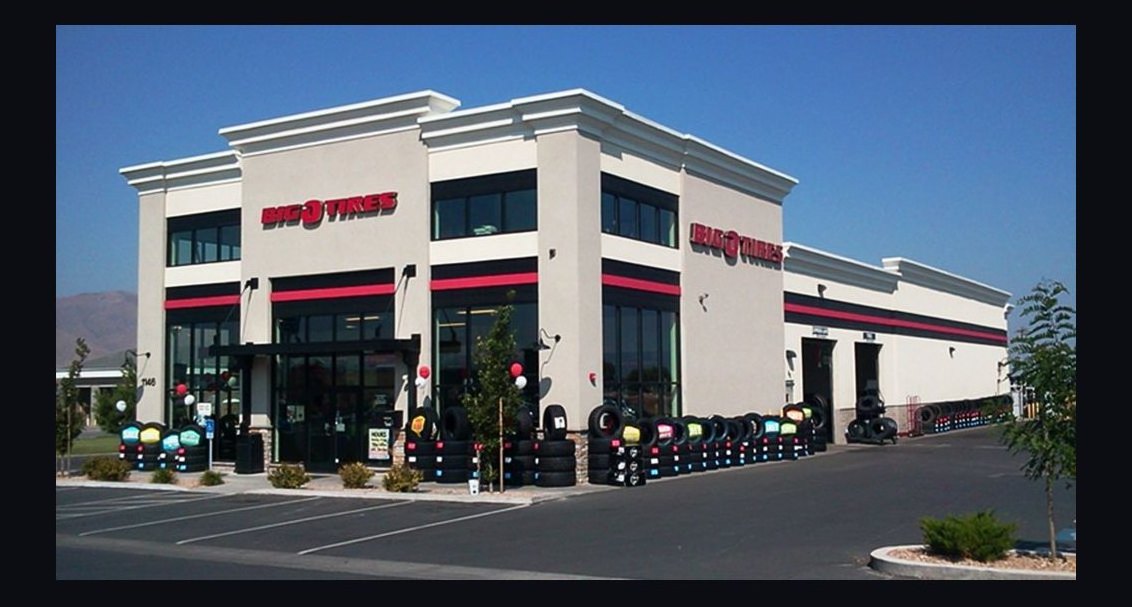 franchiseShould I open or buy a Big O Tires franchise in 2027?
 franchiseShould I open or buy a Bruster's Real Ice Cream franchise in 2027?
 franchiseShould I open or buy a Domino's franchise in 2027?
 frShould I open or buy a McDonald's franchise in 2027?
 franchiseShould I open or buy a FACE FOUNDRIÉ franchise in 2027?
 franchiseShould I open or buy a UPS Store franchise in 2027?
 franchiseShould I open or buy an F45 Training franchise in 2027?
 franchiseShould I open or buy a Jamba franchise in 2027?
 franchiseShould I open or buy a Massage Envy franchise in 2027?
 franchiseShould I open or buy a Smoothie King franchise in 2027?