


Should I open or buy a Huddle House franchise in 2027?
Quality
Certified
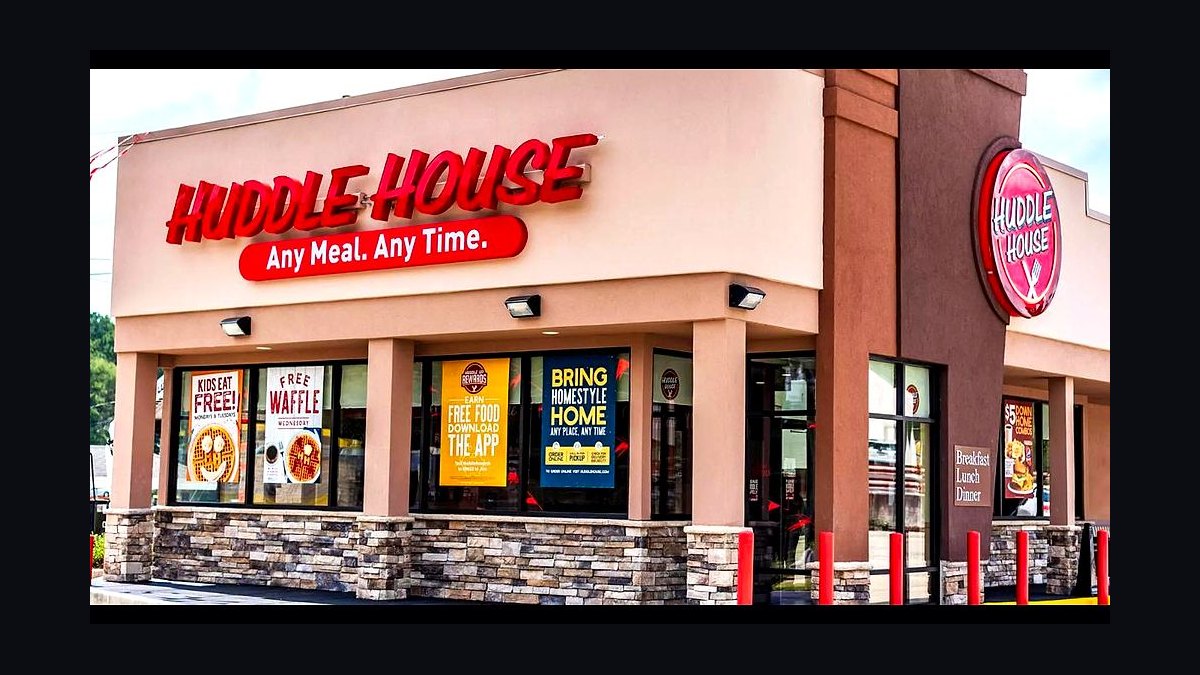
Open or buy a Huddle House franchise in 2027 only if you are a hands-on operator who can run a 24-hour, full-service family diner in a small-to-mid Southern market — not if you want a passive investment. The brand's lower build costs, conversion incentives, and entrenched small-town loyalty reward operators who manage labor and food cost relentlessly; absentee owners and anyone expecting quick-service simplicity will struggle against thin full-service margins.
What a Huddle House Franchise Is and Why the Model Matters
Huddle House is a full-service, often round-the-clock family diner built around all-day breakfast, with roughly 300 units concentrated in the Southeast — Georgia, Alabama, Mississippi, and the Carolinas form the core of the footprint. The brand is owned by Ascent Hospitality Management, which also owns Perkins, so the franchisor brings real multi-brand infrastructure: shared supply-chain relationships, training systems, and corporate development staff who have run restaurant conversions before. That matters because the single biggest thing separating Huddle House from a typical quick-service franchise is the operating model itself. A QSR counter-service concept staffs a register and a kitchen line; a full-service diner staffs servers, a host, a kitchen, and often an overnight shift, every day of the year. That is a fundamentally different labor equation, and it is the variable most first-time franchise buyers underweight when they compare the franchise fee and the AUV line on a disclosure document.
The "why it matters" piece is about fit, not quality. Huddle House's food and brand execution are not in question — the concept has survived for decades specifically because it fills a role no national QSR chain fills well: the 24-hour, come-as-you-are, all-day-breakfast gathering spot in a town too small to support three competing sit-down concepts. In the towns where it works, Huddle House is not competing on novelty; it is competing on being the place that is always open and always familiar. That community-anchor role is a real moat, but it only pays off if the operator behind the counter treats the diner like the 24-hour, labor-intensive business it actually is. A franchise buyer who is drawn purely by a brand name or a "diner" categorization that sounds simple is set up to misjudge the staffing, scheduling, and margin realities that come with full table service around the clock.

This also explains why Huddle House actively courts restaurant conversions and multi-unit developers rather than chasing ground-up builds in new metro markets. A converted restaurant shell already has a kitchen, a dining room, and often existing equipment, which collapses both the capital outlay and the opening timeline relative to new construction. For an operator who already understands full-service economics — someone coming out of another diner brand, a regional restaurant group, or even an independent they are selling into the system — a conversion is frequently the fastest, cheapest path into Huddle House's unit economics. For someone with no full-service background, a conversion does not fix the deeper issue: you still have to run 24-hour labor, and that is a management skill, not a real-estate decision.
The Step-by-Step Process to Open or Buy a Huddle House
The path from first inquiry to opening day follows a fairly standard franchise sequence, but the diligence content at each step needs to be full-service-specific, not generic QSR due diligence. Start with an initial inquiry and qualification call with Huddle House development, where you disclose your target market, your available capital, and whether you are looking at new construction, a conversion, or an existing resale unit. If you clear that initial screen, you receive the current Franchise Disclosure Document, and this is the point where most buyers spend too little time — Item 19, the financial performance representation, and its footnotes on how average unit volume is calculated deserve more hours than the glossy overview materials.
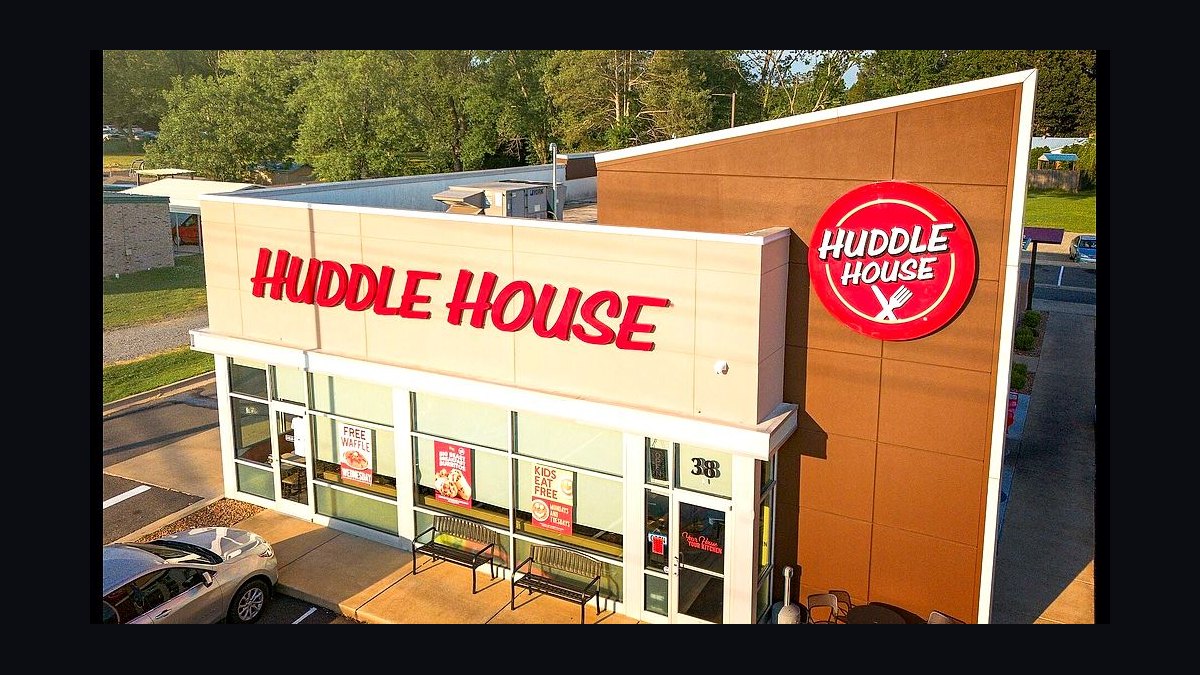
After FDD review comes Discovery Day, where you meet the franchisor's team in person, tour an operating unit, and — critically — should ask to shadow an overnight or early-morning shift, since that is the labor window that breaks underprepared owners. Site selection runs in parallel: you are choosing among a new build, a conversion of an existing restaurant shell, or an end-cap space, and each path carries a different cost and timeline profile. Financing and net-worth/liquidity verification happen alongside site work, since Huddle House — like most full-service franchisors — wants to see a real operating-capital cushion on top of the build budget, not just enough to cover construction.
Once a site and financing are locked, you move into lease negotiation or purchase, construction or conversion retrofit, equipment installation, and the franchisor's training program, which covers both the brand's systems and the operational reality of scheduling a 24-hour full-service kitchen and front-of-house staff. Pre-opening hiring and training for servers, cooks, and overnight staff should start well before the doors open, because full-service labor markets are tighter and slower to fill than QSR crews. Opening day begins the ramp period, typically six to twelve months before the unit reaches a stable run-rate, which is why the capital plan needs to fund operations through that window, not just through the grand opening.
Costs, Timelines, and Typical Ranges
Total initial investment for a Huddle House runs roughly $430,000 to $1,600,000, and that wide band exists almost entirely because of format: a new ground-up build sits at the high end, a conversion of an existing restaurant shell sits meaningfully lower, and an end-cap retrofit lands somewhere between the two. The initial franchise fee is around $25,000 per restaurant, with an ongoing royalty of roughly 4–5% of gross sales and a brand/advertising fund contribution of about 2–3% of gross sales. Net worth requirements sit around $300,000 or more, with liquidity expectations in the $100,000–$150,000 range — these are the gatekeeping numbers that determine whether you clear the franchisor's screen before you ever get to a site conversation.

System-wide average unit volume runs roughly $1.0 million to $1.3 million, which sounds healthy next to the investment range, but the number that actually determines whether a unit is a good investment is the operating margin underneath that top line, not the top line itself. Full-service breakfast diners typically run 28–34% food cost and 30–38% labor cost — both meaningfully higher than a counter-service QSR, because you are staffing servers on top of a kitchen crew across a 24-hour clock instead of a smaller crew across a shorter daypart. That leaves a thinner pre-rent margin than the AUV figure implies on its own, and it is why underwriting this concept on revenue alone, without modeling a realistic labor schedule against current wage rates in your specific market, is the most common analytical mistake buyers make before they ever sign.
Timeline-wise, expect roughly nine to fifteen months from signing the franchise agreement to opening day, with conversions typically landing on the shorter end of that range because the building, kitchen hookups, and often the equipment are already in place, while ground-up builds stretch toward the longer end due to permitting and construction. Once open, plan for a six-to-twelve-month ramp before the unit settles into a stable run-rate — new staff, a developing local customer base, and the learning curve of running full-service labor all take time to smooth out. The capital plan has to cover operating losses through that ramp window on top of the build cost; a realistic cushion is six months of operating expenses held separately from construction financing. Multi-unit developers and conversion buyers frequently see reduced fee structures from the franchisor, since Huddle House is actively trying to grow through exactly those two paths rather than through single-unit new construction in unfamiliar markets.
Where Operators and Buyers Get It Wrong

The most common and most expensive mistake is treating Huddle House like a simpler business than it is because "diner" sounds less intimidating than "restaurant." Full-service table service with a 24-hour operating window is a harder labor-management problem than running a quick-service counter, not an easier one — you are scheduling and supervising two distinct crews (front-of-house servers and back-of-house kitchen staff) across overnight, weekend, and holiday shifts that are genuinely difficult to staff in almost every labor market. Buyers who model the business as "a restaurant with a franchise fee" rather than "a 24-hour labor-scheduling operation with a kitchen attached" consistently underbudget both wages and management time.
A second recurring error is underwriting to the system AUV instead of a market-specific pro forma. An average unit volume of $1.0–$1.3 million tells you almost nothing about what a specific site, with its specific local wage rates, rent, and commodity costs, will actually net. The gap between a $1.1 million-revenue unit that clears a reasonable owner return and one that barely breaks even is almost entirely in how tightly food cost and labor cost are managed week to week — and that is a function of on-site management discipline, not brand strength. Buyers who skip building their own conservative pro forma, using local labor rates and current commodity pricing rather than system averages, routinely discover the real margin only after they have already signed a lease.

Third, geography gets underweighted. Huddle House's brand equity is real but regional — it is a known, trusted name across much of the Southeast and largely unknown outside it. A buyer opening in an unfamiliar metro or outside the core footprint is effectively funding brand awareness out of pocket during the ramp period, competing against Waffle House's dominant late-night and breakfast presence, IHOP, Denny's, Cracker Barrel, and strong independent diners, several of which carry stronger local recognition in markets Huddle House hasn't penetrated. Fourth, buyers chronically underestimate the ramp timeline and undercapitalize the operating window — funding the build and the franchise fee but not six months of operating cushion — which is the single most common reason diner conversions fail in year one, not food quality or service complaints. Finally, skipping deep FDD Item 19 scrutiny and franchisee reference calls in favor of a quick Discovery Day visit means buyers sign before they have heard, directly from current operators, how overnight staffing and commodity volatility actually play out on the ground.
Decision Framework: When to Choose What
The decision ultimately reduces to two questions: are you operating in or near Huddle House's established Southeast footprint, and are you willing to be a hands-on, on-site operator of a 24-hour full-service labor model? An operator who answers yes to both, and who is either converting an existing restaurant or developing multiple units within the footprint, sits in the strongest position the brand offers — lower relative entry cost, built-in brand recognition, and a franchisor actively structured to support exactly that path. An operator who answers yes to the labor question but is looking outside the footprint takes on a real brand-awareness burden; it is not disqualifying, but the pro forma needs to fund local marketing and a longer ramp than a Southeast conversion would need.
An investor who cannot answer yes to hands-on operation — someone with capital but no appetite or time for on-site restaurant management — should not buy a single Huddle House unit expecting a passive return; the honest alternatives are hiring an experienced full-service general manager to run day-to-day labor and overnight shifts, which de-risks the single biggest failure point for absentee owners, or looking at a more passive, less labor-intensive business model entirely. And an operator who wants restaurant ownership but is specifically trying to avoid 24-hour labor complexity has two reasonable off-ramps within the same general space: a daytime-only breakfast or brunch concept that captures similar demand without overnight staffing, or a quick-service brand where counter service removes the server labor layer altogether. None of these alternatives make Huddle House a worse brand — they simply route around the specific operating demand that the Huddle House model requires every owner to meet.
Related questions
How is a Huddle House conversion different from a new build financially?
A conversion reuses an existing kitchen, dining room, and often equipment, landing near the lower end of the $430,000–$1,600,000 range with a shorter nine-to-twelve-month timeline, versus a longer, costlier ground-up build at the range's upper end.
Does Huddle House work well outside the Southeast?
It can, but the brand carries little recognition outside its core region, so an operator outside the Southeast effectively self-funds brand awareness during the ramp and should budget more for local marketing and a longer break-even period.
How does Huddle House's full-service labor cost compare to a QSR franchise?
Full-service labor typically runs 30–38% of sales versus a meaningfully lower share at a counter-service QSR, because you are staffing servers alongside kitchen crew across a 24-hour schedule rather than a shorter daypart with fewer roles.
What ownership structure backs the Huddle House brand?
Huddle House is owned by Ascent Hospitality Management, which also owns Perkins, giving the brand shared franchisor infrastructure, training systems, and development support across both concepts.
FAQ
What is the total investment range to open a Huddle House franchise? Total initial investment typically runs $430,000 to $1,600,000, depending heavily on whether you build new, convert an existing restaurant, or take an end-cap space, plus a roughly $25,000 initial franchise fee.
What ongoing fees does a Huddle House franchisee pay? Franchisees pay a royalty of approximately 4–5% of gross sales and contribute roughly 2–3% of gross sales to the brand's advertising and marketing fund, on top of normal operating costs.
How profitable is an average Huddle House location? System average unit volume runs roughly $1.0 million to $1.3 million, but full-service food cost (28–34%) and labor cost (30–38%) leave a thinner margin than the top line suggests, so profitability depends heavily on local management discipline.
Is Huddle House a good fit for a first-time restaurant owner? It can work for a first-timer who is genuinely prepared to manage 24-hour, full-service labor hands-on, but the brand is a poor fit for anyone expecting passive ownership or quick-service-level simplicity.
Where is Huddle House actively growing in 2027? Growth is concentrated in small-to-mid-sized Southeast towns, particularly in Georgia, Alabama, Mississippi, and the Carolinas, with the franchisor favoring conversions of existing restaurants and multi-unit developers within that footprint.
How long does it take to open a Huddle House after signing? Expect roughly nine to fifteen months from signing the franchise agreement to opening day, with conversions typically faster than ground-up new construction, followed by a six-to-twelve-month ramp to a stable run-rate.
Sources
- https://www.ftc.gov/business-guidance/resources/franchise-rule-compliance-guide
- https://www.franchise.org
- https://www.restaurantbusinessonline.com
- https://www.qsrmagazine.com
- https://www.franchisetimes.com
- https://www.huddlehouse.com
- https://www.sba.gov/business-guide/plan-your-business/franchises
- https://www.ihop.com
Related on PULSE
- Should I open or buy a TruBlue Total House Care franchise in 2027?
- Should I open or buy a House Doctors franchise in 2027?
- Should I open or buy a Stumpy's Hatchet House franchise in 2027?
- Should I open or buy an Arby's alternative — Roast House — franchise in 2027?
- Should I open or buy a Yard House franchise in 2027?
- Should I open or buy a Nestle Toll House Cafe franchise in 2027?
This page will be disappearing soon. Save it to your device for $1 — or read it free while it is here.
@Kory-White- · if Venmo asks, the last 4 of my number are 2012
This page is gone.
This one is off the shelf now. $1 keeps it on your phone for good — the whole page, pictures and diagrams included.
 franchiseShould I open or buy a Big O Tires franchise in 2027?
 franchiseShould I open or buy a Papa John's franchise in 2027?
 franchiseShould I open or buy an Auntie Anne's franchise in 2027?
 franchiseShould I open or buy a Merry Maids franchise in 2027?
 franchiseShould I open or buy a Pizza Hut franchise in 2027?
 franchiseShould I open or buy a Jimmy John's franchise in 2027?
 franchiseShould I open or buy a UPS Store franchise in 2027?
 franchiseShould I open or buy a Crumbl Cookies franchise in 2027?
 franchiseShould I open or buy a Bruster's Real Ice Cream franchise in 2027?
 franchiseShould I open or buy a Jamba franchise in 2027?