


What is CPI Security and what makes the NC-based provider different from ADT or Vivint in 2027?
Quality
Certified

CPI Security is a Charlotte, North Carolina-based security provider founded in 1991, serving over 230,000 customers across the Carolinas, Tennessee, and Georgia. What makes it different from ADT or Vivint in 2027 is its regional operating model: an NC-based monitoring center, in-house W-2 installers rather than subcontractors, and locally staffed support that knows Southeast markets firsthand.
The two operating models compared: regional depth versus national scale
The security industry in 2027 splits into two fundamentally different operating philosophies, and understanding that split is the fastest way to understand why CPI Security occupies a distinct position. On one side sit the national platforms — ADT and Vivint being the two most recognizable — which optimize for breadth: coverage in all fifty states, standardized equipment packages, centralized or contracted monitoring, and marketing budgets that reach every television screen in the country. On the other side sit regional providers like CPI, which optimize for depth in a defined footprint: the Carolinas, Tennessee, and Georgia, roughly a dozen metro areas, and a customer base that a single company can actually know.
That distinction sounds like marketing until you trace it through the operational chain. When a national provider sells a system in Charlotte, the sale may be closed by a dealer, the install performed by a subcontractor crew booked through a third-party network, the monitoring handled by a call center that could be in another time zone, and the service ticket routed back through a dispatch queue shared with customers in twenty other states. Each handoff is a place where context gets lost. When CPI sells a system in Charlotte, the same company owns the sale, the install, the monitoring, and the service call — and the monitoring operator who answers at 2 a.m. is sitting in the same building complex where the system was configured.

This is not to say national scale is inherently worse. ADT's breadth means a customer who moves from Charlotte to Phoenix keeps the same provider. Vivint's vertically integrated smart-home stack means a single app controls the panel, the cameras, the lock, and the thermostat with tight integration. National providers also tend to have larger R&D budgets and faster feature release cycles. The trade-off is real in both directions, and the honest framing for 2027 is that CPI wins on proximity, accountability, and service continuity, while ADT and Vivint win on national portability and breadth of integrated smart-home features.
There's a third category worth naming because it shapes the comparison: DIY-first providers like SimpliSafe and Ring Alarm, which strip out professional installation entirely and push monitoring toward the lowest possible monthly price. CPI sits deliberately apart from that model too. Its entire value proposition assumes a professional install by a trained employee, and it does not compete on the self-install discount. For a homeowner who wants to mount sensors themselves and save the installation fee, CPI is the wrong call. For a homeowner who wants someone accountable for whether the system actually works, the calculus flips.

The regional model also changes the economics of the business in ways customers feel indirectly. A national provider spends heavily on brand advertising to sustain awareness across fifty states; a regional provider can spend a larger share of revenue on monitoring infrastructure, technician training, and service capacity because its marketing dollars go further in a concentrated footprint. That's part of why CPI can staff a monitoring center with employees rather than contractors and still keep monthly monitoring in a competitive range. The savings from not needing a Super Bowl ad get reinvested into the parts of the operation a customer actually touches.
For RevOps practitioners, there's a useful parallel here. The national-versus-regional trade-off in security mirrors the platform-versus-specialist trade-off in revenue software. A monolithic suite promises one throat to choke and broad coverage; a best-of-breed stack promises depth in each function but more integration work. Neither is universally correct — the right answer depends on where the customer's pain concentrates. CPI's bet is that in the Southeast, the pain concentrates in service responsiveness and local accountability, and that bet has held for over three decades.
How to decide between CPI and a national provider

The decision framework for a homeowner or small business in 2027 comes down to four questions, and the answers point in different directions depending on circumstances.
The first question is geography and mobility. If the property is in the Carolinas, Tennessee, or Georgia and the owner expects to stay in the region, CPI's local model delivers its full advantage. If the owner relocates frequently or owns properties across multiple states, a national provider avoids the friction of switching systems with each move. This is the single biggest fork in the decision.
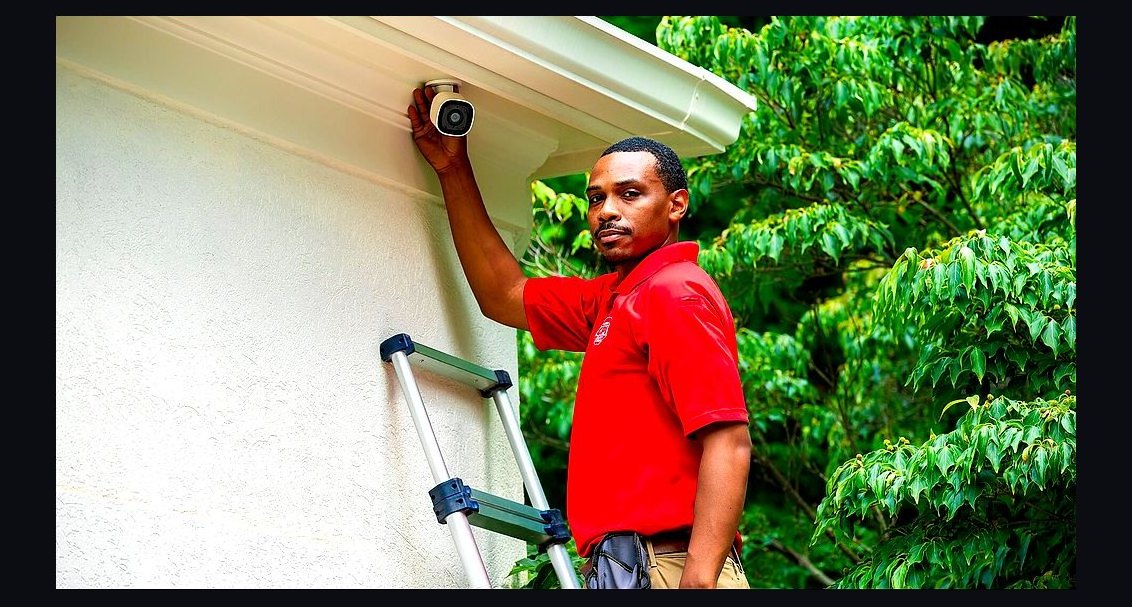
The second question is how much the buyer values knowing who shows up. CPI's in-house W-2 technicians mean the person at the door is a company employee with company training and a company manager accountable for the work. National providers that lean on subcontractor networks introduce variability — a great crew in one market, a rushed one in another. For buyers who have had a bad subcontractor experience before, this factor alone often decides it.
The third question is smart-home ambition. If the goal is a tightly integrated ecosystem where one app controls everything and the hardware is designed to work only with itself, Vivint's proprietary stack is genuinely strong. If the goal is flexibility — mixing a Yale lock with a Ring camera with a Honeywell sensor — CPI's use of standard platforms like Qolsys panels and Z-Wave devices gives more room to mix and match. The trade-off is that CPI's automation features are reliable rather than cutting-edge.

The fourth question is contract tolerance. Buyers who want an exit path should look closely at term lengths and early termination terms. CPI has historically offered more flexible structures than the multi-year agreements common with national providers, though exact terms change and should be verified directly at the time of purchase.
Concrete numbers behind each option
Numbers make the comparison tangible, though any figure here should be re-verified at purchase because pricing and terms shift year to year.
On scale, CPI Security serves more than 230,000 residential and commercial accounts and employs over 700 people, with recent counts near 750. ADT serves millions of customers nationally; Vivint serves roughly two million. CPI's footprint spans the Carolinas, Tennessee, and Georgia, with its main campus at 4300 Sandy Porter Road in Charlotte concentrating engineering, monitoring, customer service, and corporate functions under one roof.
On monitoring, CPI operates its own NC-based center staffed by employees. ADT routes through a national network of monitoring centers; Vivint uses a mix of in-house and contracted monitoring. The practical difference shows up in dispatch familiarity — an operator who knows local police protocols in Cary or Ballantyne can verify and dispatch faster than a call taker reading an unfamiliar address.

On installation, CPI uses in-house W-2 technicians. ADT and Vivint commonly rely on dealer and subcontractor networks for at least part of their install volume. This affects consistency more than headline capability.
On reputation, CPI holds an A+ Better Business Bureau rating with a 4.5-star average across more than 2,400 third-party reviews and a Trustpilot rating near four stars across over 2,600 reviews. Complaint volume relative to customer base is a frequently cited differentiator, though buyers should read recent reviews rather than relying on aggregate scores alone.
On pricing, CPI's standard monitoring plans have historically started in the range of roughly $35 to $45 per month for basic interactive service, with video-inclusive tiers running higher. National competitors occupy overlapping ranges, and DIY providers undercut everyone. Installation fees, equipment costs, and promotional waivers vary, so the monthly headline number rarely tells the full story.
On recognition, CPI was named SDM Dealer of the Year in 2019 and earned a Monitoring Center of the Year designation in 2023, along with a Police Quality Dispatch Award for false-alarm reduction. Those awards speak to monitoring quality specifically, which is the part of the service a customer only notices when something goes wrong.
On community investment, CPI committed one million dollars to Hurricane Helene relief in 2024, a scale of local commitment that a national provider's regional office rarely matches.
Implementation details and sequencing

For a buyer moving forward with CPI, or comparing it seriously against a national provider, the practical sequence matters as much as the brand choice.
Start with a room-by-room walkthrough before any sales conversation. Identify entry points, ground-floor windows, garage access, and any outbuilding or detached structure. This inventory determines sensor count and camera placement, and it prevents the common mistake of buying a package size rather than a coverage plan. A provider that sends a technician to do this assessment in person has an advantage over one that quotes from a phone script.
Next, clarify the monitoring tier. Basic interactive service typically covers cellular backup, smartphone control, and alarm response. Video monitoring, smart locks, and garage control usually sit in higher tiers. Decide which of those the household will actually use rather than which sound appealing — paying for camera storage nobody reviews is a common waste.
Then scrutinize the contract terms directly. Ask for the term length, the early termination formula, whether equipment is owned or financed, and what happens to monitoring if the customer moves within the service area. Get the answers in writing. This step is where regional flexibility often shows up as a concrete advantage.

After installation, verify the system end to end. Test every sensor, confirm the panel communicates over cellular backup, and place a test call to monitoring to confirm the account details are correct. A surprising share of post-install complaints trace back to a sensor that was never properly enrolled or a contact list that was never updated.
Finally, set a review cadence. Update the monitoring contact list when household members change, test the system quarterly, and check battery status on wireless sensors annually. These small habits preserve the value of the install far better than any brand choice.
For commercial buyers, the sequence adds a layer. A small business needs to map coverage to opening and closing procedures, integrate access control with the alarm system, and decide whether fire monitoring is in scope. CPI serves commercial customers with intrusion detection, video surveillance, access control, and fire alarm monitoring, and the local service model matters more for a business than a home because a failed sensor can mean a lost day of revenue rather than a single anxious night.
Related questions
Is CPI Security only available in North Carolina?

No. CPI is headquartered in Charlotte with its monitoring center there, but it serves customers across the Carolinas, Tennessee, and Georgia, including metros like Raleigh, Greensboro, Columbia, Knoxville, Nashville, and Atlanta. Its footprint is regional, not nationwide.
How does CPI's monitoring compare to ADT or Vivint?
CPI operates its own NC-based monitoring center staffed by local employees. ADT routes through a national network, and Vivint uses a mix of in-house and contracted monitoring. The practical difference is region-aware dispatch and faster verification in CPI's core markets.
Are CPI installers employees or subcontractors?
CPI uses in-house W-2 installer teams, not subcontractors. Technicians are directly employed, trained, and supervised by the company. ADT and Vivint commonly rely on dealer or subcontractor networks for at least part of their install volume, which can introduce variability.
What equipment does CPI use?
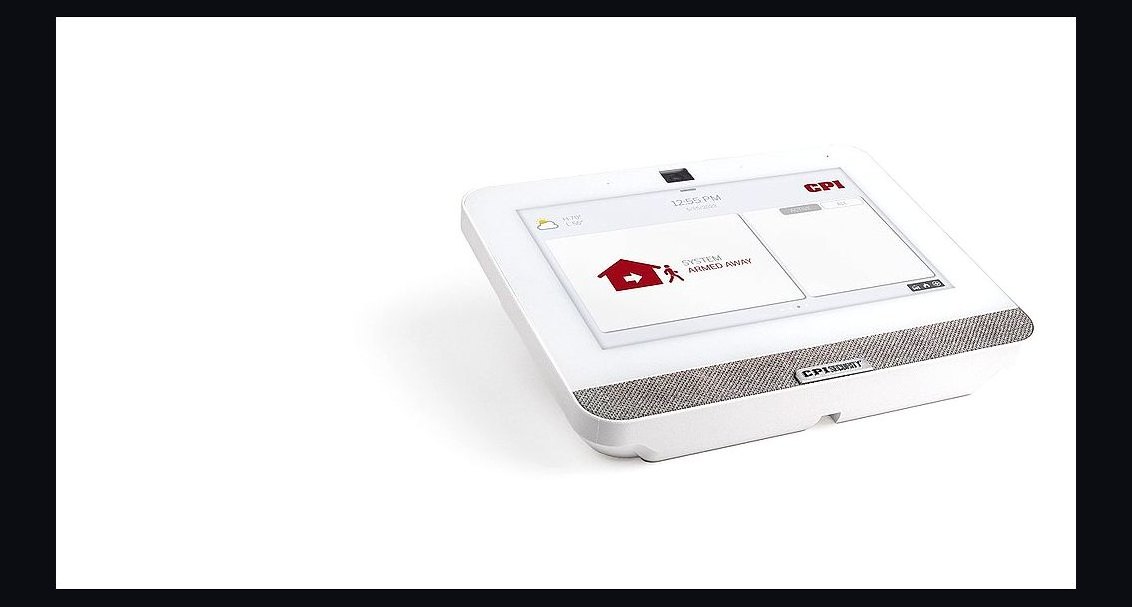
CPI's systems are built around standard platforms such as Qolsys touchscreen panels and Honeywell sensors, with Z-Wave support for third-party smart devices. That open approach lets customers mix brands rather than committing to a single proprietary ecosystem, though it offers less cutting-edge automation than Vivint's integrated stack.
How does CPI's pricing compare?

CPI's monitoring has historically started in the mid-$30s to mid-$40s per month for basic interactive service, with video tiers higher. National competitors overlap that range, and DIY providers undercut it. Exact pricing, install fees, and promotions vary, so verify current terms directly.
FAQ
Does CPI Security serve commercial properties as well as homes? Yes. CPI serves both residential and commercial customers, with commercial offerings that include intrusion detection, video surveillance, access control, and fire alarm monitoring. The local service model tends to matter even more for businesses, where a failed sensor can disrupt operations and revenue rather than just causing a single night of worry.
What makes CPI different from a DIY system like SimpliSafe or Ring Alarm? The core difference is professional installation by a trained employee and in-house monitoring. DIY systems trade that accountability for lower upfront cost and self-install convenience. If you want someone else responsible for whether the system actually works, CPI's model fits better; if you want the lowest possible monthly cost and don't mind mounting sensors yourself, DIY wins.
Is CPI Security a national company?

No. CPI is a regional provider concentrated in the Southeast — the Carolinas, Tennessee, and Georgia. That regional focus is deliberate and is the source of its advantages in monitoring familiarity, installer accountability, and service responsiveness. Customers who move outside the footprint would need a different provider.
How long has CPI Security been in business? CPI was founded in 1991 in Charlotte, North Carolina by Ken Gill, starting with roughly ten employees and a few hundred customers. It has grown into one of the ten largest security providers in the United States while remaining headquartered and monitoring in Charlotte.
What awards has CPI Security received? CPI was named SDM Dealer of the Year in 2019 and earned a Monitoring Center of the Year designation in 2023, along with a Police Quality Dispatch Award from the Security Industry Alarm Coalition for reducing false alarms and improving dispatch quality. Those honors reflect investment in monitoring operations specifically.
Should I choose CPI over ADT or Vivint? It depends on your situation. If you live in the Southeast, value local accountability, and want flexible hardware, CPI is a strong fit. If you move frequently across states or want a tightly integrated proprietary smart-home ecosystem, a national provider may serve you better. Verify current pricing and contract terms before deciding.
Sources
- CPI Security About page
- CPI Security awards and testimonials
- CPI Security Hurricane Helene relief commitment
- CPI Security BBB profile
- CPI Security Trustpilot reviews
- SafeHome CPI Security review
- CPI Security Charlotte locations page
- Ken Gill founder profile on The Org
Related on PULSE
- CPI Security vs ADT in 2027 — head-to-head for NC and Southeast homeowners
- Vivint vs CPI Security in 2027 — what Vivint does better
- CPI Security complaint volume in 2027 — how it stacks vs ADT, Vivint, SimpliSafe
- Why ADT's Google Nest integration beats CPI's stack in 2027
- What happens to your 2027 GTM strategy when your CRM provider buys your MAP vendor?
- What are the LLM API provider selection criteria in 2027?
This page will be disappearing soon. Save it to your device for $1 — or read it free while it is here.
@Kory-White- · if Venmo asks, the last 4 of my number are 2012
This page is gone.
This one is off the shelf now. $1 keeps it on your phone for good — the whole page, pictures and diagrams included.
 cpi-securityCPI Security alarm response times — when monitoring fails in 2027
 cpi-securityCPI Security complaint volume — how it stacks vs ADT, Vivint, SimpliSafe in 2027
 cpi-securityIs CPI Security's pricing transparent — or are there hidden contract traps in 2027?
 cpi-securityCPI Security's lifetime warranty fine print — what's not covered in 2027
 cpi-securityCPI Security and moving — what happens to your contract when you relocate in 2027
 cpi-securityCPI Security vs ADT — head-to-head for NC and Southeast homeowners in 2027
 cpi-securityCPI Security camera quality — what reviews show vs Ring and Arlo in 2027
 cpi-securityWhy ADT's Google Nest integration beats CPI's stack in 2027?
 cpi-securityCPI Security customer service hold times — when local NC still leaves you on hold in 2027
 cpi-securityHow hard is it to cancel CPI Security service in 2027? The retention friction