


CPI Security's video doorbell vs Ring and Nest — the quality gap in 2027
Quality
Certified
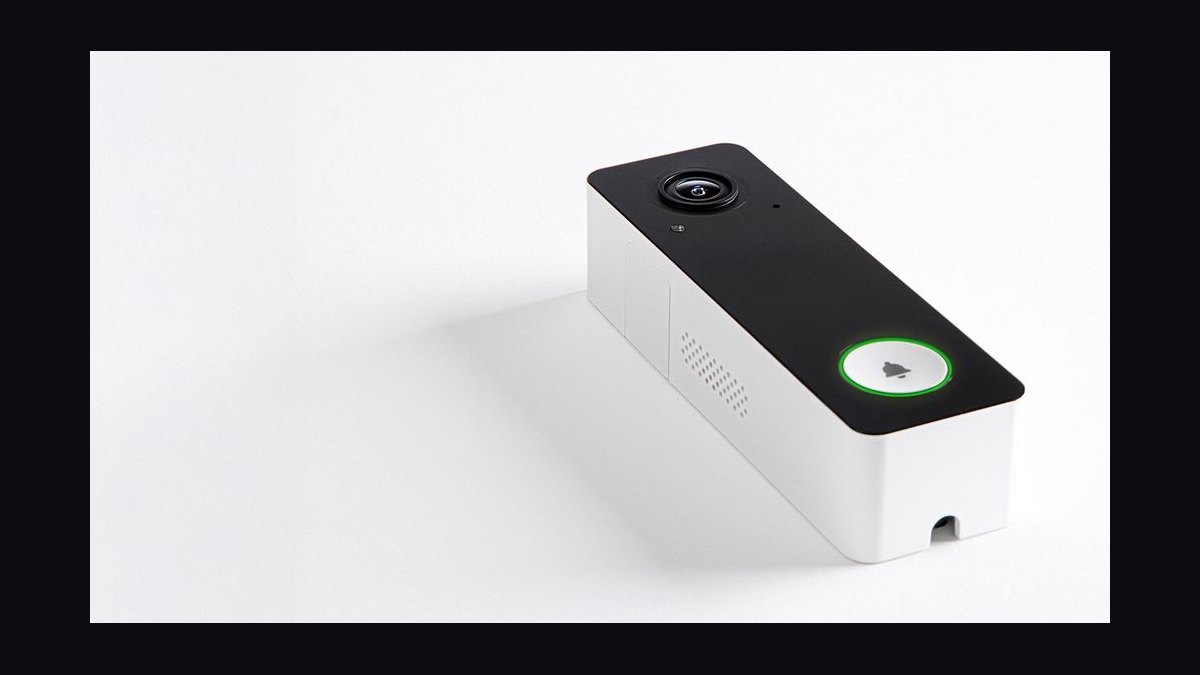
CPI Security's video doorbell trails Ring and Nest on 2027 quality by a wide, measurable margin. CPI's Video Doorbell Pro claims 1920x1440 resolution and a 150-degree field of view, but real-world owners report missed motion events, 30-to-60-second app load times, and repeat hardware failures. Ring and Nest deliver sub-3-second live view, on-device AI, and no mandatory contract.
The outcome you should expect
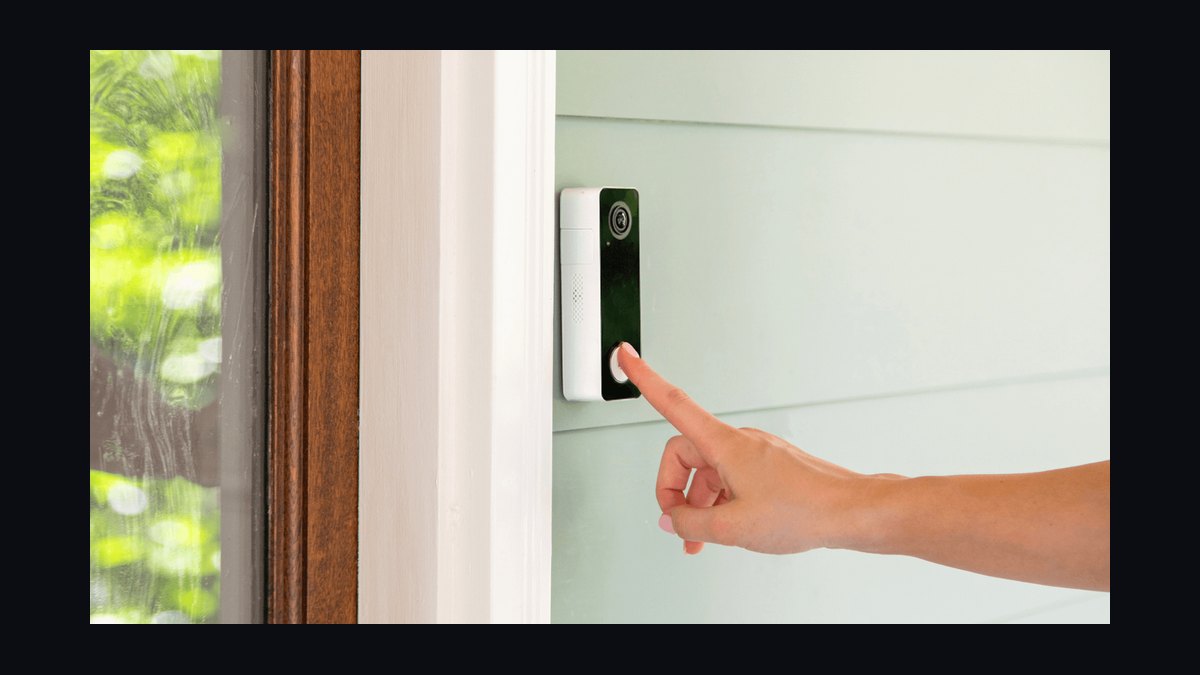
If you buy a CPI Security doorbell in 2027, expect a device that looks competitive on a spec sheet and disappoints in daily use. The pattern documented across review platforms is consistent: the unit performs acceptably for six to nine months, then degrades. Connection drops become routine. Motion alerts miss delivery drivers who approach at an angle. The doorbell button press sometimes fails to trigger a phone notification at all. When you open the inTouch app to check live video, you wait.
That wait is the part that breaks the product's core promise. A video doorbell exists to answer one question faster than walking to the door: who is there? CPI's app cold-start routinely runs 30 to 60 seconds, with users describing "Retry" and "Troubleshoot" spinners before video loads. Ring and Nest both push live view in under three seconds. By the time a CPI owner sees the visitor, the visitor has often left. The device technically records the event, but it fails the real-time job it was installed to do.
The cost outcome compounds the quality outcome. A Ring Pro 2 runs roughly $230 upfront with optional cloud storage. A Nest Doorbell Wired runs about $180. CPI bundles its doorbell into a professionally monitored contract of 36 to 60 months at $45 to $60 per month — $1,620 to $3,600 in committed spend. Cancel early and you owe 75 to 100 percent of the remaining balance. The doorbell is firmware-locked to CPI's cloud and stops functioning as a standalone camera if you leave. You are not buying a doorbell. You are leasing one.
What drives that outcome
Three structural forces explain the gap: hardware generation, software platform age, and business model incentives. Each compounds the others.
Hardware generation. CPI's Doorbell Pro sensor is a generation behind. Ring's Pro 2 uses a larger CMOS sensor with third-generation HDR processing that recovers faces in high-contrast porch lighting. Nest's wired unit pairs aggressive HDR with a 3:4 aspect ratio that frames a person head-to-toe and the package on the ground in one shot. CPI's wider 16:9-style crop forces a trade-off: see the face or see the package, not both. Resolution numbers mislead here — 1920x1440 is more pixels than Ring's 1536p, but pixel count without sensor size, low-light performance, and HDR is a marketing figure, not a quality figure.
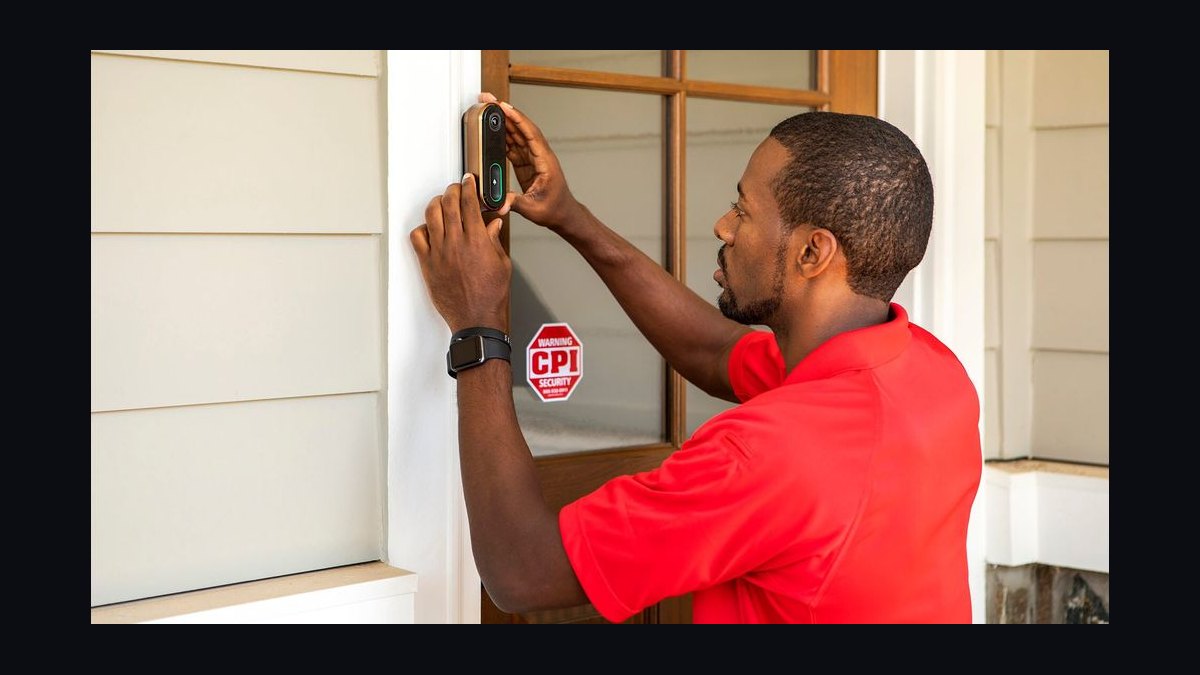
Software platform age. CPI's inTouch app was not engineered for modern smart-home device density. Owners report "too many devices" errors with no in-app removal option, forcing a support call to delete a device they own. Ring and Nest both invested heavily in push-notification latency, deep-link app launches that skip straight to live video, and ecosystem fan-out — a doorbell press mirrors to an Echo Show, Fire TV, Pixel Tablet, or Nest Hub Max. CPI's notification reaches your phone and only your phone, often two to four seconds late, and the app frequently demands re-authentication on cold start.
Business model incentives. Ring and Nest sell hardware and let you choose month-to-month cloud storage. CPI sells contracts and treats the doorbell as a retention hook. That difference explains firmware cadence: Ring and Nest push OTA updates silently overnight and publish status pages with root-cause analyses after outages. CPI bundles firmware updates with technician visits and communicates outages by phone, if at all. When your revenue comes from the contract, not the device, the device does not need to improve.
The diagram shows why the gap is not fixable with a firmware patch. Hardware generation determines what the sensor can capture. Platform age determines how fast you see it. Business model determines whether the vendor is motivated to close either gap. CPI would need to rebuild the sensor stack, rewrite the app's connection layer, and abandon the contract-lock model to reach parity. None of those are on the 2027 roadmap.
Benchmarks and realistic ranges
Practitioners comparing these three products need numbers, not adjectives. Here is what the documented ranges look like across the dimensions that matter.
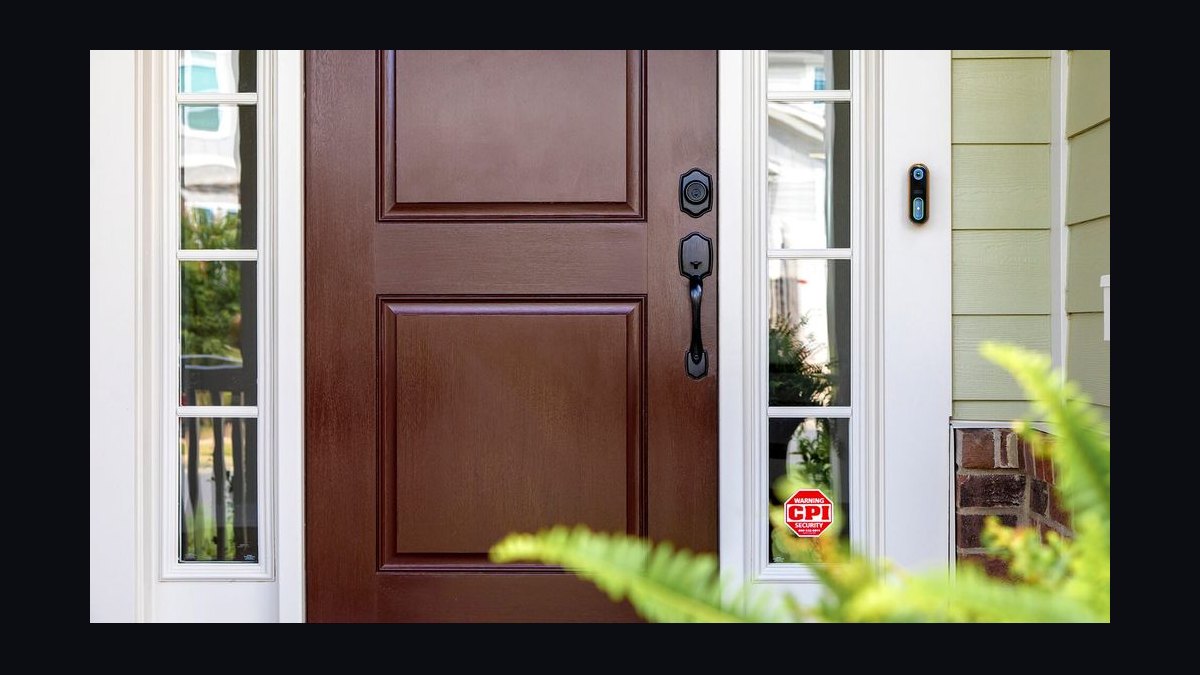
Push-to-live latency. Ring Pro 2 and Nest Doorbell Wired both land under three seconds from button press or motion trigger to live video on screen, with many users reporting sub-two-second performance on good Wi-Fi. CPI's inTouch app runs 30 to 60 seconds on cold start, with the "Retry" and "Troubleshoot" spinner pattern documented repeatedly. Warm starts are faster but still typically five to 15 seconds. That is a ten-to-twenty-fold gap on the single most important metric.
Motion detection accuracy. Ring's 3D Motion Detection with radar and Nest's on-device familiar-face recognition both distinguish people from packages from pets from passing cars. CPI's IVAN motion AI is a respectable third entry but lags on that differentiation — the exact capability that determines whether your phone buzzes four times a day or forty. Owners describe motion events that miss people unless they stand directly on the welcome mat.
Field of view and framing. CPI claims 150 degrees. Ring Pro 2 also claims 150 degrees but adds radar and head-to-toe framing. Nest's wired unit runs 145 degrees with a 3:4 aspect ratio that captures head-to-toe plus the ground. The degree figure is roughly comparable; the framing outcome is not.
Hardware lifespan. Ring and Nest units typically run several years without replacement. CPI owners on review platforms document replacements at a rate one user described as three units in 18 months. Even allowing for selection bias in complaint forums, the replacement cadence is materially higher.
Total three-year cost. Ring Pro 2: roughly $230 hardware plus optional $5/month cloud, or about $410 over three years with a plan. Nest wired: about $180 plus optional $8/month, or roughly $468. CPI: $1,620 to $3,600 in committed contract spend, with early termination penalties of 75 to 100 percent of remaining balance. The gap is not a rounding error. It is the entire purchase decision.
Ecosystem integration. Ring fans out to Alexa devices, Fire TV, and Echo Show. Nest fans out to Google Home, Nest Hub Max, Pixel Tablet, and Chromecast. CPI's doorbell reaches the inTouch app and nothing else. If you already live in either ecosystem, the integration advantage is immediate and free.
Portability and resale. Ring and Nest units transfer to a new owner with a 60-second account handoff. CPI hardware does not transfer — the buyer must sign a fresh CPI contract or the doorbell comes off the wall. Real-estate agents in CPI's Southeast footprint have started flagging this to sellers. Landlords running short-term rentals face the same problem: a CPI doorbell is married to one account, one address, and one contract for its lifetime.
Risks, edge cases, and failure modes
The quality gap is not uniform across every buyer. There are edge cases where CPI's doorbell makes sense, and failure modes that catch even informed buyers off guard.
Edge case: you want one vendor and one bill. If you are buying a full professionally monitored security system and you value a single throat to choke when something breaks, bundling the doorbell into a CPI package can reduce vendor-management overhead. That is a real benefit. It is also a different question than doorbell quality. You are paying a premium for consolidation, not for a better camera.
Edge case: you are already inside a CPI contract. If you have 24 months left on a CPI monitoring agreement, adding a Ring or Nest doorbell alongside your CPI system is often the better move than fighting CPI support for a swap. Both competitors sell standalone units that work on any Wi-Fi network and do not require you to cancel anything. You keep CPI for the alarm panel and add a competent doorbell from a vendor that ships firmware overnight.
Failure mode: assuming resolution equals quality. The most common mistake buyers make is comparing pixel counts. CPI's 1920x1440 beats Ring's 1536p on paper. In practice, sensor size, HDR processing, and low-light performance determine whether you can identify a face at night. A higher pixel count on a weaker sensor produces more pixels of an unusable image.
Failure mode: underestimating the contract math. The $45 to $60 monthly figure feels manageable in isolation. Multiplied across a 36-to-60-month term, it is $1,620 to $3,600. Buyers who cancel at month 18 because the doorbell keeps failing discover they owe most of the remaining balance. Read the termination clause before signing, not after the third replacement.
Failure mode: assuming the doorbell survives a move. CPI hardware is firmware-locked to CPI's cloud and its Southeast service footprint. Move to a city outside that footprint and the doorbell is a paperweight. Ring and Nest units work the same in Charlotte as in Seattle. If there is any chance you relocate within the contract term, this alone should decide the purchase.
Failure mode: relying on the doorbell as your only visitor camera. Because CPI's motion detection misses angled approaches and the app takes 30 to 60 seconds to load live view, some owners add a second camera to cover the gap. That works, but it means you paid contract prices for a primary device that functions as a backup.
Failure mode: support cycle fatigue. CPI's documented response to hardware failure is to schedule a technician, swap the unit, and wait 7 to 14 days. If the replacement fails the same way — which the review corpus suggests happens — you repeat the cycle. Each cycle costs you time off work and a period with no working doorbell. Ring and Nest handle most failures with a firmware push or a mailed replacement.
A practical rollout plan
If you are deciding what to buy, or you already own a CPI doorbell and want to fix the problem, here is a sequence that works.
Step 1: Audit your current setup. Write down what you actually have: which doorbell, which monitoring contract, months remaining, monthly cost, and early termination penalty. If you are pre-purchase, skip to step 3.
Step 2: Quantify the gap for your household. Track one week of doorbell events. How many times did the app take more than 10 seconds to load live view? How many deliveries did you miss? How many motion alerts fired for things that were not people? That number is your personal quality gap, and it tells you whether the switching cost is worth it.
Step 3: Choose the right competitor for your ecosystem. If you own Alexa devices, Ring Pro 2 is the natural fit — Echo Show and Fire TV fan-out is free. If you own Google Home, Nest Hub, or Pixel devices, Nest Doorbell Wired is the fit. If you own neither, either works; pick on price and wiring.
Step 4: Verify your wiring and Wi-Fi. Both Ring Pro 2 and Nest wired units need existing doorbell wiring and a transformer in the right voltage range. Check the transformer rating before ordering. Confirm your doorbell location gets at least two bars of Wi-Fi, or plan a mesh node near the door.
Step 5: Install alongside, not instead of, if you are mid-contract. Mount the Ring or Nest unit on a second door or use a mount that coexists with the CPI unit. Do not cancel CPI mid-term unless the termination penalty is smaller than the remaining contract value.
Step 6: Configure notifications and test. Set motion zones to exclude the street. Enable person-only alerts. Test the button press from a phone on cellular, not just Wi-Fi, so you know the real-world latency. Do this on day one, not after the first missed delivery.
Step 7: Plan the contract exit. If you intend to leave CPI, note the exact end date and the notice period required. Calendar it 60 days out. Do not let an auto-renewal lock you into another term.
The plan works whether you are pre-purchase or mid-contract. The key insight is step 5: you rarely need to cancel CPI to fix the doorbell problem. You need to stop relying on the CPI doorbell as your primary visitor camera. Adding a $180 to $230 Ring or Nest unit alongside your existing system solves the quality gap immediately, at a fraction of the contract cost, and leaves you free to exit CPI at the natural end of your term.

For RevOps and procurement teams evaluating security vendors for multi-site offices, the same logic applies at scale. A single CPI contract across 20 locations locks all 20 doorbells to one vendor's firmware cadence and one support queue. Ring and Nest units deploy per-site, transfer between tenants, and integrate with existing Alexa or Google infrastructure. The total cost of ownership math favors the standalone vendors by a wide margin once you multiply the contract premium across sites.
Related questions
Does CPI's doorbell work without a monitoring plan?
No. CPI locks the doorbell to its inTouch system. Cancel the monitoring contract and the camera stops functioning as a standalone Wi-Fi device. You cannot use it as a simple chime or camera without an active plan.
How does CPI's video quality compare to Ring and Nest in 2027?
CPI claims 1920x1440 and 150 degrees, but owners report inconsistent clarity and missed motion. Ring Pro 2 and Nest wired deliver sharper, more reliable video with on-device AI that separates people, packages, and pets.
What is the typical latency for CPI's doorbell?
CPI's inTouch app often takes 30 to 60 seconds to connect on cold start, with frequent "Retry" or "Troubleshoot" spinners. Ring and Nest both achieve sub-3-second push-to-live latency, making real-time viewing far more reliable.
How often do CPI doorbells need replacement?

Owners on review platforms report replacements as often as three times in 18 months due to hardware failures. Ring and Nest units typically last several years without replacement, though neither is flawless.
What is the total three-year cost of a CPI doorbell?
CPI requires a 36-to-60-month contract averaging $45 to $60 monthly, totaling $1,620 to $3,600. A Ring Pro 2 costs about $230 upfront with optional $5/month storage; Nest wired runs about $180 with optional $8/month.
FAQ
Does CPI Security's video doorbell work without their monitoring plan? No. CPI locks the doorbell to its inTouch system, and if you cancel the monitoring contract, the camera stops functioning as a standalone Wi-Fi device. You cannot use it as a simple chime or camera without an active plan. Ring and Nest units, by contrast, work on any Wi-Fi network with or without a cloud subscription.
How does CPI's video quality compare to Ring and Nest in 2027? CPI's Video Doorbell Pro claims 1920x1440 resolution and a 150-degree field of view, but real-world users report inconsistent clarity and missed motion events. Ring's Pro 2 and Nest's wired model deliver sharper, more reliable video with on-device AI that distinguishes people, packages, and pets. Pixel count favors CPI on paper; sensor size, HDR, and processing favor the competitors in practice.
What is the typical latency for CPI's doorbell versus competitors?
CPI's inTouch app often takes 30 to 60 seconds to connect on cold start, with frequent "Retry" or "Troubleshoot" spinners. Ring and Nest both achieve sub-3-second push-to-live latency in 2027, making real-time viewing far more reliable. That gap is the difference between answering the door and watching a recording of someone who already left.
How often do CPI doorbells need replacement? Owners on Consumer Affairs and Angi report needing replacements as often as three times within 18 months due to hardware failures. This is significantly higher than Ring or Nest, which typically last several years without issues. The replacement cycle also involves technician visits and 7-to-14-day waits, compounding the disruption.
What is the total cost of CPI's doorbell over three years? CPI requires a 36-to-60-month monitoring contract averaging $45 to $60 per month, totaling $1,620 to $3,600 in committed spend. A Ring Pro 2 costs around $230 upfront with optional $5/month cloud storage, and Nest's wired model is about $180 with optional $8/month. Early cancellation of a CPI contract triggers penalties of 75 to 100 percent of the remaining balance.
Can CPI's doorbell detect motion accurately? Real-world feedback indicates motion detection often misses people unless they stand directly on the welcome mat. Ring and Nest both offer advanced on-device AI that reliably distinguishes people, packages, and pets, with free baseline event history. For a device whose job is knowing when someone is at the door, that accuracy gap is the whole product.
Sources
- CPI Security Systems Reviews & Complaints — Consumer Affairs
- CPI Security System Review — SafeHome
- Ring vs CPI Security — Top Consumer Reviews
- CPI Security Review — Top Consumer Reviews
- CPI Video Doorbell Pro Review — CPI Security blog
- CPI Security inTouch — Apple App Store
- Ring Video Doorbell Pro 2 — Ring official product page
- Nest Doorbell Wired — Google Store
- Best Video Doorbells of 2026 — CNET
- Video Doorbell Ratings — Consumer Reports
Related on PULSE
- Why ADT's Google Nest integration beats CPI's stack in 2027?
- CPI Security camera quality in 2027 — what reviews show vs Ring and Arlo
- CPI Security vs Ring Alarm in 2027 — when DIY beats pro-installed
- CPI Security installation quality in 2027 — the documented technician complaints
- CPI Security contract terms in 2027 — what to check before signing
This page will be disappearing soon. Save it to your device for $1 — or read it free while it is here.
@Kory-White- · if Venmo asks, the last 4 of my number are 2012
This page is gone.
This one is off the shelf now. $1 keeps it on your phone for good — the whole page, pictures and diagrams included.
 cpi-securityIs CPI Security's pricing transparent — or are there hidden contract traps in 2027?
 cpi-securityCPI Security's hidden internet dependency — when WiFi outages disable your alarm in 2027
 cpi-securityCPI Security false alarms and city fines — what customers don't know in 2027
 cpi-securityCPI Security customer service hold times — when local NC still leaves you on hold in 2027
 cpi-securityCPI Security's tiered support experience — when 'all customers matter' actually means VIPs first in 2027
 cpi-securityHow hard is it to cancel CPI Security service in 2027? The retention friction
 cpi-securityCPI Security equipment lock-in — can you switch providers in 2027?
 cpi-securityCPI Security's inTouch app reliability — what reviews show in 2027
 cpi-securityCPI Security's Alarm.com dependency — the third-party risk in 2027
 cpi-securityWhy CPI Security's long-tenure customers feel like they're being squeezed in 2027?