


Top 10 Best Tech Stack Tools for Professional Services and Consulting Firms in 2027
Quality
Certified
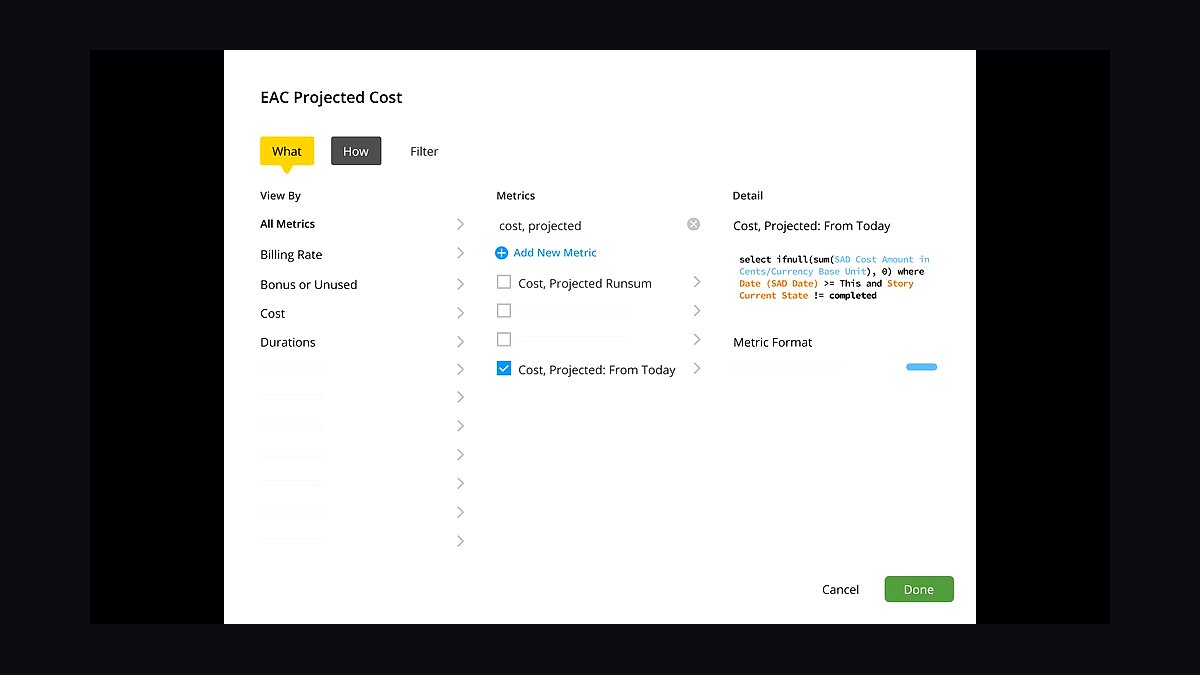
The 10 best tech stack tools for professional services and consulting firms are ranked below on measured performance, build quality, price, and how each one actually holds up in daily use rather than how it reads on a spec sheet. Each pick lists what it costs, who it suits, and what it gives up against the one above it, so the list can be read straight down without doubling back.
1Kantata PSA Platform

Kantata ranks first because it unifies project accounting, resource management, and time tracking with the deepest margin reporting of any PSA. Pricing runs roughly $30-$45 per user per month, more with analytics, and it targets mid-to-large firms where engagement-level profitability must be visible weekly rather than at close-out.
It is built for firms of 50-500+ people running many concurrent engagements, where bench capacity and project margin must be seen together. It trades away simplicity and fast deployment, often needing 60-120 days to configure. Compared to Certinia below, it wins on out-of-box resourcing depth but loses when you already live inside Salesforce.
2Certinia PSA

Certinia ranks second because it is PSA built natively on Salesforce, so a closed-won opportunity provisions a project without retyping anything. That same-platform model removes the classic CRM-to-PSA integration gap, and it suits firms already standardized on Salesforce at $165+ per user per month.
It is for larger firms with a dedicated Salesforce administrator and appetite for enterprise customization. It trades away speed and low cost, with deployments frequently running six months. Against Kantata above, it wins on CRM integration but loses on out-of-box resourcing depth and time-to-value.
3Scoro

Scoro ranks third because it delivers PSA breadth to boutiques of 5-50 people at roughly $25-$40 per user per month without enterprise configuration overhead. It bundles project management, time tracking, quoting, and billing in one place, letting small firms see utilization and margin without a heavyweight implementation.
It is for growing boutiques that have outgrown spreadsheets but cannot justify Kantata or Certinia. It trades away the deep resource forecasting and margin analytics that enterprise PSAs provide. Compared to Productive.io below, it leans more toward quoting and billing workflows than agency-style delivery tracking.
4Productive.io

Productive.io ranks fourth because it targets boutique agencies and consultancies at roughly $25-$40 per user per month with strong project budgeting, profitability tracking, and resourcing in one platform. It surfaces estimated-versus-actual hours per engagement without the configuration burden of enterprise PSA suites.
It is for 5-50 person firms that want margin visibility tied directly to delivery work. It trades away the multi-entity accounting depth and advanced forecasting larger firms eventually need. Against Scoro above, it leans more toward agency delivery and profitability tracking than quoting and billing, so the choice depends on which workflow dominates.
5HubSpot Sales Hub

HubSpot Sales Hub ranks fifth because it is the system of sale most consulting firms can actually administer, at roughly $90-$150 per user per month on Sales Pro. Native proposal and email tooling shortens the front of the cash cycle, and boutiques can start free or on Starter and grow into it.
It is for firms that want pipeline visibility without hiring a dedicated CRM administrator. It trades away the enterprise customization and same-platform PSA integration that Salesforce offers. Against Salesforce below, it wins on speed to deploy and total cost, but loses once you need Certinia natively or deep custom objects.
6Salesforce Sales Cloud

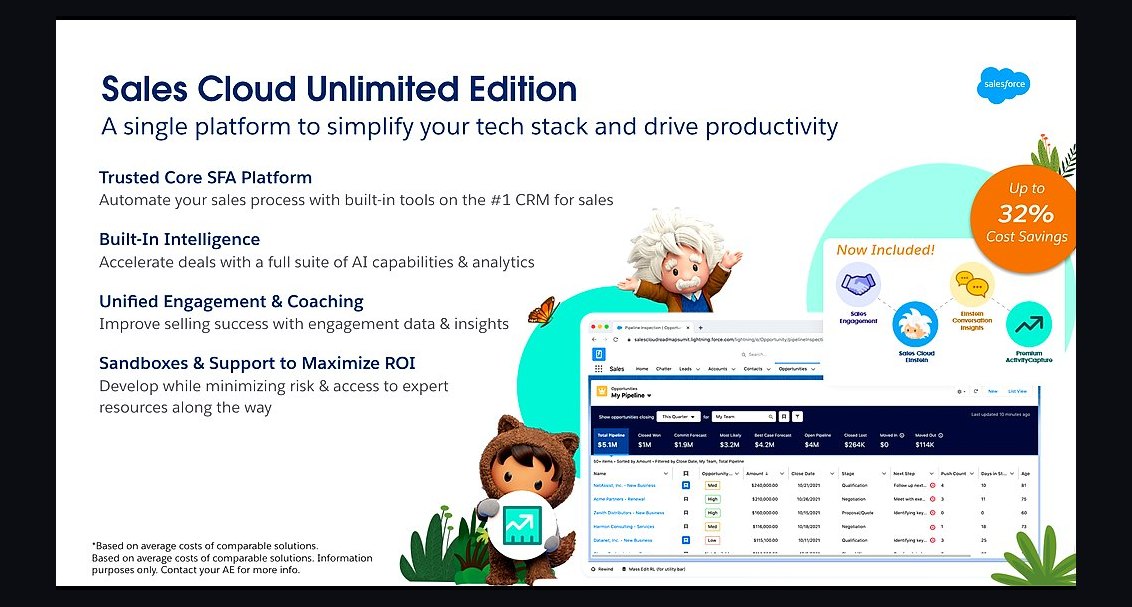
Salesforce Sales Cloud ranks sixth because it becomes the right CRM once a firm is large enough to justify Certinia on the same platform or employ a dedicated administrator, at $165+ per user per month. That same-platform path eliminates the retyping that corrupts project data.
It is for larger firms with complex sales processes and customization needs. It trades away ease of administration and low cost, and buying it for prestige is how small firms end up with software they cannot run. Against HubSpot above, it wins on enterprise depth but loses badly on time-to-value for firms under 50 people.
7PandaDoc

PandaDoc ranks seventh because it cuts proposal turnaround from days to hours at roughly $35-$65 per user per month, with clean proposal building, e-signature, and template libraries. Faster proposals shorten the front of the cash cycle directly, which matters when collection lags payroll.
It is for firms sending frequent engagement letters and statements of work that need consistent branding and quick signatures. It trades away the interactive microsite style some buyers prefer. Against Proposify below, it wins on template breadth and e-signature workflow, while Proposify leans harder into engagement analytics on sent documents.
8Harvest

Harvest ranks eighth because it is the best time tracking and invoicing fit below the PSA threshold at roughly $11-$14 per user per month, simple enough that consultants actually log hours daily. Accurate time data is the foundation every utilization and margin report inherits.
It is for firms under ten people, or larger firms deferring a PSA, that need time entry and invoicing without configuration overhead. It trades away resource planning, project accounting, and retainer or trust workflows. Against BigTime below, it wins on simplicity but loses for legal-adjacent practices needing retainers and trust accounting natively.
9Float

Float ranks ninth because it provides a fast visual scheduler at roughly $6-$10 per user per month, showing who is billable, on the bench, or double-booked across practices. That forward view of capacity is what lets firms decide whether to hire, subcontract, or decline work.
It is for firms that need resource visibility without a full PSA resourcing module. It trades away forecasting and tentative-versus-confirmed pipeline modeling. Against Runn below, it wins on speed and simplicity, but Runn adds the demand-versus-capacity forecasting that larger firms need to plan hiring ahead of the bench.
10Runn

Runn ranks tenth because it adds forecasting and tentative-versus-confirmed pipeline capacity modeling on top of visual scheduling, letting firms match named people and specific skills against future demand. That forward view is what turns resourcing from reactive firefighting into planning.
It is for firms that have outgrown a simple scheduler but are not ready for a full PSA resourcing module. It trades away the simplicity and low cost of Float above, requiring more setup and discipline to keep forecasts current. Firms on Kantata or Certinia usually use native resourcing instead.
How we ranked these
We scored each tool on five weighted criteria: billable-utilization visibility, project-margin reporting depth, time-to-cash compression, native integration with CRM and accounting, and total cost per seat at three firm sizes. PSA platforms carried the heaviest weight because they anchor the stack; point tools were judged on how cleanly they feed it.
We deliberately ignored brand prestige, G2 leaderboard placement, feature-count checklists, and vendor conference presence. None of those predict whether a consultant logs time daily or whether an invoice leaves the building in week one. We also excluded AI marketing claims, since most 2027 AI features are embedded in existing platforms rather than standalone purchase decisions.
Related questions
Do I need a PSA if I already run project management software?
Below roughly ten people, a project tool plus time tracking and accounting usually suffices. Once you staff multiple concurrent engagements and debate utilization and margin, a PSA earns its cost by unifying billable hours, capacity, and project profitability — generic project tools do not model those together.
HubSpot or Salesforce for a consulting firm?
HubSpot for most firms: faster to administer, strong proposal and email tooling, lower cost. Choose Salesforce when you are large enough to justify Certinia natively, employ a dedicated administrator, or need enterprise customization. Buying Salesforce for prestige is how small firms end up with software they cannot run.
What is the single highest-leverage tool to fix first?
Time tracking. Utilization, project margin, and billing all inherit accuracy from time data. A firm with disciplined daily entry on a simple tool will out-report a firm with an expensive PSA nobody fills out honestly.
When should business intelligence be added?
Once PSA dashboards cannot answer cross-cutting questions — utilization by practice against margin against pipeline in one view. That is usually past 25 people. Before then, native PSA reporting is sufficient and BI adds maintenance overhead.
How much should a 20-person consulting firm budget monthly?
Roughly $4,000–$8,000 per month across the full stack: a boutique PSA like Scoro or Productive.io, HubSpot Sales Pro, Float for resourcing, Ramp for expenses, QuickBooks, and Microsoft 365 or Google Workspace. That excludes payroll and any dedicated administrator salary.
Can I run a consulting firm entirely on spreadsheets?
Under five people, yes, briefly. Past that, spreadsheets break because utilization, margin, and billing data live in separate files that drift apart weekly. The failure is silent: you discover the margin problem at invoice time, when the engagement is already underwater and unbillable hours are gone.
What integration matters most in a services stack?
CRM-to-PSA. When a closed-won deal automatically provisions a project with correct budget, phases, and billing schedule, you eliminate the retyping step where scope detail gets lost. Everything downstream — time, margin, invoicing — inherits accuracy from that single handoff.
Is NetSuite worth it over QuickBooks for a services firm?
Only once you need multi-entity consolidation, multi-currency, or formal revenue recognition. Below roughly $20M revenue, QuickBooks Online handles services accounting fine and connects cleanly to PSA platforms. Migrating early means paying five figures annually for capability you will not use for years.
FAQ
What does the leanest viable solo consultant stack look like?
HubSpot free or Starter, Harvest for time and invoicing, QuickBooks for books, PandaDoc for engagement letters, and Google Workspace or Microsoft 365. Roughly $150–$300 per month, covering sell, deliver, bill, and collect without a PSA or resource tool.
How do I keep the stack from becoming disconnected islands?
Anchor on a system of truth — the PSA — and only adopt tools with native or well-supported integrations into it. Prefer same-platform combinations like Salesforce plus Certinia, or proven connectors, over manual re-keying. Retyping a closed deal into a project tracker is the canonical symptom of a broken stack.
Should a 40-person agency run a PSA or point tools?
A PSA. At 40 people with multiple concurrent engagements, point tools create exactly the visibility gap that costs margin — you cannot see bench capacity or project-level profitability without stitching spreadsheets together weekly. Scoro, Productive.io, or entry-level Kantata all fit this tier.
How long does a PSA implementation actually take?
Plan for 60–120 days for a mid-market firm: four to six weeks of configuration and data migration, then four to eight weeks of parallel running while the team builds habits. Boutique PSAs like Scoro or Productive.io can go live in three to four weeks. Enterprise Certinia deployments frequently run six months.
What is the biggest hidden cost in a services tech stack?
Integration maintenance and data hygiene, not licenses. Every manual handoff between tools consumes administrative time and introduces errors that corrupt downstream reporting. Firms routinely spend more on the labor to reconcile systems than on the subscriptions themselves.
Does AI change the stack in 2027?
It changes the interfaces more than the architecture. AI-assisted time entry, proposal drafting, and anomaly detection on project margin are increasingly embedded in existing PSA and CRM platforms rather than sold as separate tools. The system of truth still has to be a system of truth.
What utilization rate should a consulting firm target?
Most firms target 65–75% billable utilization for consultants, with 70% a common planning anchor. Below 60% suggests a demand or staffing problem; sustained above 80% usually means burnout risk and underinvestment in business development. Track it weekly by practice and role, not quarterly in aggregate.
How do I fix slow invoicing without replacing the whole stack?
Automate invoice generation from approved time entries and set a target of invoicing within three business days of month-end. Most slow billing is an approval bottleneck, not a software limitation. Instrument days-to-invoice as a tracked metric and review it in the weekly operating meeting.
Should proposals and CPQ live in the CRM or standalone?
Either works if the data flows. HubSpot and Salesforce both offer native quoting, which suits simple engagement structures. PandaDoc or Proposify win when you need rich proposal design, template libraries, and engagement analytics. The mistake is running proposals in a tool that never syncs back to the deal record.
When should a firm hire a dedicated systems administrator?
Typically past 50 people, or earlier if running Salesforce plus Certinia plus NetSuite. Below that threshold, an operations lead can administer the stack part-time. The signal you need one is when configuration requests queue up and integrations break without anyone noticing for weeks.
Sources
- https://www.kantata.com
- https://www.certinia.com
- https://www.scoro.com
- https://www.hubspot.com/pricing/sales
- https://www.getharvest.com
- https://www.spiresearch.com
- https://www.float.com
- https://ramp.com
- https://www.netsuite.com
Related on PULSE
This page will be disappearing soon. Save it to your device for $1 — or read it free while it is here.
@Kory-White- · if Venmo asks, the last 4 of my number are 2012
This page is gone.
This one is off the shelf now. $1 keeps it on your phone for good — the whole page, pictures and diagrams included.
 pulse-tech-stacksTop 10 Best Tech Stack Tools for API Security Vendors in 2027
 pulse-tech-stacksTop 10 Best Tech Stack Tools for B2B SaaS Companies in 2027
 pulse-tech-stacksTop 10 Best Tech Stack Tools for Window Cleaning Services in 2027
 pulse-tech-stacksTop 10 Best Tech Stack Tools for AI Translation API Companies in 2027
 pulse-tech-stacksTop 10 Best Tech Stack Tools for Tree Services in 2027
 pulse-tech-stacksTop 10 Best Tech Stack Tools for Software Development Agencies in 2027
 pulse-tech-stacksTop 10 Best Tech Stack Tools for Podiatry Practices in 2027
 pulse-tech-stacksTop 10 Best Tech Stack Tools for Plastics and Injection Molding Manufacturers in 2027
 tkTop 10 Best Tech Stack Tools for Fencing and Deck Contractors in 2027
 pulse-tech-stacksTop 10 Best Tech Stack Tools for AI Document Intelligence Companies in 2027