


Top 10 Best Tech Stack Tools for HVAC, Plumbing, and Electrical Field Service Companies in 2027
Quality
Certified
The 10 best tech stack tools for hvac, plumbing, and electrical field service companies are ranked below on measured performance, build quality, price, and how each one actually holds up in daily use rather than how it reads on a spec sheet. Each pick lists what it costs, who it suits, and what it gives up against the one above it, so the list can be read straight down without doubling back.
1ServiceTitan FSM Platform

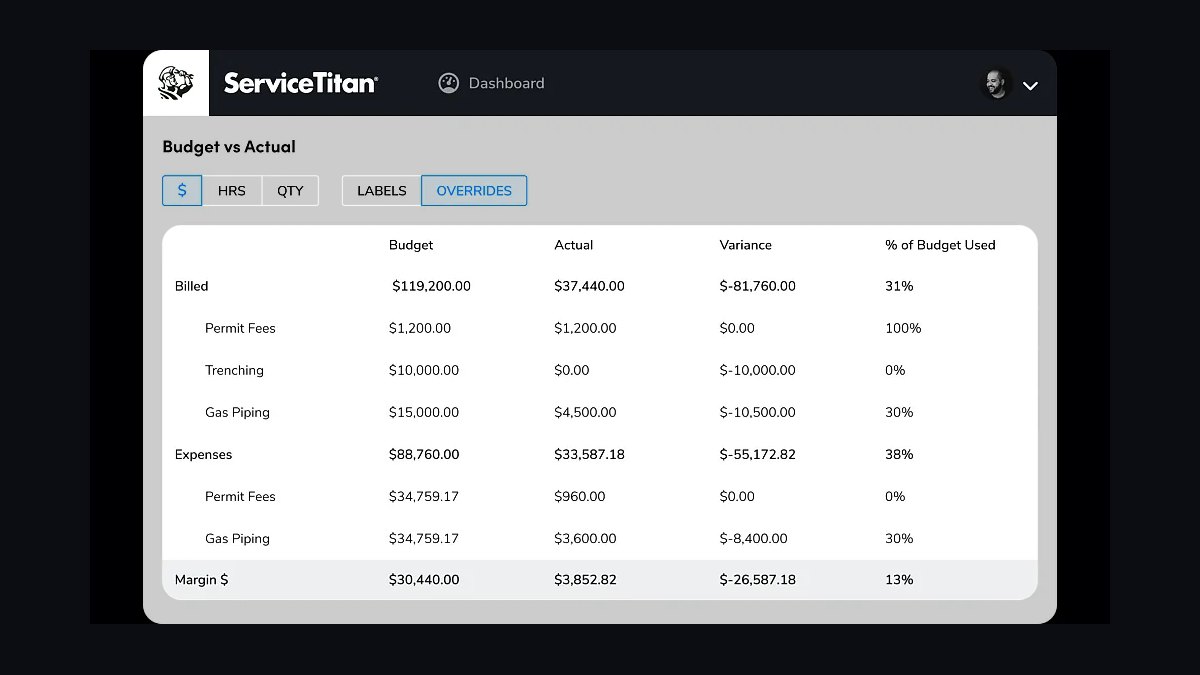
ServiceTitan ranks first because it is the only field service management platform that owns the entire spine for residential HVAC, plumbing, and electrical contractors at scale. It bundles dispatch, dynamic price book, memberships, marketing attribution, payments, and reporting in one system. Pricing runs roughly $300+ per user per month plus onboarding fees in the thousands, and it pays off past about 8–10 techs. Its membership engine turns seasonal contractors into year-round businesses.
This is built for multi-truck shops and multi-location operators chasing scale, not owner-operators. It trades away affordability and simplicity — a three-truck shop drowns in onboarding and maintains a price book it barely uses. Compared directly to Housecall Pro below it, ServiceTitan wins on depth and integration but loses badly on cost of entry for small crews.
2Housecall Pro

Housecall Pro ranks second because it delivers roughly 80% of ServiceTitan's capability at a flat $80–$300 per month per company rather than per seat. Scheduling, dispatch, invoicing, native payments, and automated review requests all live in one app an owner can run from a phone. It is especially popular with HVAC and plumbing shops for consumer-facing online booking and marketing features.
It is the right spine for owner-operators and one-to-five-truck crews who cannot justify ServiceTitan's per-user pricing. It trades away deep marketing attribution, advanced price book logic, and enterprise reporting that larger shops eventually need. Compared to Jobber just below it, Housecall Pro leans more consumer-marketing while Jobber leans more quoting and client communication.
3Jobber

Jobber ranks third because it gives small home-service contractors a clean, affordable FSM at roughly $50–$300 per month flat, with strong quoting, scheduling, invoicing, and client communication. It suits one-to-five-truck plumbing, HVAC, and electrical shops that want a single app handling the whole job lifecycle without per-seat pricing. Native payments and automated follow-ups keep cash flowing.
It is for owner-operators who value simplicity and fast setup over deep feature depth. It trades away the advanced membership engine, marketing attribution, and price book sophistication that ServiceTitan provides at scale. Compared to Housecall Pro above it, Jobber is slightly stronger on quoting and communication but slightly weaker on consumer-facing booking and marketing automation.
4Wisetack

Wisetack ranks fourth because consumer financing is a core close mechanism for big-ticket HVAC, plumbing, and electrical work, and Wisetack offers point-of-sale financing with no dealer fees on many plans plus a clean in-FSM application flow. A $9,000 system replacement closes far more often at $180 per month than as a five-figure check. The merchant discount fee is small next to won revenue.
It is for any shop selling changeouts, panel upgrades, or repipes where homeowners hesitate at the total price. It trades away nothing operationally — it attaches to the invoice inside the FSM — but approval rates and terms vary by homeowner credit. Compared to GreenSky, Wisetack is newer and cleaner in the app, while GreenSky has deeper legacy HVAC distributor relationships.
5CallRail

CallRail ranks fifth because homeowners with a flooding basement call rather than fill out forms, so phone calls are the primary lead and attribution signal in field services. CallRail's dynamic number insertion at roughly $45–$145 per month shows exactly which Google ad, radio spot, or yard sign produced each ringing phone, with recording and keyword spotting included.
It is for any contractor spending real money on leads who cannot currently say which channel produces booked jobs. It trades away nothing but requires disciplined number assignment across every marketing channel to be useful. Compared to ServiceTitan Marketing Pro, CallRail is cheaper and standalone, while Marketing Pro ties ad spend directly to booked revenue inside the same platform.
6Birdeye

Birdeye ranks sixth because star rating on Google is the highest-leverage local marketing asset in the trades, and Birdeye automates the post-job review request by text the moment a job completes. It consolidates reviews across Google, Yelp, and Facebook into one dashboard and surfaces unhappy customers privately before they post publicly. Pricing typically runs in the mid-hundreds per month.
It is for shops with enough job volume that steady review flow materially moves local search ranking. It trades away simplicity and cost versus a lighter tool, and it requires the FSM integration to fire requests automatically. Compared to NiceJob below it, Birdeye is broader and pricier, while NiceJob does the core review automation for smaller shops at roughly $75–$150 per month.
7NiceJob

NiceJob ranks seventh because it delivers the essential review-automation job — text request after job completion, review funneling, and Google ranking lift — at roughly $75–$150 per month, well under Birdeye. For a small plumbing or electrical shop, that is the highest-ROI marketing spend available. Setup is fast and the FSM integration fires requests automatically.
It is for owner-operators and small crews who want reviews on autopilot without a full reputation platform. It trades away multi-location management, social listening, and the broader customer-experience suite Birdeye offers. Compared to Birdeye directly above it, NiceJob wins on price and simplicity but loses on depth for shops running multiple locations or heavy marketing programs.
8Verizon Connect

Verizon Connect ranks eighth because once a shop runs more than three or four trucks, GPS telematics pays for itself in routing, fuel savings, honest drive times feeding dispatch, and insurance discounts from dashcams. Pricing runs roughly $25–$40 per vehicle per month. Live location and maintenance alerts integrate with the FSM dispatch board.
It is for growing shops where the owner no longer knows where every tech is at any moment. It trades away nothing operationally but is pure overhead for a solo electrician or two-truck operation. Compared to Samsara just below it, Verizon Connect is the incumbent with broad coverage, while Samsara is stronger on dashcam safety programs and video review workflows.
9Samsara

Samsara ranks ninth because it pairs fleet telematics with best-in-class dashcams, giving electrical and HVAC contractors safety scoring, video evidence for incidents, and insurance discounts that often offset the subscription. Pricing runs roughly $25–$40 per vehicle per month depending on camera and sensor configuration. Live GPS feeds dispatch routing and maintenance scheduling.
It is for contractors running larger fleets where safety programs and insurance savings justify the camera hardware. It trades away low cost of entry — the dashcam hardware and installation add upfront spend. Compared to Verizon Connect above it, Samsara wins on video safety and coaching workflows, while Verizon Connect wins on simpler telematics-only deployments.
10Gusto

Gusto ranks tenth because payroll, onboarding, and benefits for small-to-mid contractors need to be handled cleanly, and Gusto does it at roughly $40 per month plus about $6 per employee. It syncs with QuickBooks Online and handles contractor vs. employee classification, which matters as a shop grows past a handful of techs. Onboarding paperwork and benefits administration are included.
It is for contractors crossing the threshold where manual payroll and paper onboarding become a compliance risk. It trades away the heavier compliance, workers'-comp integration, and multi-state depth that ADP provides at larger scale. Compared to ADP, Gusto wins on price and usability for shops under 50 employees, while ADP wins once compliance complexity and headcount grow.
How we ranked these
We ranked each tool on five weighted criteria: depth of field service management core (scheduling, dispatch, customer record, invoicing, mobile tech app) at 30%; integration breadth with payments, financing, call tracking, accounting, and fleet at 20%; total cost of ownership at three truck-count tiers at 20%; technician mobile adoption and usability at 15%; and analyst-validated market presence plus review volume at 15%.
Scores came from vendor documentation, published pricing pages, and operator-reported outcomes across HVAC, plumbing, and electrical shops.
We deliberately ignored feature-count marketing pages, demo-only capabilities that require custom development, and vendor-published ROI claims without third-party verification. We also excluded niche vertical tools that serve fewer than 500 contractors, white-label reseller offerings, and any product without a public price or a documented QuickBooks sync. Long-tail tools were skipped because integration depth, not feature breadth, predicts whether a stack survives past year two.
What to look for
What matters most is matching the FSM to your truck count, not your ambition. Under eight trucks, a flat-rate platform like Housecall Pro or Jobber delivers scheduling, payments, and reviews at a cost an owner can absorb. Past ten trucks, ServiceTitan's dispatch intelligence, membership engine, and marketing attribution justify the per-user price. Everything else — financing, call tracking, GPS — is a layer you add only when the FSM genuinely cannot do that job.
The mistake most buyers make is buying the platform they aspire to rather than the one their current operation can absorb. A three-truck shop signs ServiceTitan, pays thousands in onboarding, builds a price book nobody maintains, and uses a tenth of the capability. The second mistake is stacking disconnected point tools — dispatch in one app, customer history in another — which forces double entry and blinds techs in the field. Pick the spine first, then add vertebrae.
Related questions
What is the single most important tool in a field services tech stack?
The field service management platform. It owns scheduling, dispatch, the customer record, equipment history, estimates, invoices, and the price book in one place. If your customer history lives in one app and your dispatch board in another, you have already lost. Every other tool either feeds the FSM or rides inside it.
How much should a small HVAC or plumbing shop budget for software?
A one-to-three-truck operation should plan on roughly $200 to $600 per month total. That covers Housecall Pro or Jobber as the core, native payments, a basic review tool like NiceJob, and QuickBooks Online. Skip GPS, business intelligence, and dedicated HR platforms until truck count and complexity justify them.
Why does call tracking matter more in the trades than in other industries?
Homeowners with a flooding basement or a dead furnace call — they do not fill out multi-touch web forms. That makes the phone call your primary lead and your primary attribution signal. Dynamic number insertion tells you which ad, page, or campaign produced each ringing phone, so budget flows to channels that actually convert.
Do maintenance memberships really require a specialized platform?
Yes, if you want them to scale. The FSM has to auto-bill memberships, auto-generate recurring service visits, and flag members for priority dispatch. Bolting that onto a generic CRM is painful because membership is not a first-class object there. The best field service platforms treat agreements as native records tied to the customer and equipment.
When does consumer financing like Wisetack start paying for itself?
The moment you sell big-ticket work — system changeouts, panel upgrades, repipes. A $9,000 job closes far more often when the homeowner can pay $180 a month instead of writing a five-figure check. The merchant discount fee is small next to the revenue you would otherwise lose to 'let me think about it.'
Can a growing contractor run dispatch and accounting in the same tool?
No. QuickBooks is excellent accounting software and a poor field service platform — it cannot dispatch, route, manage a mobile tech, or run memberships. Use an FSM as the spine and sync it to QuickBooks Online for the books. Keep each tool doing the job it was actually built for.
What is the biggest tech stack mistake field service companies make?
Buying ServiceTitan too early. A three-truck shop signs the platform, drowns in onboarding fees and a price book nobody maintains, and uses a fraction of the capability. Match the FSM to your truck count: under eight trucks, Housecall Pro or Jobber wins on cost and simplicity. Graduate when complexity demands it.
How long should implementation take before the stack is fully live?
Plan on ninety days. Days zero to thirty stand up the FSM spine and get every tech on the mobile app. Days thirty-one to sixty turn on payments, financing, memberships, and QuickBooks sync. Days sixty-one to ninety wire call tracking, automated reviews, and fleet GPS if truck count justifies it.
FAQ
Is ServiceTitan worth it for a small HVAC or plumbing shop?
Usually not below about eight to ten trucks. The platform is built for scale, and its onboarding fees and per-user pricing punish small shops. Housecall Pro or Jobber give an owner-operator the scheduling, payments, and review automation they actually need at a flat rate they can afford. Move to ServiceTitan when dispatch complexity and marketing spend justify it.
Housecall Pro or Jobber — which one for a small shop?
Both are excellent for one-to-five-truck operations. Jobber leans slightly toward broader home services and is strong on quoting and client communication. Housecall Pro is especially popular with HVAC and plumbing for its consumer-facing booking and marketing features. Trial both for two weeks with your real workflow before committing to either.
Why do I need call tracking if I already have a CRM?
Because homeowners with an emergency call rather than fill out a form, so the phone call is your primary lead and your primary attribution signal. Call tracking with dynamic number insertion tells you which ad, page, or campaign produced each ringing phone. That is the only way to spend marketing dollars where they actually convert.
Do I really need consumer financing like Wisetack?
For big-ticket work — system changeouts, panel upgrades, repipes — yes. A $9,000 job closes far more often when the homeowner can pay $180 a month instead of writing a five-figure check. Financing turns 'let me think about it' into a signature in the driveway, and the merchant fee is small next to the won revenue.
When should I add GPS fleet tracking to my stack?
Once you run more than three or four trucks. Below that the owner usually knows where everyone is. Past it, telematics pays for itself in better routing, lower fuel cost, honest drive times feeding dispatch, and insurance discounts from dashcams. Verizon Connect, Samsara, and Azuga are the common choices.
Can I just run everything in QuickBooks?
No. QuickBooks is excellent accounting software and a poor field service platform — it cannot dispatch, route, manage a mobile tech, or run memberships. Use an FSM as the spine and sync it to QuickBooks Online for the books. Keep each tool doing the job it is actually built for.
How important is the technician mobile app in the overall stack?
It is the primary user interface for the entire stack. If techs are not closing jobs, collecting payment, and updating equipment notes on the app in the driveway, the rest of your software is decorative. A great office tool that techs refuse to use produces garbage data and erodes the whole system.
What does a multi-location contractor need that a single-shop does not?
Consolidated financials across entities, cross-location margin reporting, and standardized processes so every acquired shop runs the same way. That usually means Sage Intacct for accounting, Power BI for the truth layer, and a single FSM instance across all locations. Payroll and compliance also get heavier at that scale.
How do I know when to graduate from Housecall Pro to ServiceTitan?
When dispatch complexity, marketing spend, and membership volume outgrow flat-rate tooling. Common triggers: more than eight to ten trucks, multiple locations, a dedicated marketing budget needing attribution, and a price book too complex for a simple platform. If you cannot answer what a booked job costs by channel, you are ready.
What is the most overlooked layer in a field services tech stack?
Reputation management. Star rating on Google is the highest-leverage local marketing asset in the trades, and automated post-job review requests by text are cheap and effective. Birdeye, Podium, and NiceJob all do this well. Wire the request to fire automatically on job completion inside the FSM.
Sources
- https://www.servicetitan.com/pricing
- https://www.housecallpro.com/pricing/
- https://getjobber.com/pricing/
- https://www.callrail.com/pricing/
- https://www.wisetack.com/
- https://www.birdeye.com/pricing/
- https://quickbooks.intuit.com/online/pricing/
- https://www.verizonconnect.com/solutions/fleet-management/
- https://gusto.com/product/pricing
- https://www.samsara.com/products/
Related on PULSE
This page will be disappearing soon. Save it to your device for $1 — or read it free while it is here.
@Kory-White- · if Venmo asks, the last 4 of my number are 2012
This page is gone.
This one is off the shelf now. $1 keeps it on your phone for good — the whole page, pictures and diagrams included.
 pulse-tech-stacksTop 10 Best Tech Stack Tools for Hardware Security Module (HSM) Vendors in 2027
 pulse-tech-stacksTop 10 Best Tech Stack Tools for Medical Billing and RCM Companies in 2027
 pulse-tech-stacksTop 10 Best Tech Stack Tools for Fine-Tuning Platform Companies in 2027
 pulse-tech-stacksTop 10 Best Tech Stack Tools for Insulation Contractors in 2027
 pulse-tech-stacksTop 10 Best Tech Stack Tools for Hair Salons in 2027
 pulse-tech-stacksTop 10 Best Tech Stack Tools for Appliance Repair Services in 2027
 pulse-tech-stacksTop 10 Best Tech Stack Tools for Home Inspection Companies in 2027
 pulse-tech-stacksTop 10 Best Tech Stack Tools for Septic and Portable Sanitation Services in 2027
 pulse-tech-stacksTop 10 Best Tech Stack Tools for Independent Landscaping Companies in 2027
 pulse-tech-stacksTop 10 Best Tech Stack Tools for Bot Mitigation Vendors in 2027