


Top 10 Best Tech Stack Tools for Boutique Hotels in 2027
Quality
Certified
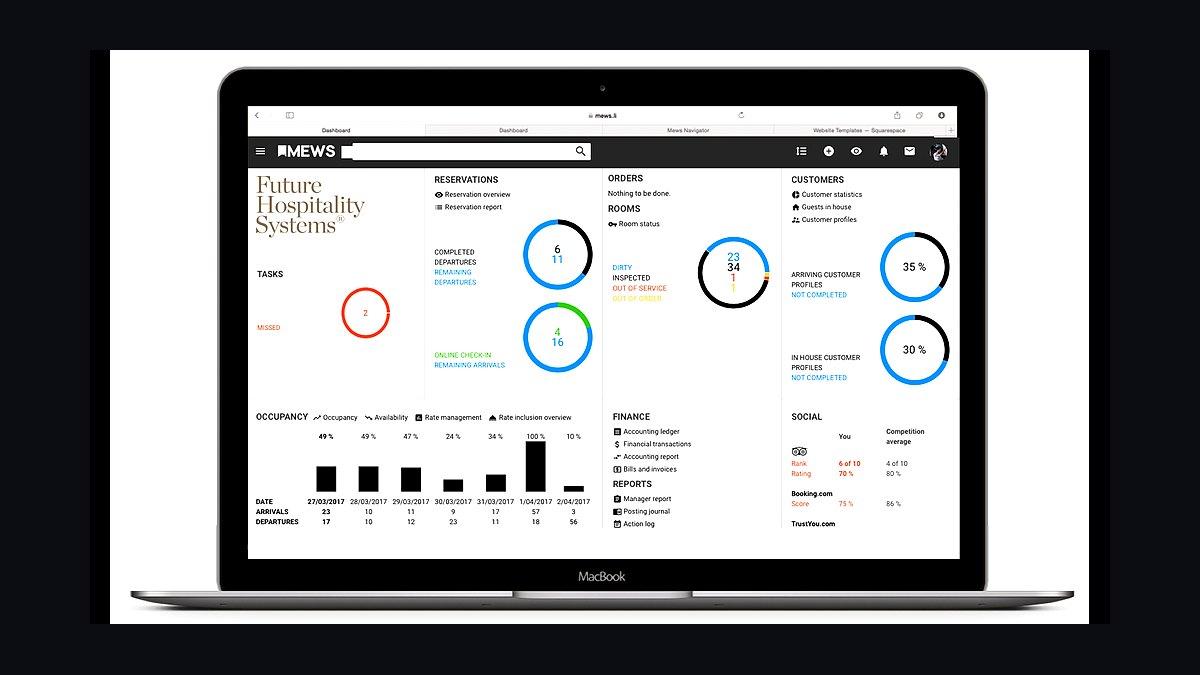
The 10 best tech stack tools for boutique hotels are ranked below on measured performance, build quality, price, and how each one actually holds up in daily use rather than how it reads on a spec sheet. Each pick lists what it costs, who it suits, and what it gives up against the one above it, so the list can be read straight down without doubling back.
1Mews Property Management System
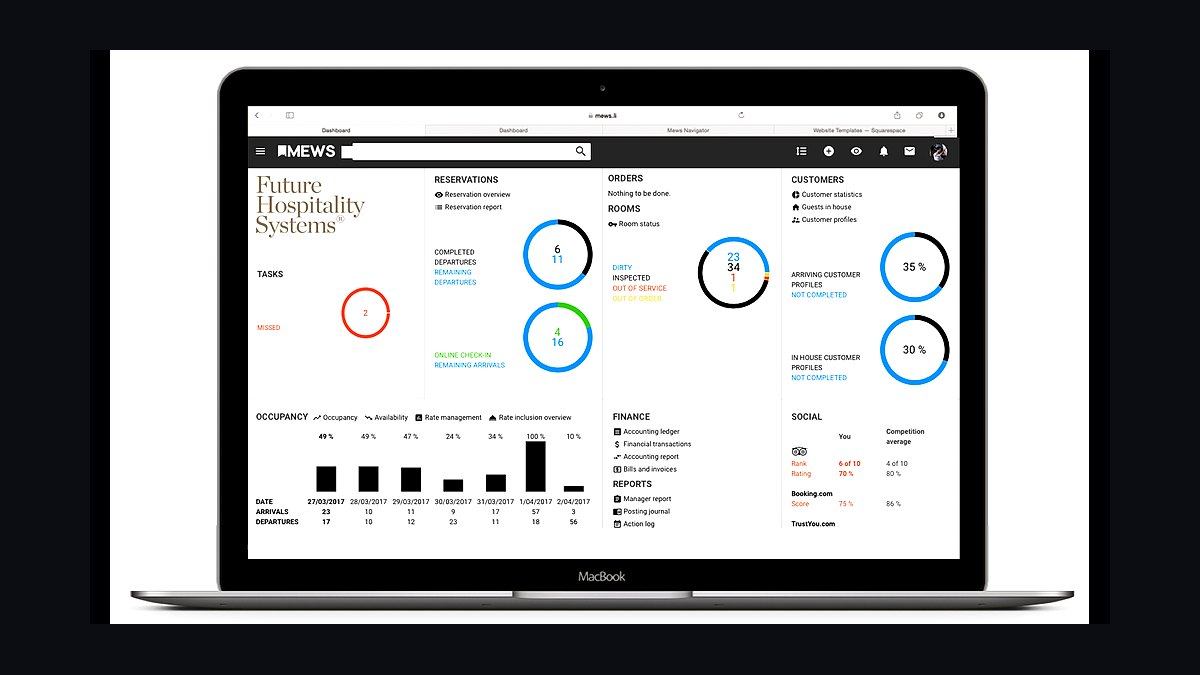
Mews ranks first because it is the cloud-native PMS most boutique independents standardize on, running roughly $8–18 per room per month, so a 30-room property lands near $300–500 monthly. It holds reservations, folios, housekeeping boards, and night audit, and its open API plus large connected marketplace lets distribution, payments, and guest experience plug in without custom work. Embedded Mews Payments on Stripe and Adyen rails keeps authorization and capture inside the reservation record.
It suits design-led independents and small boutique groups that expect to grow without re-platforming. It trades away the cheapest possible entry price and some hand-holding for a single independent; Cloudbeds below is friendlier out of the box. Against SiteMinder at rank two, Mews is the system of record rather than the distribution hub, so most properties run both rather than choosing one.
2SiteMinder Channel Manager
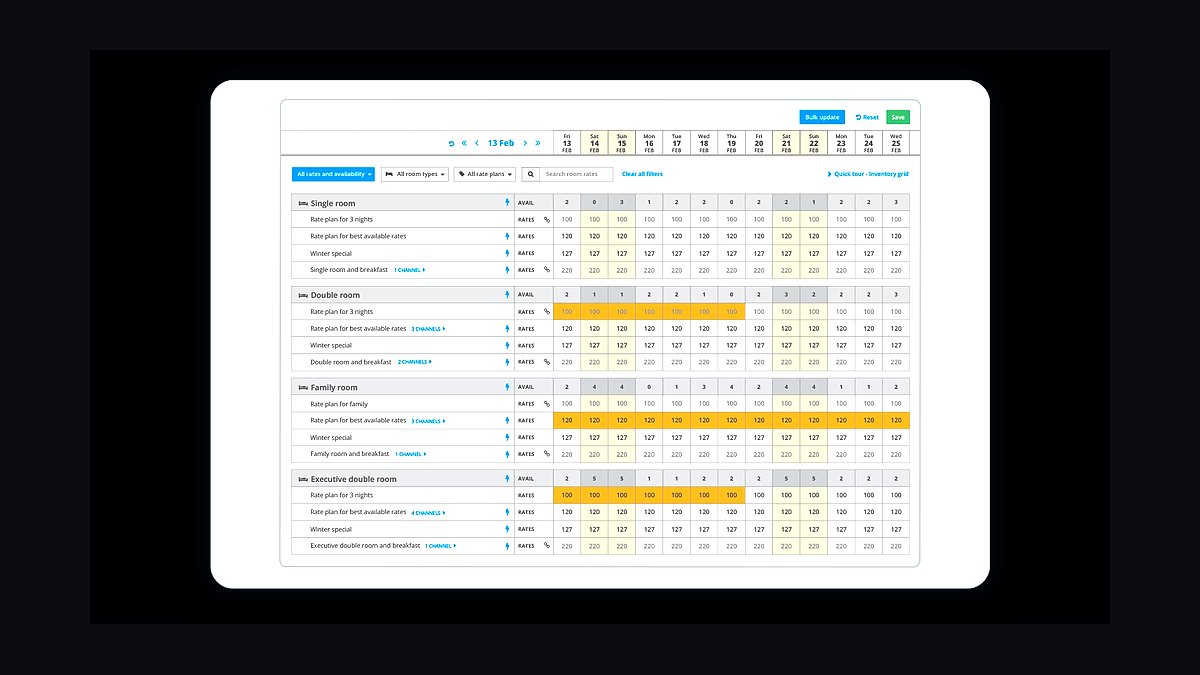
SiteMinder ranks second because distribution is where boutique revenue is won or lost, and it connects to the widest set of OTAs and the GDS at roughly $80–200 per month for a single property. It pushes live rates and availability outward and pulls reservations back into the PMS in real time, which is the mechanism that prevents two channels selling the same last room. That two-way sync is the single most important integration in the stack.
It is for properties that sell across many channels or want one PMS-agnostic distribution hub across a small group. It trades away simplicity: if you run Mews or Cloudbeds, their built-in distribution often covers your channels and saves a vendor and an integration. Compared with RoomPriceGenie at rank three, SiteMinder decides where inventory is sold while the RMS decides what price it carries.
3RoomPriceGenie Revenue Management
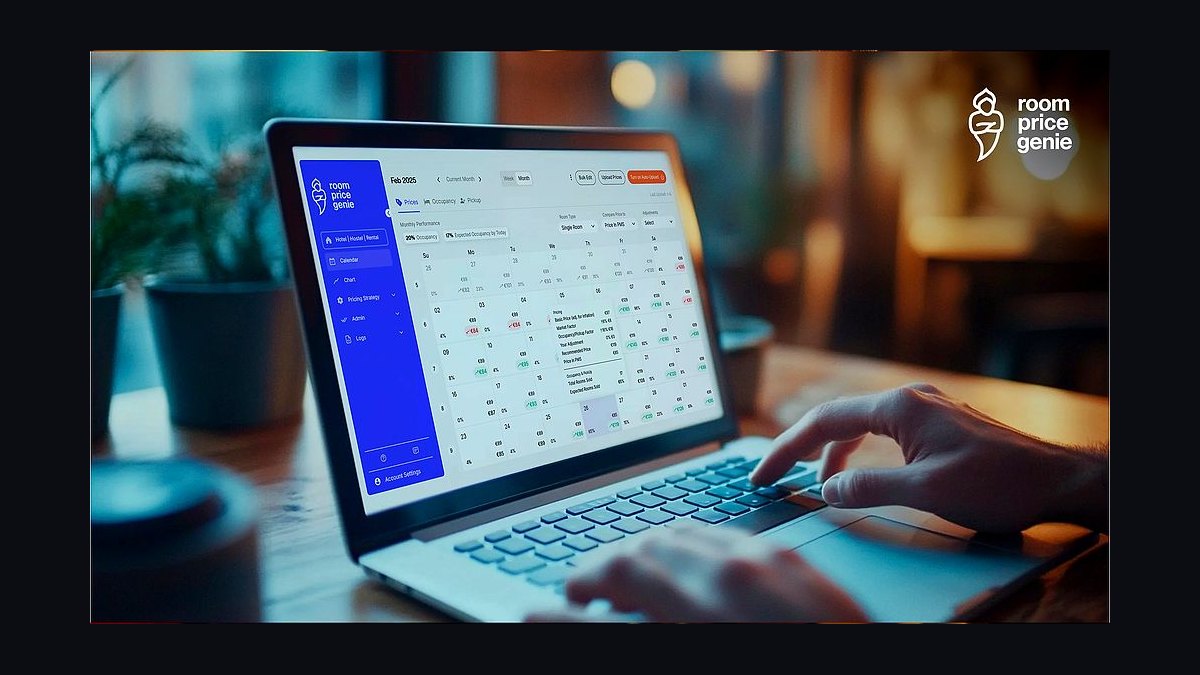
RoomPriceGenie ranks third because static, gut-feel pricing costs independents an estimated 5–15% of potential RevPAR, and it is purpose-built for single boutique hotels at roughly $150–500 per month. It reads PMS occupancy, market demand, and competitor rates, then pushes recommended or fully automated prices back through the channel manager. Most properties see it pay for itself within the first month or two.
It is for the independent operator who will actually let rates move rather than overriding the recommendations every morning. It trades away group and event optimization, multi-property forecasting, and total-revenue management across rooms and F&B. Against Duetto and IDeaS, which sit above it for groups at $1,000–3,000-plus monthly per property, RoomPriceGenie is the affordable entry point before pricing complexity justifies an enterprise RMS.
4Cloudbeds Hospitality Platform
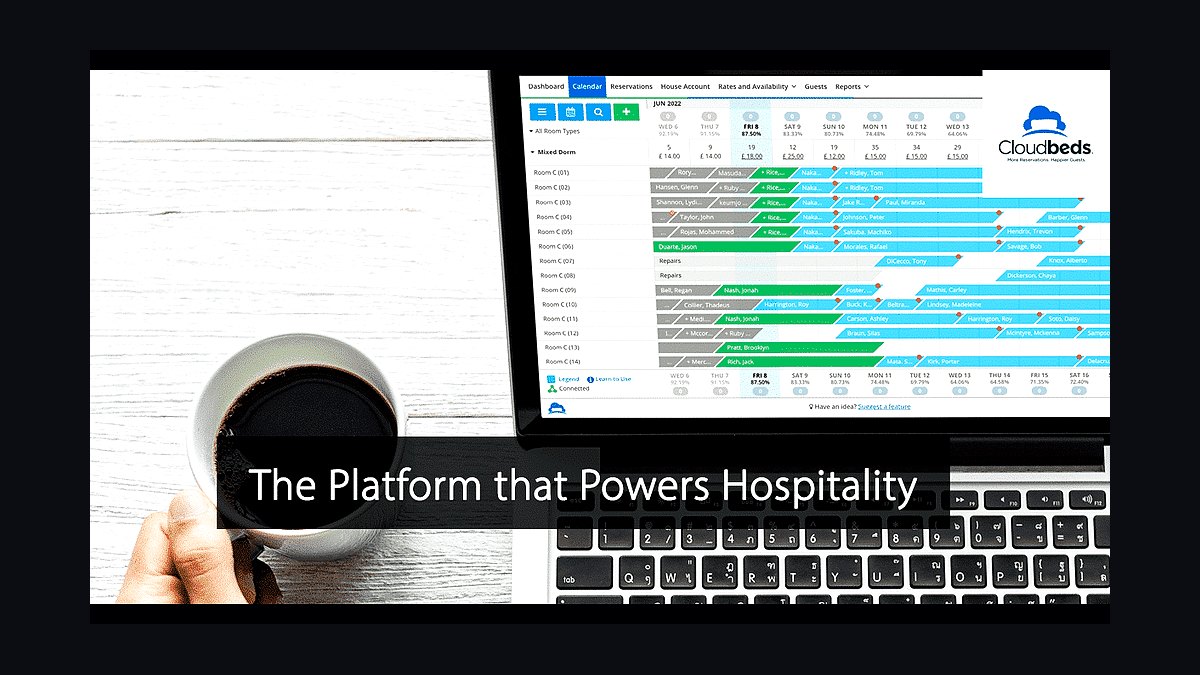
Cloudbeds ranks fourth because it is the friendliest all-in-one for a single independent, bundling PMS, booking engine, and distribution in one platform with a gentler learning curve than assembling separate vendors. Pricing sits in the same $8–18 per room per month band as Mews, and because distribution and the direct booking engine ship together, there is no integration risk between them and no extra vendor to manage.
It is for the 20–60 room independent whose small team needs one login and one support relationship. It trades away the deep app marketplace and open API breadth that Mews offers, which matters if you run F&B heavily or plan to scale into a group. Against Mews at rank one, Cloudbeds wins on simplicity and loses on extensibility and long-run scalability.
5Canary Technologies Guest Experience
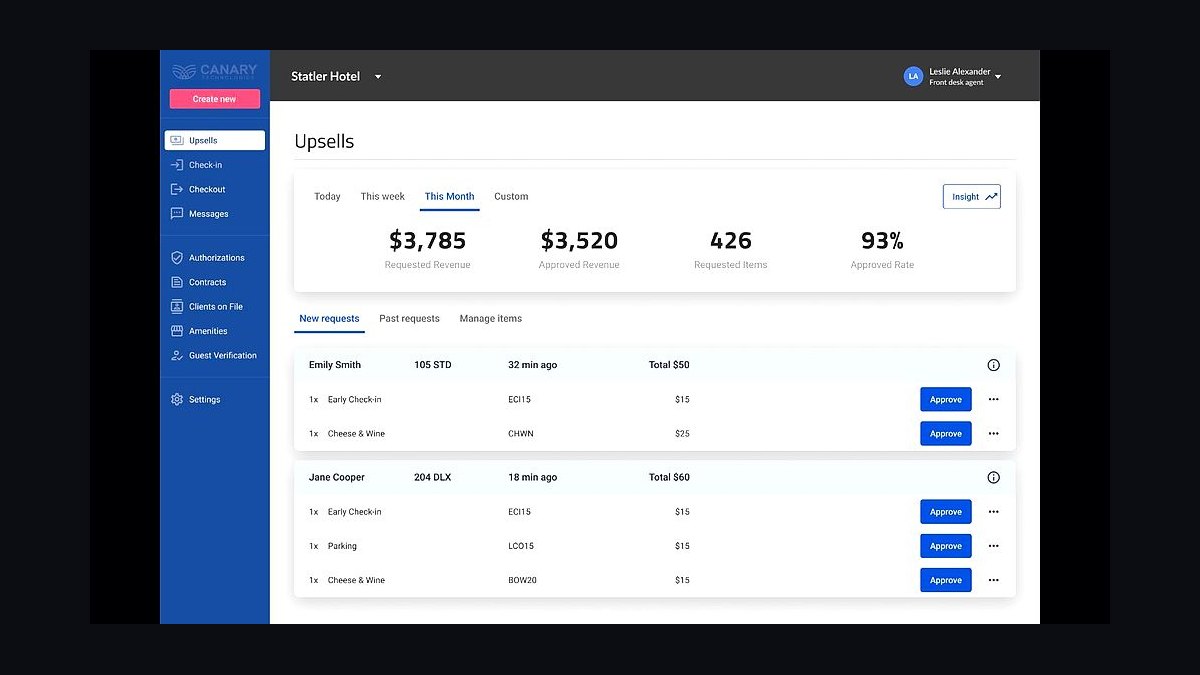
Canary Technologies ranks fifth because the guest-experience layer is what converts boutique differentiation into commission-free revenue, typically at $5–12 per room per month plus upside on captured upsells. It handles contactless digital check-in and checkout, guest verification and authorization to cut chargebacks, in-stay messaging, upsells like early check-in and room upgrades, and digital tipping for staff. It integrates tightly with both Mews and Cloudbeds.
It is for properties that want a single broad platform rather than stitching messaging, check-in, and upsell tools together. It trades away the polished branded guest app that Duve leans into and the AI-driven concierge messaging that HiJiffy focuses on. Against the booking engine bundled into the PMS above it, Canary works on guests who have already booked, lifting ancillary spend and direct repeat behavior.
6Toast Restaurant Point of Sale
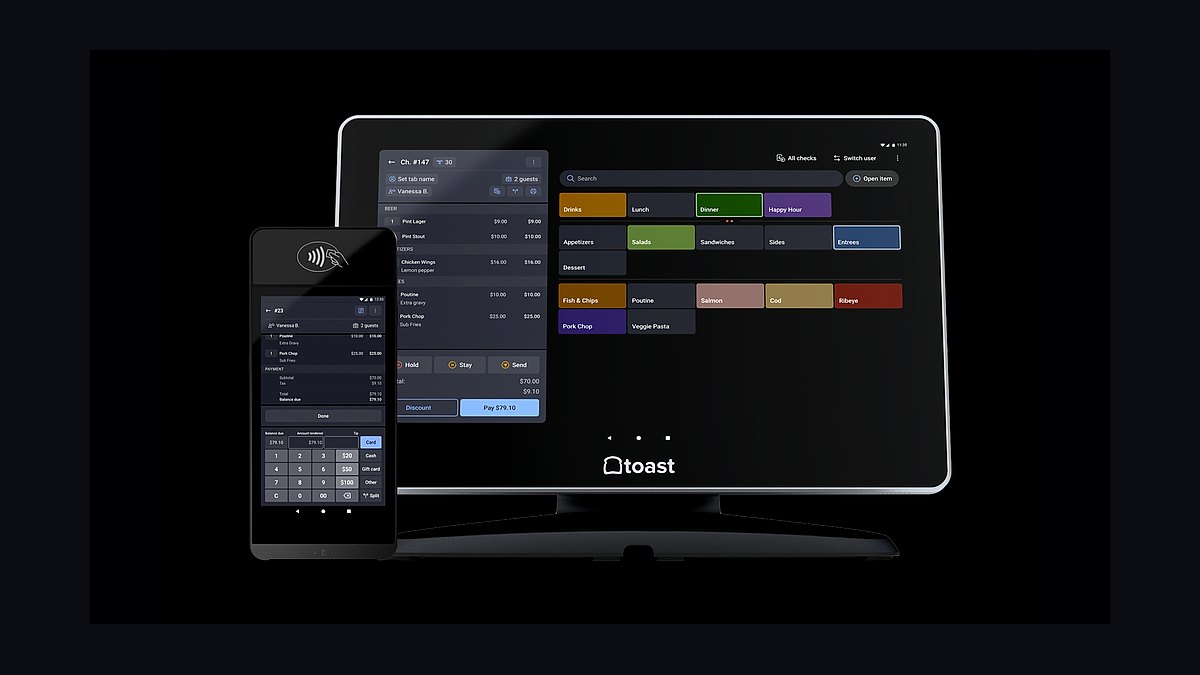
Toast ranks sixth because boutique hotels lean on destination restaurants and bars for non-room revenue, and Toast is the leading hospitality POS for that kind of operation at roughly $70–200 per terminal per month plus hardware and processing. It covers kitchen workflow, payments, and reporting, and it posts room charges back to the open folio in the PMS so a guest sees one accurate bill at checkout.
It is for properties running a standalone-quality restaurant, bar, or room service rather than a breakfast-only operation. It trades away simplicity and adds a monthly per-terminal cost plus payment processing fees. Against Lightspeed, the alternate, Toast is stronger in US restaurant operations while Lightspeed suits properties already on Lightspeed retail or with European operations. Confirm room-charge posting during setup; it is a common integration gap.
7Revinate Hospitality CRM
Revinate ranks seventh because it builds a unified guest profile from PMS and POS data and drives pre-arrival, in-stay, and win-back campaigns that lift direct repeat bookings, typically running $300–1,000 per month depending on database size. It is hospitality-native, reconciling duplicate guest records and tying every campaign to actual stays and revenue rather than opens and clicks. That reconciliation is what makes the direct-booking math work.
It is for properties serious about growing direct share and reducing OTA dependence over time. It trades away budget simplicity; Mailchimp is the cheap alternate for a single property that only needs clean newsletters. Against TrustYou, which focuses on reviews and sentiment, Revinate owns the CRM and email side, and many boutique hotels run both rather than picking one.
8TrustYou Reputation Management
TrustYou ranks eighth because reviews on Google, TripAdvisor, and the OTAs directly influence the rate a boutique can charge, and it aggregates, responds to, and analyzes them in one place at roughly $100–400 per month. It runs guest satisfaction surveys and feeds sentiment back to operations, so the front desk and F&B teams see what guests actually complained about rather than guessing. Hospitality-native review handling beats generic reputation tools.
It is for properties that treat online reputation as a revenue lever rather than a marketing chore. It trades away the CRM and campaign depth that Revinate at rank seven provides, so it is a complement rather than a replacement. Against Birdeye, the cross-industry alternate, TrustYou is more tightly tuned to hotel review sources and hospitality survey workflows.
9Mews Payments Processing
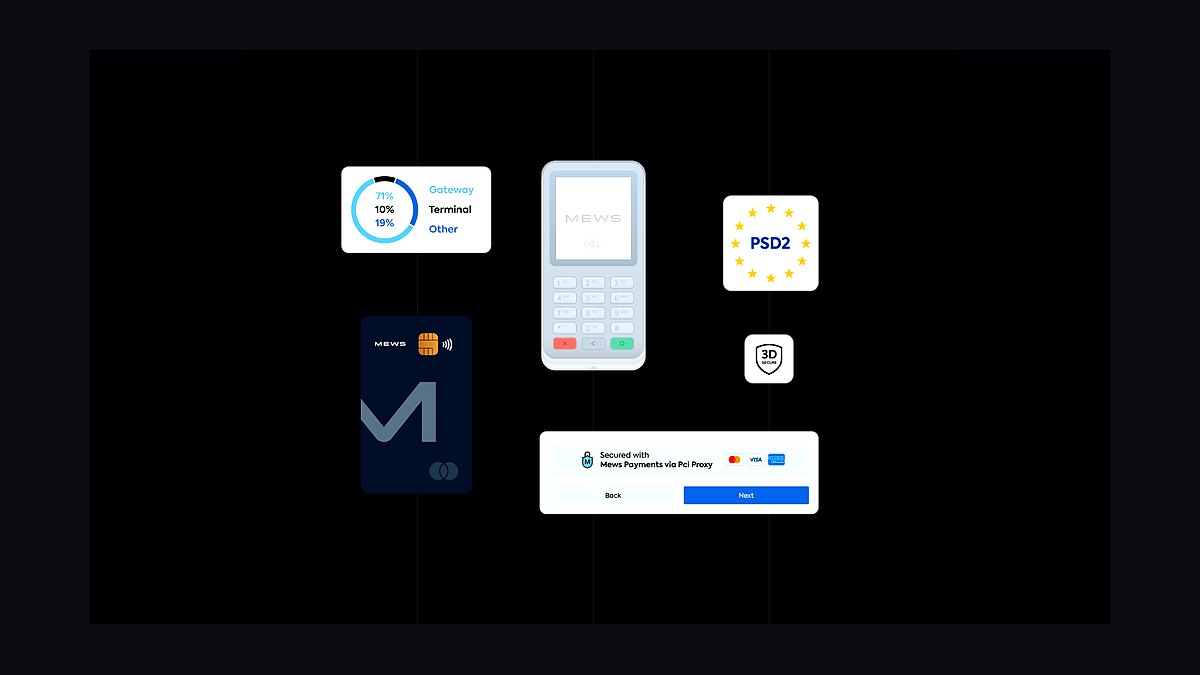
Mews Payments ranks ninth because embedded card capture, automatic deposit and balance collection, and folio-tied reconciliation remove the manual work that eats front-desk hours, at roughly 1.5–2.9% per transaction on Stripe and Adyen rails. Authorization, capture, and refunds stay inside the reservation record, so the night audit reconciles against one system instead of matching a separate gateway statement by hand.
It is for properties already running Mews that want payments to disappear into the PMS rather than live in a separate portal. It trades away the flexibility of choosing an independent processor and locks you further into the Mews ecosystem. Against standalone Stripe or Adyen integrations, Mews Payments wins on reconciliation and loses on portability if you ever switch PMS platforms.
10QuickBooks Online Accounting
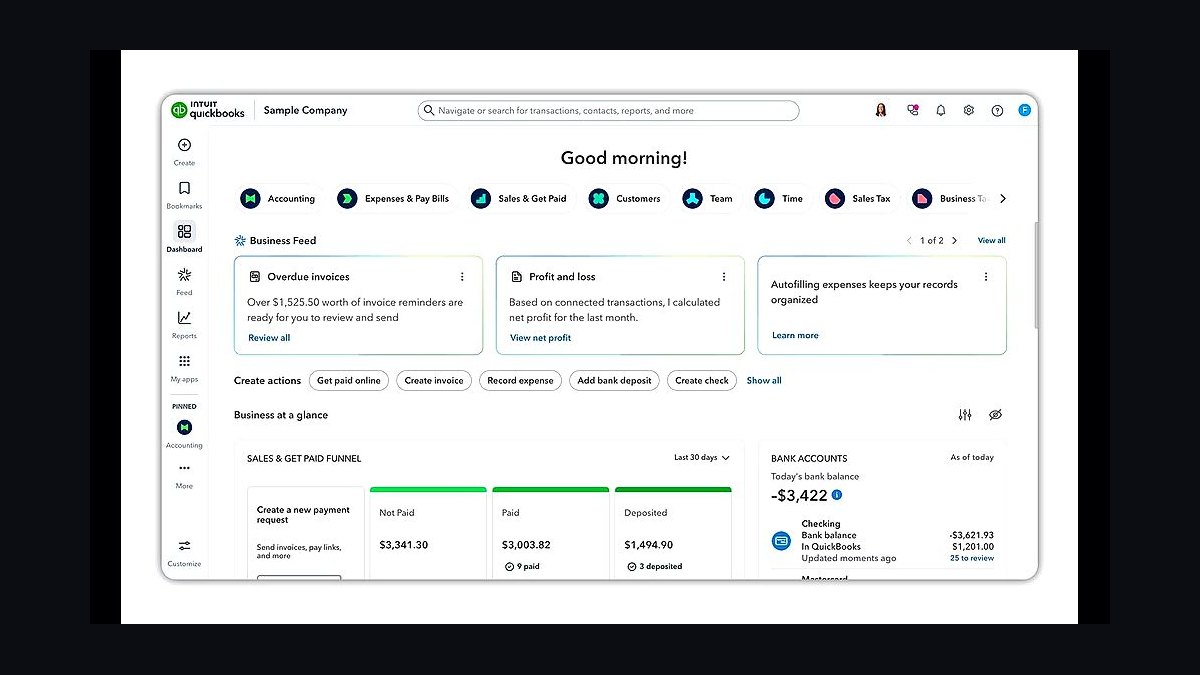
QuickBooks Online ranks tenth because a single independent needs a financial system of record for night-audit postings, payroll, and management reporting, and it runs $30–200 per month with a straightforward PMS export. It is the pragmatic accounting choice for one property where the volume of transactions does not justify hospitality-specific ERP software or multi-entity consolidation.
It is for the owner-operator of a single boutique hotel, not a group. It trades away hospitality-specific labor management and multi-property consolidation, which is exactly why M3 or Sage Intacct takes over once a group passes a few properties. Against Power BI and the native PMS dashboards above it, QuickBooks closes the books while they report on occupancy, ADR, and RevPAR.
How we ranked these
We ranked each tool on five weighted criteria: PMS integration depth (30%), total cost of ownership over three years (20%), revenue impact via RevPAR and direct-booking share (20%), guest-experience capability (15%), and implementation speed for a small team (15%). Scores came from vendor documentation, published pricing, verified operator reviews, and analyst coverage of hospitality software. Weighting favored tools that reduce OTA commission and manual reconciliation.
We deliberately ignored feature-count marketing, awards, and vendor size. A boutique hotel does not need every module a chain runs, and a long feature list often signals complexity a four-person team cannot operate. We also excluded tools with no documented PMS API, no hospitality-specific support, or pricing that only appears behind a sales call, because those create hidden integration and switching costs that outweigh any headline capability.
What to look for
What matters most is whether the tool writes to the same reservation record as your PMS. A channel manager, RMS, or guest-experience platform that syncs in real time prevents oversells and manual folio fixes; one that batches updates creates walkings and reconciliation work. Second is total cost including processing fees and per-booking charges, not just the monthly subscription. Third is whether your existing team can run it without a dedicated IT hire.
The mistake most buyers make is shopping features instead of integration. They pick a cheaper RMS with no native PMS connection, then pay a developer to build a fragile bridge that breaks on every update. The second mistake is buying best-of-breed for every function, producing a fifteen-login stack a small team cannot maintain. Start with a deep PMS marketplace, add only what the property truly needs, and verify two-way sync before signing.
Related questions
What is the single most important tool in a boutique hotel tech stack?
The property management system, because it is the system of record for every reservation, folio, housekeeping task, and rate plan. If the PMS is solid and open, the channel manager, revenue management system, payments, and guest-experience tools all read and write to one accurate record. If it is weak, every other tool inherits bad data and the front desk reconciles by hand.
How much should a 40-room boutique hotel budget for software?
Roughly $1,200 to $3,500 per month for a near all-in-one stack: Mews or Cloudbeds for PMS, distribution, and booking engine, RoomPriceGenie for pricing, Canary for digital check-in and upsells, Toast for F&B if there is a restaurant, and QuickBooks for accounting. Processing fees of roughly 1.5 to 2.9 percent sit on top of that subscription total.
Do boutique hotels really need a revenue management system?
Yes, if they want to stop leaving RevPAR on the table. Independents that price by gut or a fixed seasonal calendar typically lose five to fifteen percent of potential room revenue. A rules-based or automated RMS like RoomPriceGenie reads occupancy, demand, and competitor rates and pushes prices through the channel manager, usually paying for itself within weeks of going live.
What is the difference between a channel manager and a booking engine?
A channel manager pushes your live rates and availability out to OTAs like Booking.com and Expedia and pulls reservations back into the PMS to prevent oversells. A booking engine is the reservation widget on your own website that captures commission-free direct bookings. Both write into the same PMS record, but only the booking engine protects your margin from OTA commission.
Can a boutique hotel run without a channel manager?
Only if the PMS has native distribution built in. Mews and Cloudbeds both ship distribution that connects to major OTAs, which is enough for many single independents. If you run a PMS without native distribution, or you want the widest channel reach and a PMS-agnostic hub, a dedicated channel manager like SiteMinder becomes necessary to avoid oversells.
When should a boutique group move from QuickBooks to hospitality accounting?
Once you operate more than one property or need multi-entity consolidation, night-audit postings across entities, and labor reporting. QuickBooks Online works well for a single independent at roughly $30 to $200 per month. A group should move to M3 or Sage Intacct, which handle hospitality-specific revenue recognition and consolidated management reporting, at meaningfully higher monthly cost.
How do you prevent overselling between the PMS and OTAs?
Run distribution natively inside the PMS where possible, or choose a channel manager with proven real-time two-way sync. Monitor connection health daily and set up alerts for failed updates. Overselling happens when inventory updates lag, so two OTAs sell the same last room and a guest gets walked. Real-time sync is the only reliable fix.
What guest-experience features actually move the needle?
Digital check-in and checkout, guest verification to cut chargebacks, in-stay messaging, and pre-arrival upsells like early check-in, room upgrades, and late checkout. Canary, Duve, and HiJiffy all cover these. The upsell revenue and reduced front-desk labor usually justify the subscription, while digital tipping improves staff retention in a tight labor market.
FAQ
What is the best PMS for a boutique hotel in 2027?
Mews is the leading choice for design-forward independents and small boutique groups because it is cloud-native, has a genuinely open API, a large connected marketplace, and embedded payments. Cloudbeds is the friendliest all-in-one for a single independent. Apaleo suits API-first custom stacks, StayNTouch fits mobile-first operations, and Opera Cloud is the enterprise option past a couple hundred rooms.
How much does a boutique hotel PMS cost?
Expect roughly $8 to $18 per room per month. A 30-room property lands around $300 to $500 per month for the PMS alone. Distribution, revenue management, guest experience, POS, and accounting sit on top of that, bringing a full single-property stack to roughly $1,200 to $3,500 per month before payment processing fees.
Is Mews better than Cloudbeds for a boutique hotel?
Mews is stronger for design-led independents and small groups that want an open API, a deep marketplace, and embedded payments. Cloudbeds is stronger for a single independent that wants PMS, distribution, and booking engine bundled with minimal integration work. Both are cloud-native and well supported; the choice usually comes down to how much best-of-breed assembly you want.
What revenue management system should an independent boutique hotel use?
RoomPriceGenie is purpose-built and affordable for independent boutique hotels, typically $150 to $500 per month. It reads PMS occupancy, market demand, and competitor rates and pushes recommended or fully automated prices back through the channel manager. Duetto and IDeaS are the group-grade options once you need forecasting and total-revenue management across rooms and F&B.
How do boutique hotels reduce OTA commission?
By shifting bookings to their own website through a fast, conversion-optimized booking engine, a CRM that drives repeat direct stays, and a guest-experience platform that captures upsells and builds loyalty. Every point of direct-booking share moved off the OTAs flows almost entirely to the bottom line, since OTA commission runs fifteen to twenty-five percent per booking.
What POS works best for a boutique hotel restaurant?
Toast is the leading hospitality POS for the kind of standalone-quality restaurant a boutique hotel runs, with strong kitchen, payments, and reporting. Lightspeed is the main alternate, especially for European operations or properties already on Lightspeed retail. The critical requirement is that the POS posts charges cleanly back to the guest folio in the PMS.
Do boutique hotels need a CRM separate from the PMS?
Often yes, once direct-booking share and repeat stays matter. Revinate builds a unified guest profile from PMS and POS data, reconciles duplicate records, and ties campaigns to actual stays and revenue. Mailchimp is a budget alternate for a single property that only needs clean newsletters. A group should treat CRM as core, not optional.
How long does it take to implement a boutique hotel tech stack?
A single independent can migrate reservations, connect distribution, launch a booking engine, and embed payments in roughly thirty days. Adding revenue management, guest experience, POS, and accounting typically takes another thirty to sixty days. A boutique group should plan ninety days or more, because multi-property rate plans, financial consolidation, and staff training add real time.
What is the biggest tech mistake boutique hotels make?
Buying features instead of integration. A cheaper tool with no native PMS connection forces a fragile custom bridge that breaks on every update. The second mistake is tool sprawl: a separate vendor for every function produces a fifteen-login stack a small team cannot maintain. Start with a deep PMS marketplace and add only what the property truly needs.
Should a boutique hotel use Power BI or native PMS dashboards?
A single property usually lives entirely inside native PMS dashboards, which cover occupancy, ADR, RevPAR, and pace without extra cost. A group needs Power BI, at roughly $10 to $20 per user per month, to blend PMS analytics with F&B, labor, and financial data across properties into one portfolio view for ownership and management.
Sources
- https://www.mews.com/en
- https://www.cloudbeds.com
- https://www.siteminder.com
- https://www.roompricegenie.com
- https://www.canarytechnologies.com
- https://www.duettoresearch.com
- https://www.revinate.com
- https://pos.toasttab.com
- https://www.oracle.com/hospitality/
- https://www.gartner.com/en/documents
Related on PULSE
This page will be disappearing soon. Save it to your device for $1 — or read it free while it is here.
@Kory-White- · if Venmo asks, the last 4 of my number are 2012
This page is gone.
This one is off the shelf now. $1 keeps it on your phone for good — the whole page, pictures and diagrams included.
 pulse-tech-stacksTop 10 Best Tech Stack Tools for Bot Mitigation Vendors in 2027
 pulse-tech-stacksTop 10 Best Tech Stack Tools for Email Security Vendors in 2027
 pulse-tech-stacksTop 10 Best Tech Stack Tools for Self-Storage Operators in 2027
 pulse-tech-stacksTop 10 Best Tech Stack Tools for Window Cleaning Services in 2027
 pulse-tech-stacksTop 10 Best Tech Stack Tools for AI Translation API Companies in 2027
 pulse-tech-stacksTop 10 Best Tech Stack Tools for Hardware Security Module (HSM) Vendors in 2027
 pulse-tech-stacksTop 10 Best Tech Stack Tools for HOA and Community Association Management Companies in 2027
 pulse-tech-stacksTop 10 Best Tech Stack Tools for Independent Driving Schools in 2027
 tkTop 10 Best Tech Stack Tools for Fencing and Deck Contractors in 2027
 pulse-tech-stacksTop 10 Best Tech Stack Tools for Employee Benefits Consulting Firms in 2027