


Top 10 Best Tech Stack Tools for Ambulatory Surgery Centers in 2027
Quality
Certified
The 10 best tech stack tools for ambulatory surgery centers are ranked below on measured performance, build quality, price, and how each one actually holds up in daily use rather than how it reads on a spec sheet. Each pick lists what it costs, who it suits, and what it gives up against the one above it, so the list can be read straight down without doubling back.
1HST Pathways ASC EHR
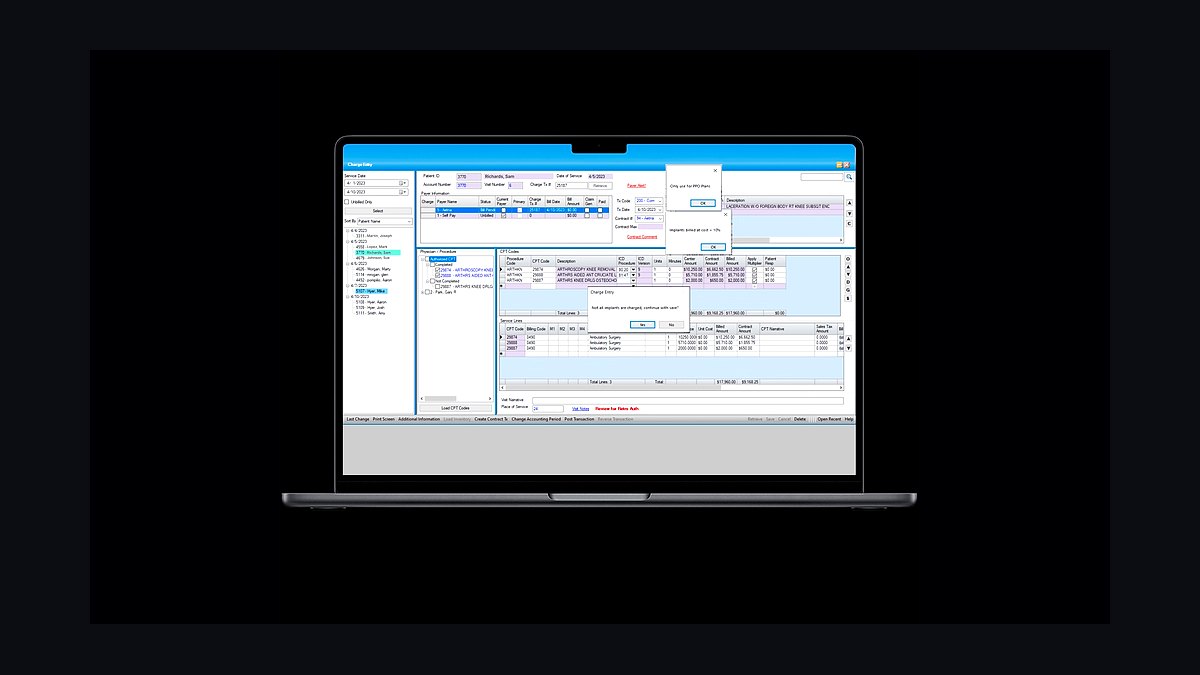
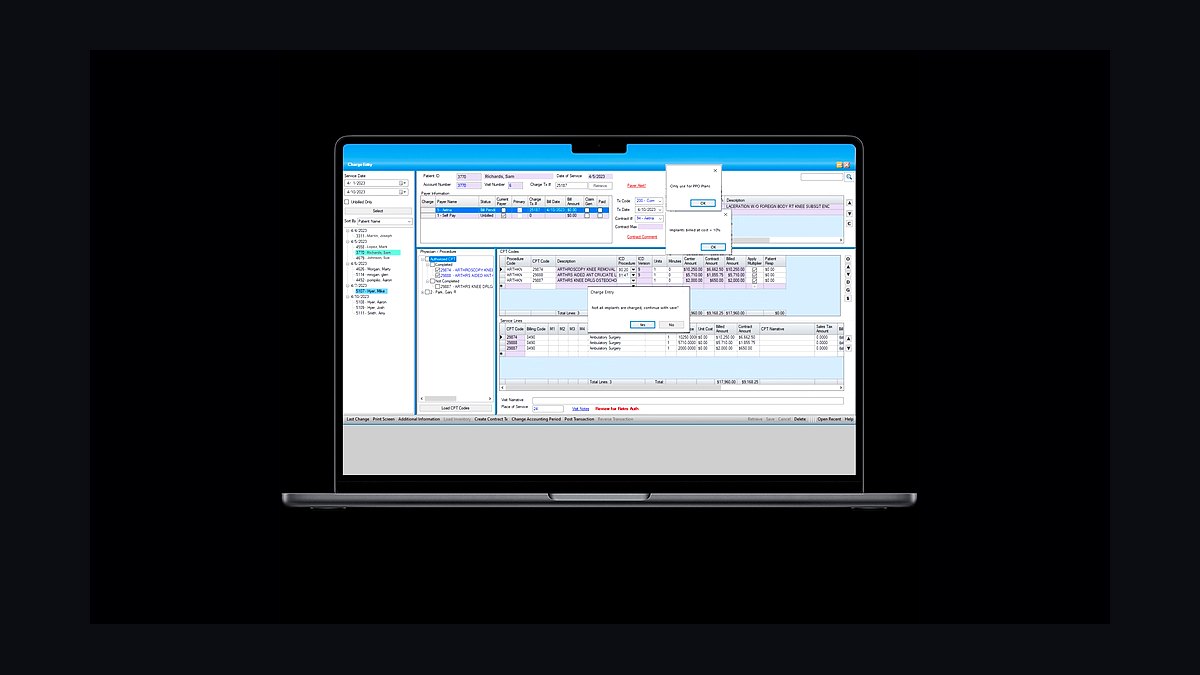
HST Pathways ranks first because it is the most widely adopted purpose-built EHR and surgery-management platform for ambulatory surgery centers, bundling HSTeChart clinical documentation, block scheduling, and HST Case Coordination in one spine. Single-to-small centers typically pay $1,500-$6,000 per month depending on OR count and module mix, and utilization analytics for turnover and first-case on-time starts ship natively rather than as add-ons.
It fits single-OR ophthalmology centers through mid-size multi-specialty ASCs that want speed-to-value over enterprise standardization. It trades away some multi-entity reporting depth that SIS Complete offers chains, and its inventory module is lighter than Envi for complex implant catalogs. Compare it to SIS Complete directly below: pick HST for faster go-live at one or two sites, SIS when standardizing many centers.
2Surgical Information Systems SIS Complete
SIS Complete ranks second because it is the strongest enterprise ASC platform for chains and larger multi-specialty centers, absorbing AmkaiSolutions into a suite covering perioperative documentation, scheduling, analytics, and centralized reporting across sites. It wins on multi-facility standardization, where corporate teams need one utilization and cost-per-case view across dozens of ORs rather than per-center dashboards.
It suits ASC chains and management companies running centralized revenue cycle and group purchasing, not a single-OR center that would pay for enterprise overhead it never uses. It trades away HST Pathways' faster, simpler deployment and lower entry pricing. Against HST above, SIS is the right call when multi-center reporting and standardization outweigh speed-to-value.
3Casetabs Case Coordination

Casetabs ranks third because surgical case coordination across surgeon offices, reps, and the center is where block utilization is actually won, and Casetabs is the dominant specialized tool for it, typically running $300-$1,500 per month by case volume and location count. It handles scheduling confirmations, implant and equipment requests, and pre-op communication that EHR-native modules handle thinly in multi-surgeon centers.
It fits multi-specialty ASCs coordinating several surgeons' offices and device reps per day, not single-surgeon centers where the EHR scheduler suffices. It trades away being a full clinical record, so it must integrate with HST or SIS rather than replace them. Against Envi below, Casetabs coordinates the case while Envi tracks the supplies consumed in it.
4Envi Inventory Optimization Solutions
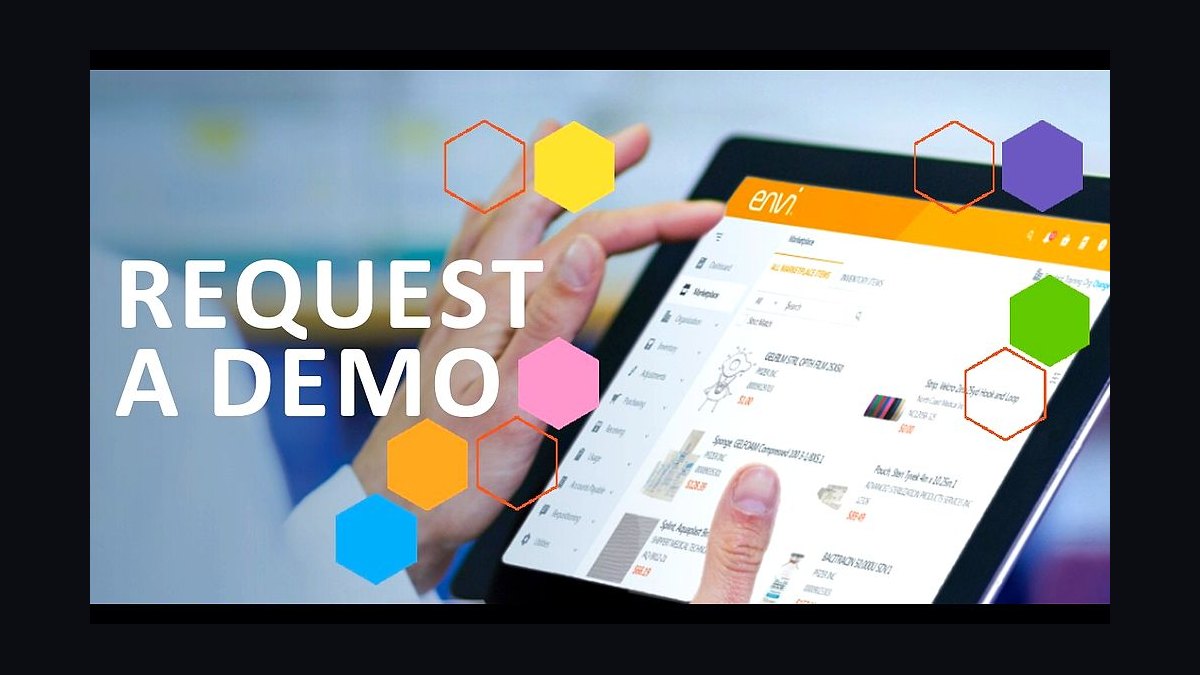
Envi ranks fourth because implants and high-cost supplies are the largest controllable cost in ortho, spine, and ophthalmology ASCs, and Envi is the dominant specialized inventory platform handling par levels, purchasing, lot and serial implant capture, and per-case material costing. Pricing is custom, commonly $500-$2,500 per month by center size and catalog complexity.
It fits multi-specialty centers where implant cost can approach or exceed the facility reimbursement if unreconciled, not lean single-specialty GI centers that run fine on native EHR inventory. It trades away clinical documentation entirely, attaching to the case record rather than owning it. Against Casetabs above, Envi answers what the case consumed and what it cost, not who was scheduled.
5Plexus TG Anesthesia Management
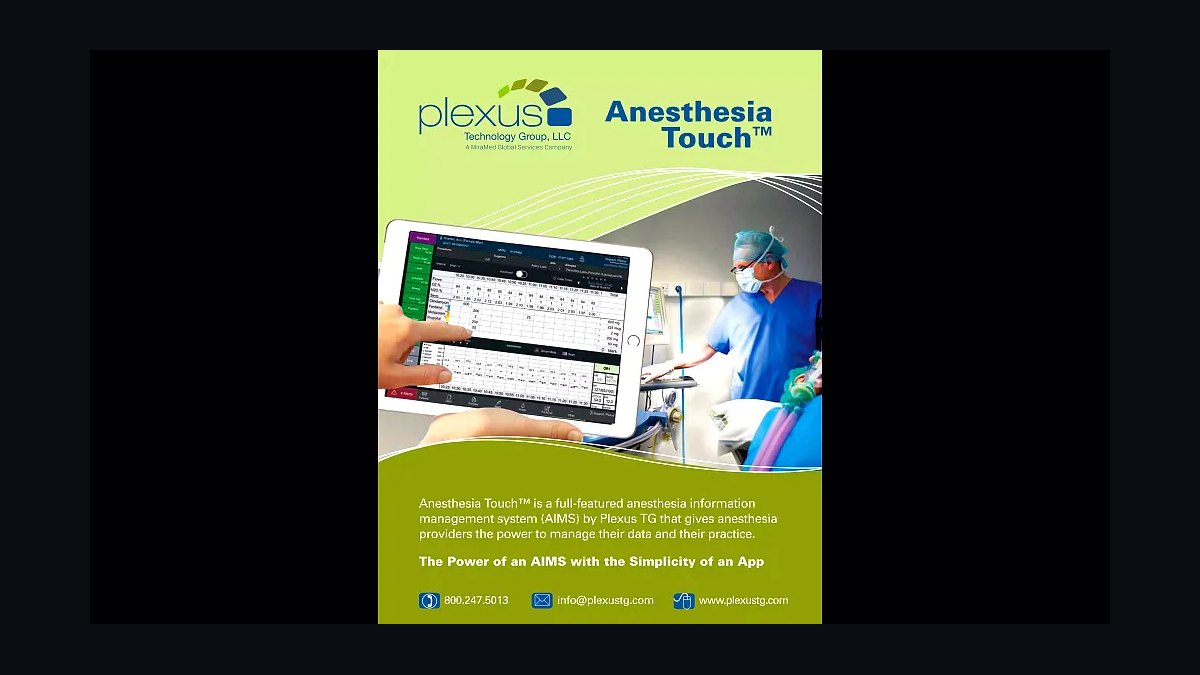
Plexus TG ranks fifth because anesthesia documentation, pre-anesthesia evaluation, intra-op vitals capture, and MIPS/QCDR quality reporting carry requirements the surgical EHR handles only partially, and Plexus TG is a common ASC-specific choice at roughly $300-$1,200 per month per case or provider. It keeps anesthesia records survey-ready without relying on paper or generic charting.
It fits centers with employed or contracted anesthesia groups that need defensible perioperative records, not centers whose anesthesia providers already document fully inside HST or SIS natively. It trades away being a full EHR, integrating as a module. Against Graphium Health, Plexus TG is the more established ASC option; Graphium competes on newer quality-reporting workflows.
6Surgical Notes ASC Revenue Cycle
Surgical Notes ranks sixth because ASC billing is its own discipline, running on facility case rates, ASC payment groups, multiple-procedure reductions, and out-of-network carve-outs that generic billing mishandles. With SourceMed lineage, it covers transcription, surgical coding, and RCM, licensed at roughly $1,000-$4,000 per month or outsourced at 4-7% of collections.
It fits single and small centers that cannot hire surgical coding expertise for one site, and mid-size centers wanting a hybrid model. It trades away in-house control that a large chain building centralized RCM would want. Against Simplify ASC below, Surgical Notes has deeper transcription and coding heritage; Simplify competes on RCM workflow and reporting.
7Simplify ASC Revenue Cycle
Simplify ASC ranks seventh because it delivers ASC-specific revenue cycle workflow covering case-rate claims, implant invoicing, and payer contract handling without requiring a center to build surgical billing internally. It competes directly with Surgical Notes, licensed as software or run as an outsourced service, with pricing negotiated by case volume and scope.
It fits centers that want modern RCM reporting and cleaner denial analytics than legacy billing modules provide, and multi-site groups standardizing collections workflow. It trades away the transcription depth Surgical Notes carries from its SourceMed lineage. Against Surgical Notes above, Simplify is the workflow-and-reporting pick; Surgical Notes is the coding-and-transcription pick.
8Phreesia Patient Intake
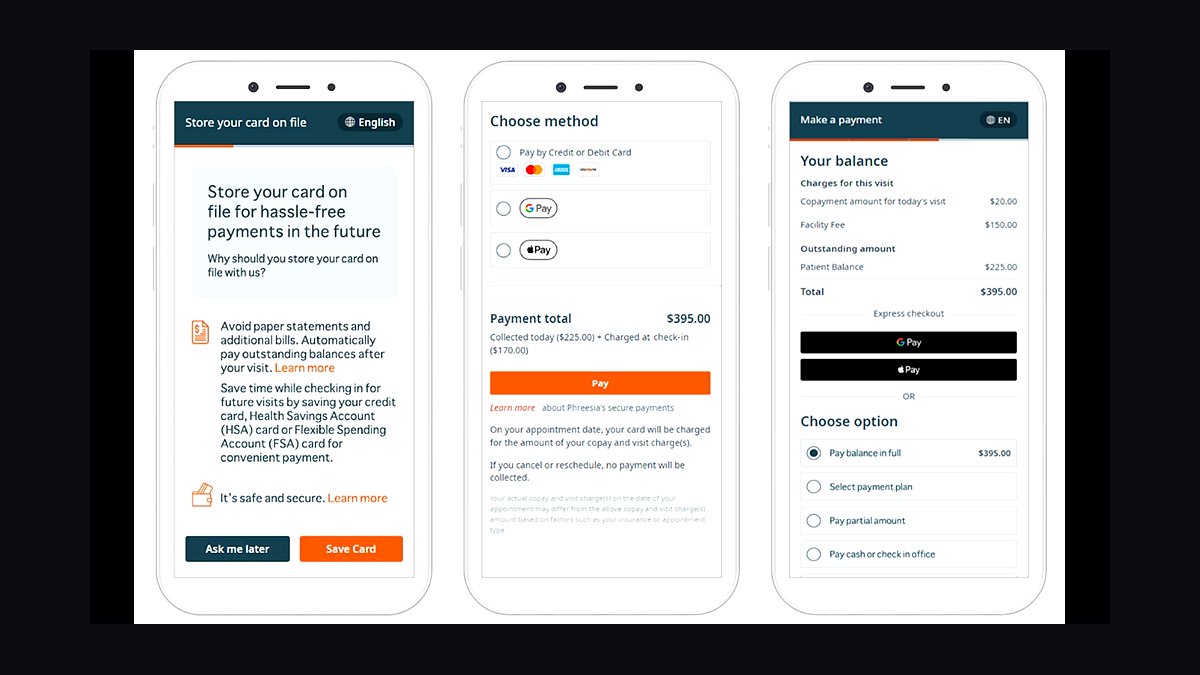
Phreesia ranks eighth because digital registration, insurance verification, pre-op questionnaires, consents, and patient-pay estimates directly reduce day-of-surgery cancellations, which are pure lost OR minutes in a fixed-asset business. It is custom-priced, often $500-$2,000 per month for a center, and leads the intake and eligibility category.
It fits centers with front-desk load and eligibility denials worth automating, not centers whose EHR portal already covers surgical pre-op coordination adequately. It trades away clinical depth, sitting upstream of the chart. Against the HST patient portal, Phreesia brings stronger eligibility and payment-estimate tooling; the portal wins on native integration with the ASC record.
9Sage Intacct ASC Accounting
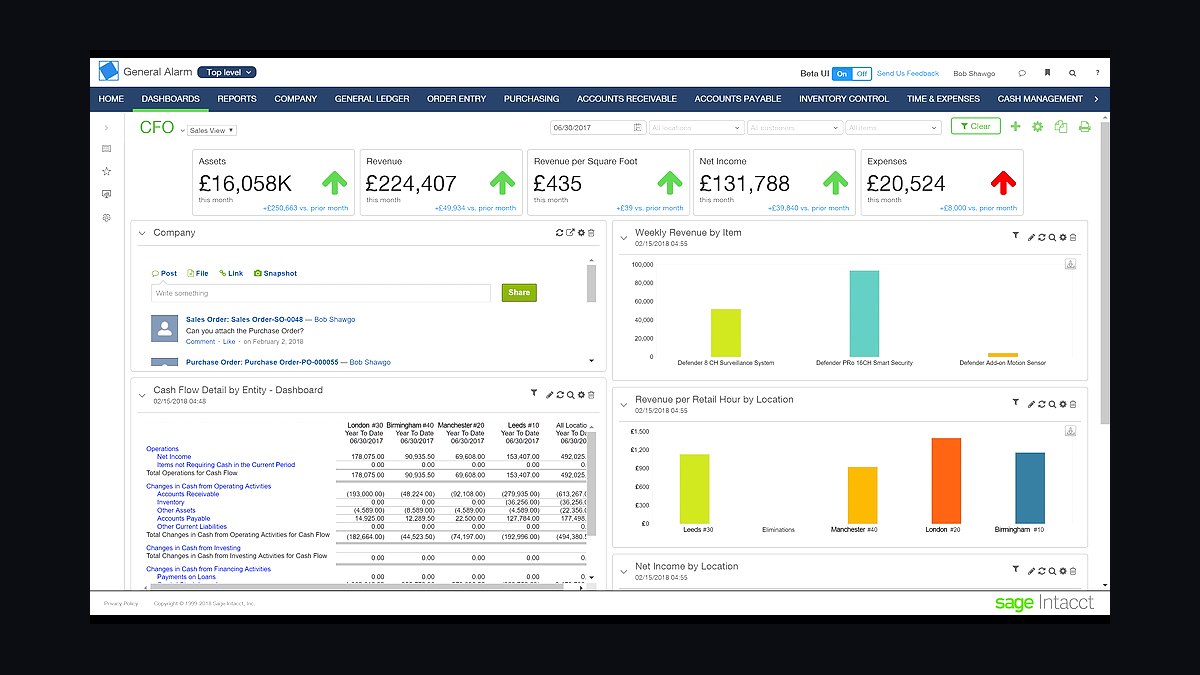
Sage Intacct ranks ninth because multi-entity ASCs and management companies need dimensional reporting by center, specialty, and partner distribution that QuickBooks cannot produce, at roughly $400-$1,000-plus per month. It handles the partner-distribution and per-center profitability accounting that physician-owned ASC structures demand.
It fits chains and management companies with multiple entities and distributions, not a single-OR center that runs fine on QuickBooks Online at $35-$235 per month. It trades away simplicity and low cost for dimensional depth. Against QuickBooks below, Intacct is the multi-entity answer; QuickBooks is the lean single-center answer.
10Microsoft Power BI ASC Analytics
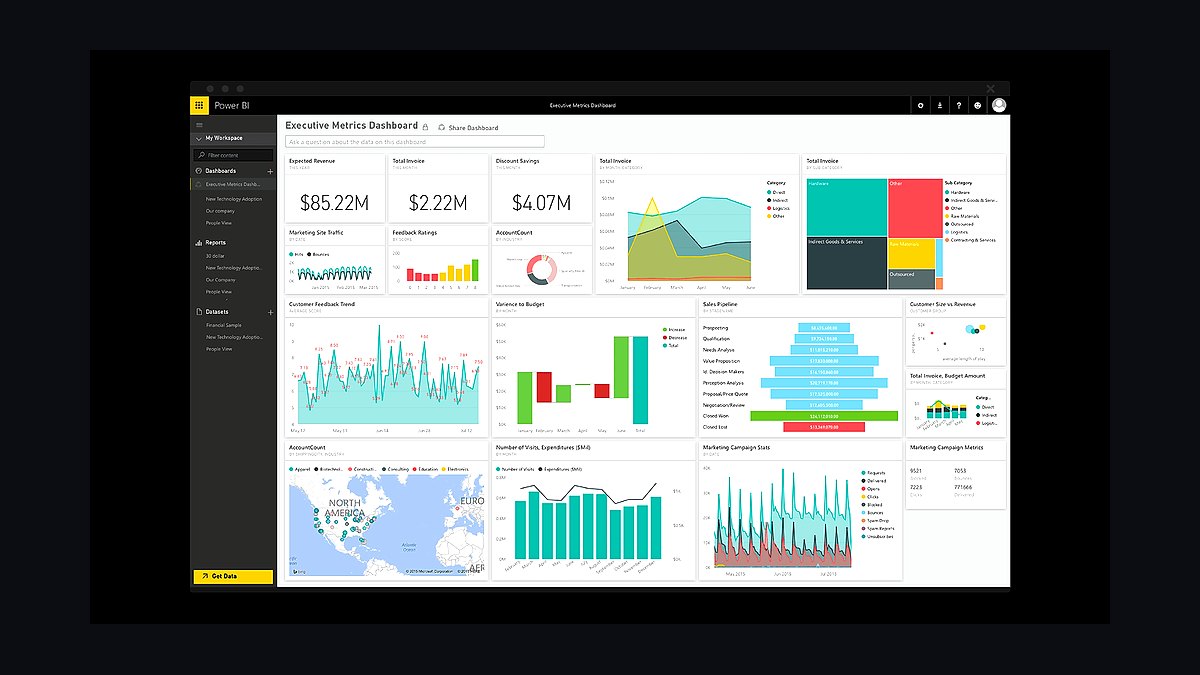
Power BI ranks tenth because once utilization, case costing, RCM, and accounting must agree on profit per case and utilization per room, a BI layer pulls the sources together at about $14 per user per month. Chains stand up a small data warehouse behind it to standardize cost-per-case dashboards across centers.
It fits multi-OR centers and chains that have outgrown EHR-native dashboards and need cross-system reporting, not a single-OR center still establishing baseline utilization tracking. It trades away being operational software, requiring clean data from the layers above. Against EHR-native dashboards, Power BI wins on cross-source flexibility; native dashboards win on zero integration effort.
How we ranked these
We ranked tools by weighting ASC-native clinical fit (25%), operating-room scheduling and block-utilization depth (20%), implant and case-costing capability (15%), surgical revenue-cycle strength (15%), integration and interoperability (10%), accreditation and perioperative documentation support (10%), and total cost of ownership (5%). Scores came from vendor documentation, KLAS and analyst reporting, and operator interviews across single-OR, multi-specialty, and chain settings.
We deliberately ignored generic office-based EHR rankings, ambulatory primary-care feature checklists, and consumer review volume, because none predict surgical throughput or case profitability. We also excluded marketing claims about AI and analytics without deployed ASC references, and we did not weight hospital-grade ERP breadth, since ASCs need room turnover and case costing far more than inpatient scale.
What to look for
What matters most is whether the platform is ASC-native: block allocation, turnover tracking, first-case on-time starts, perioperative documentation, and case-rate billing must be first-class, not configured add-ons. Confirm implant lot and serial capture ties consumed supplies to the specific case and payer, because that is where margin quietly disappears in ortho, spine, and ophthalmology.
The mistake most buyers make is choosing an office EHR or practice-management product because it is cheaper or already familiar, then discovering it cannot model a 90-minute surgical case, cannot produce survey evidence, and cannot bill case rates correctly. A second common error is buying inventory and RCM separately without integration, forcing manual reconciliation that hides loss-making case types.
Related questions
Why is operating-room utilization the key metric for an ASC tech stack?
An ASC is a fixed-asset business where a few rooms either run full or lose money. Utilization, turnover time, and on-time starts drive revenue far more than visit volume. That is why the EHR and scheduling spine must track block allocation and room minutes natively, not through office-style appointment slots.
How is surgical revenue cycle different from office E&M billing?
ASC claims run on facility case rates, ASC payment groups, multiple-procedure reductions, and often out-of-network contracts. Coding leans on surgical CPT codes, implant invoicing, and modifiers office billing never sees. Generic billing modules under-code these claims, so ASC-specific RCM is usually required.
Do small ASCs really need dedicated implant and supply tracking?
Only if high-cost implants drive the case mix. Ortho, spine, and ophthalmology centers should track lot and serial numbers and tie consumed materials to each case and payer. Single-specialty, low-implant centers can often use the EHR's native inventory module until volume justifies a standalone platform.
What does an anesthesia information management module add?
Anesthesia documentation, pre-anesthesia evaluation, intra-op vitals capture, and quality reporting have their own requirements and billing rules. Dedicated tools like Plexus TG or Graphium Health handle MIPS and QCDR submission, while some centers rely on the anesthesia module native to HST or SIS.
How should a center handle accreditation and survey readiness?
Configure the EHR and anesthesia layer so time-outs, medication administration, infection-control logs, and quality measures are captured as a byproduct of normal documentation. Running the accreditor's readiness checklist continuously beats assembling binders the month before a survey, when gaps are hardest to fix.
When does an ASC need a data warehouse and BI layer?
When utilization, case costing, RCM, and accounting must agree on profit per case and utilization per room. Single centers often get by with EHR dashboards or Power BI. Multi-site chains typically stand up a small warehouse behind Power BI or Tableau to standardize reporting across centers.
Should ASC revenue cycle be outsourced or brought in-house?
Single centers commonly outsource at roughly 4-7% of collections because surgical coding expertise is hard to hire. Multi-OR and chain operators usually bring RCM in-house once volume supports dedicated coders, since centralized billing improves denial management and contract modeling at scale.
What is the biggest integration risk when building an ASC stack?
Buying inventory, anesthesia, and RCM as disconnected tools that do not feed the clinical record. Manual reconciliation between systems hides loss-making case types and slows claims. Insist on documented interfaces or APIs from the EHR spine before signing any downstream vendor.
FAQ
What is the best tech stack for an ambulatory surgery center in 2027?
An ASC-native EHR and surgery-management platform such as HST Pathways or Surgical Information Systems, paired with OR scheduling and block management, implant and case-costing tools like Casetabs and Envi, an anesthesia module such as Plexus TG, and surgical revenue cycle from Surgical Notes or Simplify ASC. The EHR and scheduling spine is the defining decision.
Is HST Pathways or SIS Complete better for an ASC?
HST Pathways is the most widely adopted purpose-built ASC platform and bundles scheduling, clinical documentation, and case coordination. SIS Complete is the stronger enterprise alternative, especially for chains, and absorbed AmkaiSolutions. Single and multi-specialty centers commonly choose HST; large multi-site operators often choose SIS.
How much does an ASC tech stack cost per month?
A single-OR center typically spends roughly $4,000-$10,000 monthly in software plus outsourced RCM at 4-7% of collections. A multi-OR multi-specialty center runs about $12,000-$30,000 monthly. Chains negotiate at platform scale, with per-center economics falling while central platform and data costs rise.
Can an ASC run on a standard office EHR?
Poorly. Office EHRs cannot model surgical case duration, block allocation, turnover, or perioperative documentation that satisfies a surveyor. They also lack case-rate and implant billing logic. Centers that try usually cannot quantify idle-room minutes or pass accreditation cleanly, and end up re-platforming within two years.
What is Casetabs used for in an ASC?
Casetabs coordinates the surgeon's office, the center, and device representatives around each scheduled case. It handles case communication, scheduling confirmations, and implant capture, reducing day-of-surgery surprises. It typically runs roughly $300-$1,500 monthly depending on case volume and number of locations.
How does Envi fit into an ASC supply chain?
Envi, from Inventory Optimization Solutions, manages par levels, purchasing, and lot and serial implant tracking for ASCs. It feeds accurate per-case material cost into case costing and billing. Pricing is custom, commonly $500-$2,500 monthly based on center size and catalog complexity.
Which clearinghouse should an ASC use for surgical claims?
Waystar and Availity are the common choices, providing claim scrubbing, submission, and remittance that integrate with ASC-specific RCM platforms. The clearinghouse matters less than the billing engine's understanding of case rates, multiple-procedure reductions, and out-of-network workflows.
What accounting software do ASCs typically use?
Single centers usually run QuickBooks Online at $35-$235 monthly. Multi-entity ASCs and management companies choose Sage Intacct, roughly $400-$1,000 or more monthly, because it supports dimensional reporting by center, specialty, and partner distribution, which matters for physician ownership structures.
How long does it take to implement a new ASC tech stack?
A reasonable sequence is 30 days to stand up the EHR and scheduling spine, 60 days to attach inventory, anesthesia, and revenue cycle, and 90 days to stabilize reporting and accreditation workflows. Chains should expect longer timelines because centralized RCM and data warehouse work runs in parallel.
What should an ASC demand before signing an EHR contract?
Demand documented interfaces to inventory, anesthesia, RCM, and the clearinghouse, plus utilization reporting on day one. Ask for references from centers with your exact specialty mix and OR count, and require implant and case-costing workflows to be demonstrated live, not described in a slide.
Sources
- https://www.cms.gov/medicare/health-safety-standards/certification-compliance/ambulatory-surgical-centers
- https://www.aaaahc.org/
- https://www.jointcommission.org/
- https://klasresearch.com/
- https://www.hstpathways.com/
- https://www.sisfirst.com/
- https://www.surgicalnotes.com/
- https://www.waystar.com/
- https://www.availity.com/
- https://www.sageintacct.com/
Related on PULSE
This page will be disappearing soon. Save it to your device for $1 — or read it free while it is here.
@Kory-White- · if Venmo asks, the last 4 of my number are 2012
This page is gone.
This one is off the shelf now. $1 keeps it on your phone for good — the whole page, pictures and diagrams included.
 pulse-tech-stacksTop 10 Best Tech Stack Tools for Movie Theaters in 2027
 pulse-tech-stacksTop 10 Best Tech Stack Tools for MSP and IT Services Companies in 2027
 tkTop 10 Best Tech Stack Tools for Concrete and Paving Contractors in 2027
 pulse-tech-stacksTop 10 Best Tech Stack Tools for Plastics and Injection Molding Manufacturers in 2027
 pulse-tech-stacksTop 10 Best Tech Stack Tools for AI Music Generation Companies in 2027
 pulse-tech-stacksTop 10 Best Tech Stack Tools for API Security Vendors in 2027
 pulse-tech-stacksTop 10 Best Tech Stack Tools for Home Inspection Companies in 2027
 pulse-tech-stacksTop 10 Best Tech Stack Tools for B2B SaaS Companies in 2027
 pulse-tech-stacksTop 10 Best Tech Stack Tools for Small Pest Control Companies in 2027
 pulse-tech-stacksTop 10 Best Tech Stack Tools for Staffing Agencies in 2027