


Top 10 Best Tech Stack Tools for Vacation Rental Management Companies in 2027
Quality
Certified
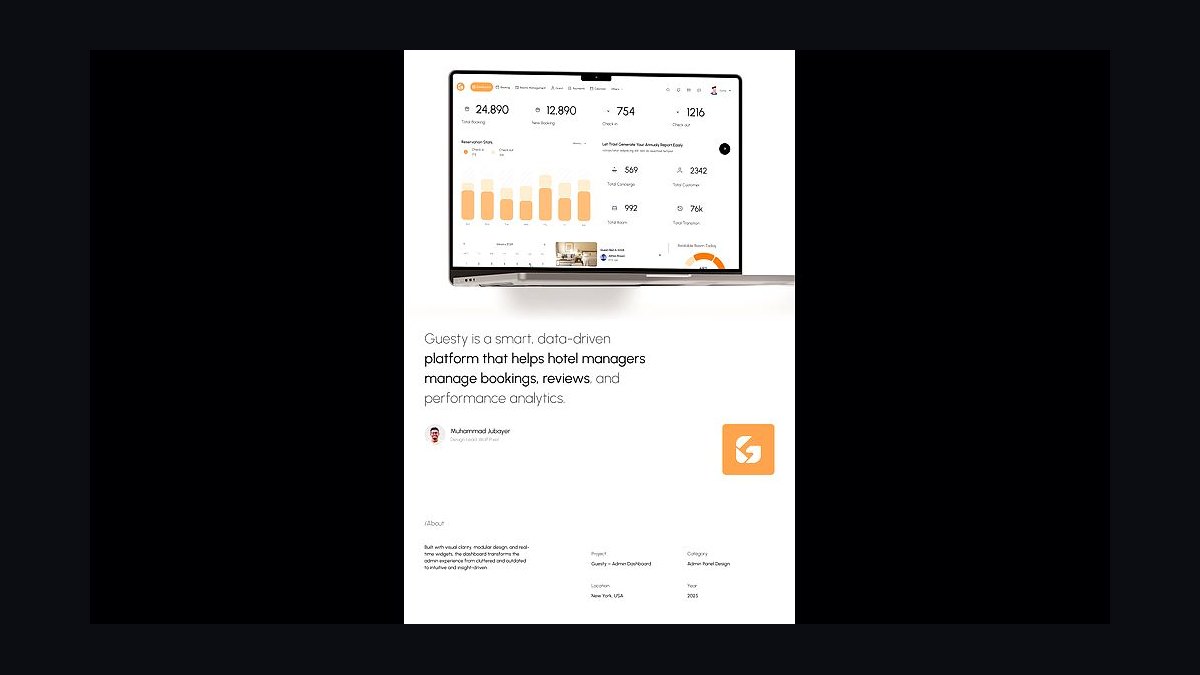
The 10 best tech stack tools for vacation rental management companies are ranked below on measured performance, build quality, price, and how each one actually holds up in daily use rather than how it reads on a spec sheet. Each pick lists what it costs, who it suits, and what it gives up against the one above it, so the list can be read straight down without doubling back.
1Guesty Property Management System
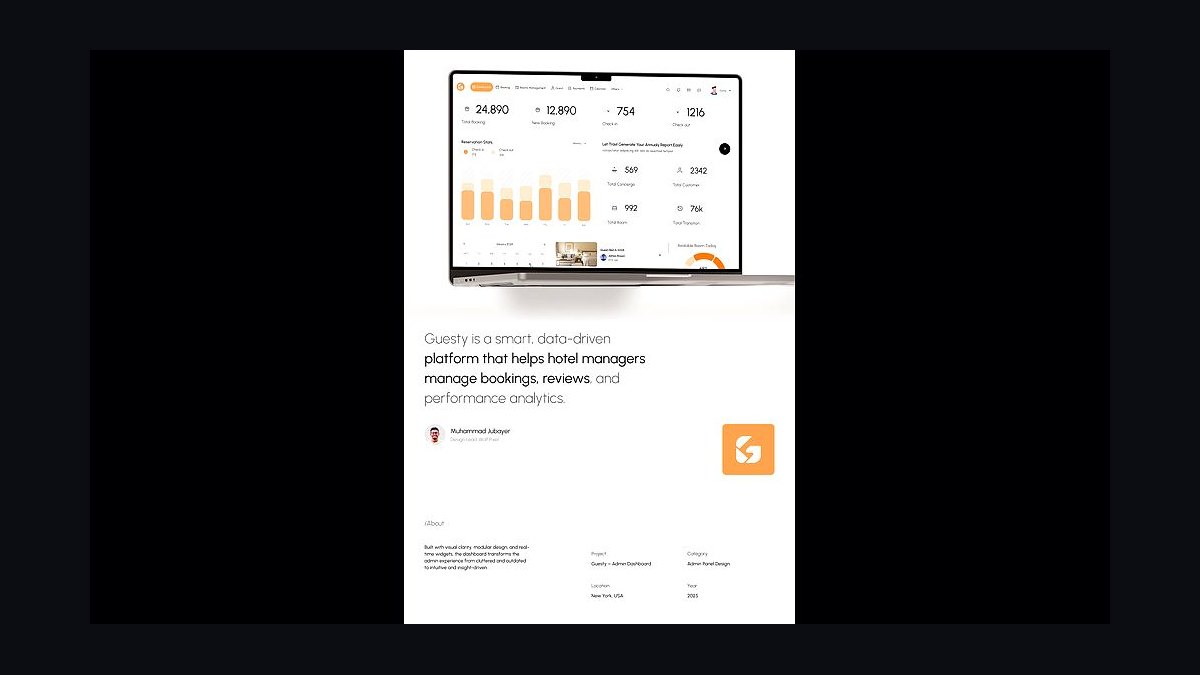
Guesty ranks first because it is the only platform that combines a real-time channel manager, unified inbox, automation, and owner reporting in one spine for 30 to 1,000+ unit managers. Pricing is quote-based, typically 1.5 to 3 percent of booking revenue or roughly $40 to $120 per listing monthly at scale. Its Airbnb, Vrbo, and Booking.com API sync is two-way and near-instant, which is the single defense against double-bookings.
It is built for mid-to-large professional managers who need owner statements and multi-channel distribution without stitching five vendors together. It trades away cheap entry pricing and some direct-booking website flexibility that Lodgify or OwnerRez offer. Compared to Hostaway directly below, Guesty wins on enterprise depth and owner accounting but costs more per listing for the same 10 to 200 unit range.
2Hostaway Vacation Rental Software
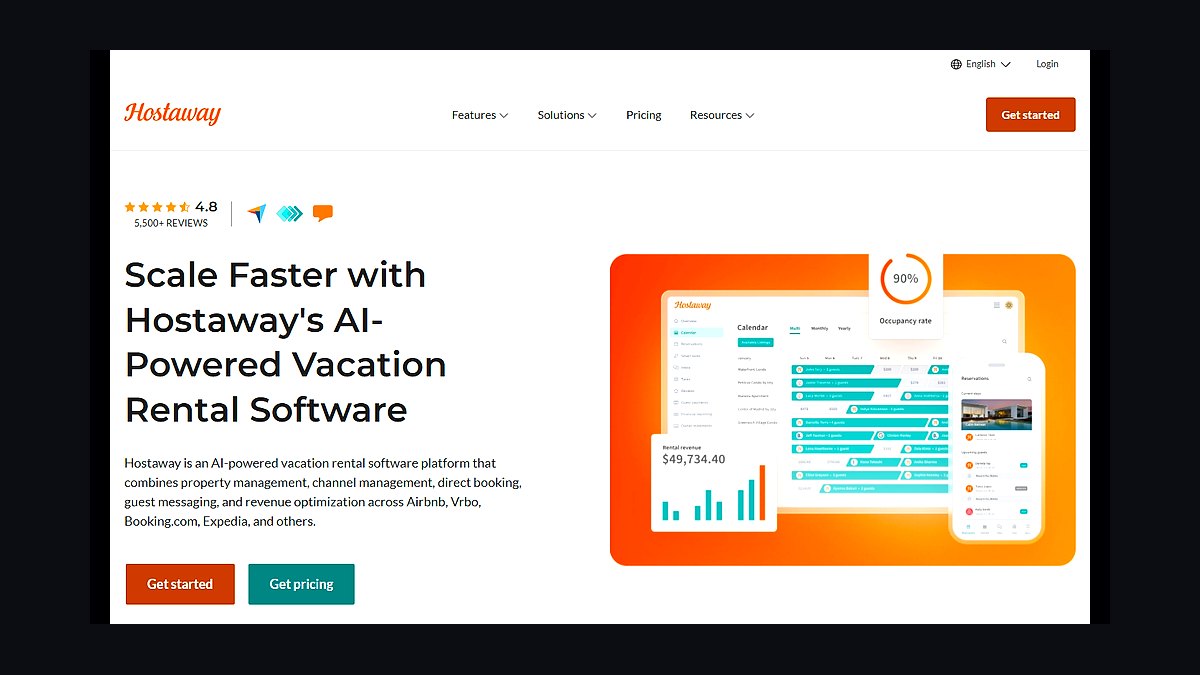
Hostaway ranks second because it delivers nearly the same channel-manager depth as Guesty at a lower per-listing cost, making it the value pick for managers in the 10 to 200 unit range. It syncs availability, rates, and listing content across Airbnb, Vrbo, and Booking.com through official APIs, and bundles a unified inbox, automation, and owner reporting. Per-listing pricing is often materially cheaper than Guesty at comparable volume.
It suits growing managers who want professional-grade distribution without enterprise contracts or percentage-of-revenue fees. It trades away some of Guesty's deepest owner-accounting and enterprise tooling, and its reporting is less customizable out of the box. Against Guesty above, Hostaway is the cost-effective twin; against Track below, it is far easier to onboard but weaker on true trust accounting.
3Track Hospitality Software
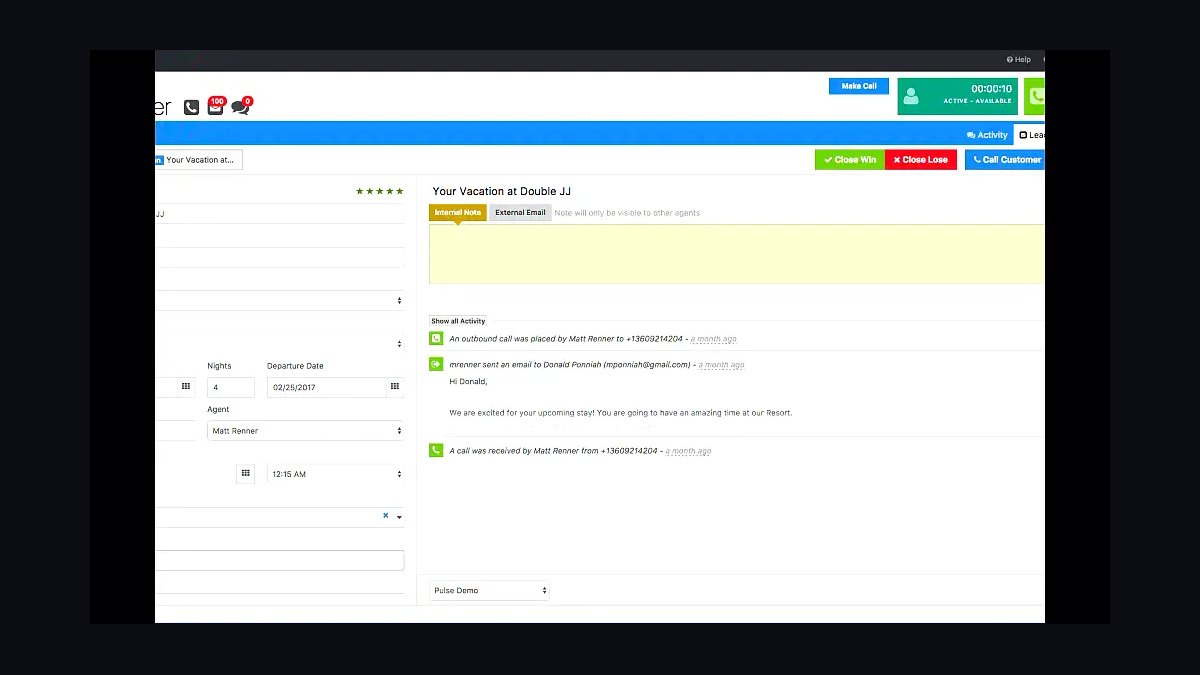
Track ranks third because it is the strongest PMS for professional and enterprise managers who need genuine trust accounting, multi-entity owner payouts, and call-center tooling. Where Guesty and Hostaway are automation-first, Track is accounting-first: it produces audit-ready owner statements, handles separate trust accounts by law, and supports large portfolios across many ownership entities. It is the platform regional managers graduate to when owner money gets complicated.
It is for 100+ unit managers with fiduciary complexity, not boutique hosts. It trades away the polished modern UI and fast self-serve onboarding that Hostaway offers, and implementation takes longer. Compared to Guesty above, Track wins on trust accounting and loses on out-of-the-box marketing and direct-booking features.
4PriceLabs Dynamic Pricing
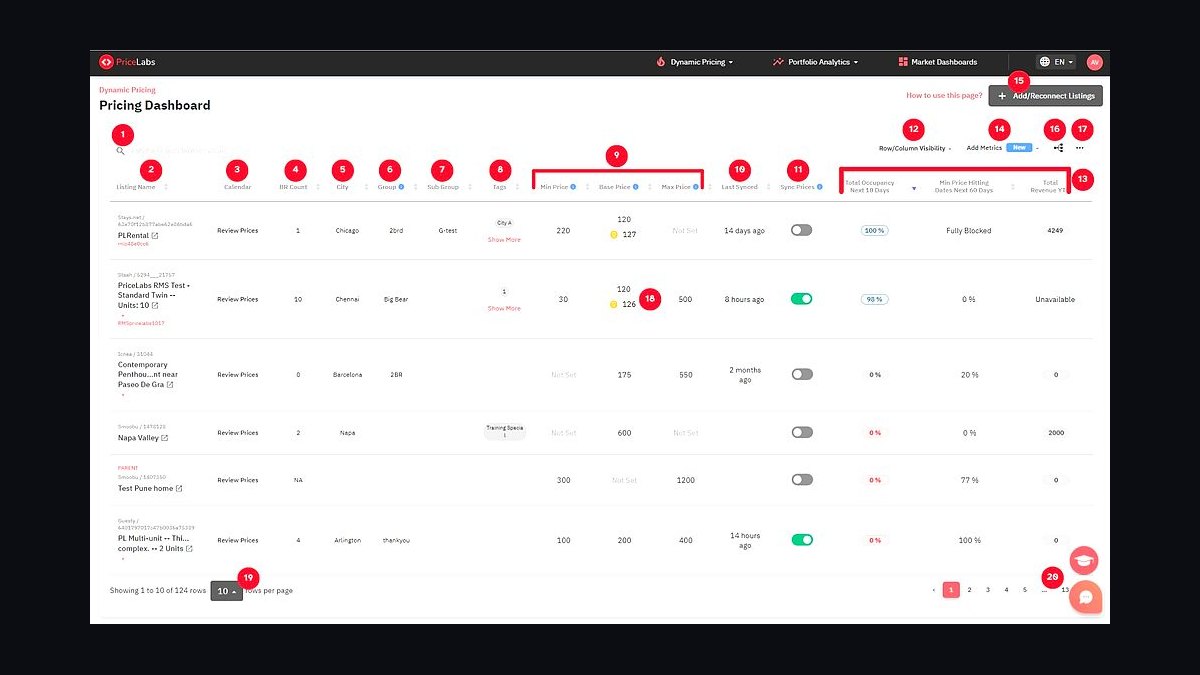
PriceLabs ranks fourth because dynamic pricing is the highest-ROI software in the stack, and PriceLabs is the engine most managers standardize on. It sets per-night, per-unit rates from local demand, seasonality, day-of-week, lead time, and comparable listings, with customizable rules and minimum-stay logic. Pricing starts around $19.99 per listing monthly for the first unit, with volume discounts that drop per-unit cost sharply across a portfolio.
It is for every operator from a single host to a 500-unit manager, because a mid-single-digit lift on gross booking value dwarfs its cost. It trades away hands-off simplicity: rules need monthly tuning or you get $40 peak nights. Against Beyond below, PriceLabs is flat-fee and more controllable; against the PMS above, it is an add-on that only works once channel sync is proven.
5Beyond Revenue Management
Beyond ranks fifth because it offers a genuinely hands-off revenue model that charges roughly 1 percent of booked revenue rather than a flat per-listing fee, aligning its incentive with the manager's. It applies market demand data and algorithmically adjusts rates across a portfolio without requiring the constant rule-tuning PriceLabs demands. For managers who do not want a named revenue owner reviewing rules monthly, that is a real operational saving.
It is for managers who prefer percentage-based pricing and trust automation over granular control. It trades away the fine-grained rule customization and transparent comps that Wheelhouse and PriceLabs provide, and at high revenue per unit the 1 percent can exceed a flat fee. Against PriceLabs above, Beyond is simpler but less controllable.
6Breezeway Operations Platform
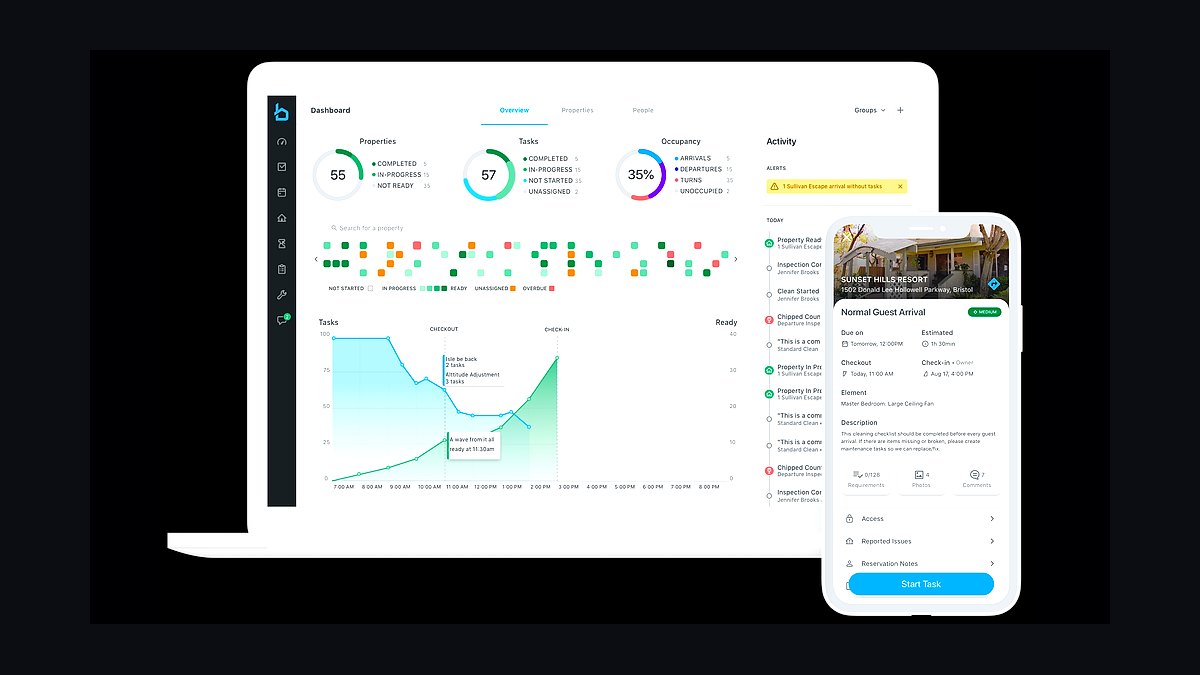
Breezeway ranks sixth because turnover coordination is the operational layer that protects reviews, and Breezeway handles cleaning, inspections, and maintenance in one platform. It auto-schedules tasks from reservations, dispatches to staff or vendors, and requires photo verification, with pricing commonly around $5 to $15 per unit monthly. For larger managers it replaces group-text coordination that causes dirty-unit arrivals and instant one-star reviews.
It is for managers past roughly 20 units who need inspections and maintenance tracking, not just cleaning dispatch. It trades away the low cost and simplicity of Turno, and its per-unit pricing adds up across a large portfolio. Against Turno below, Breezeway is heavier and more capable; against the PMS above, it is an operational spoke, not the spine.
7Turno Cleaning Software
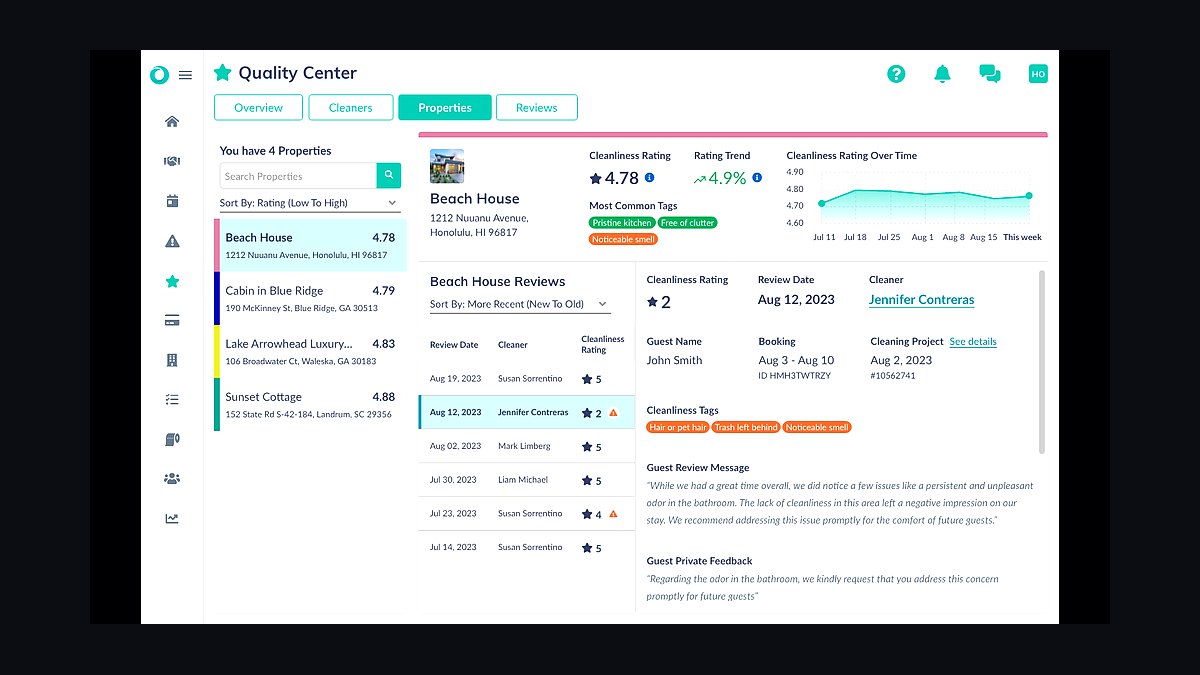
Turno ranks seventh because it auto-schedules a clean the instant a checkout is booked, dispatches to your crew or its marketplace, and collects photo verification at roughly $8 to $15 per property monthly. That checkout-triggered automation is the exact mechanism that prevents a guest walking into a dirty unit, which is the fastest route to a one-star review and an emergency relocation. It is the standard for scheduling and verification at the small-to-mid tier.
It is for boutique managers and single hosts scaling to a few units who need dispatch without an operations platform. It trades away inspections, maintenance task management, and vendor workflows that Breezeway provides. Against Breezeway above, Turno is cheaper and faster to adopt but narrower; against Autohost below, it solves turnover rather than guest risk.
8Autohost Guest Screening
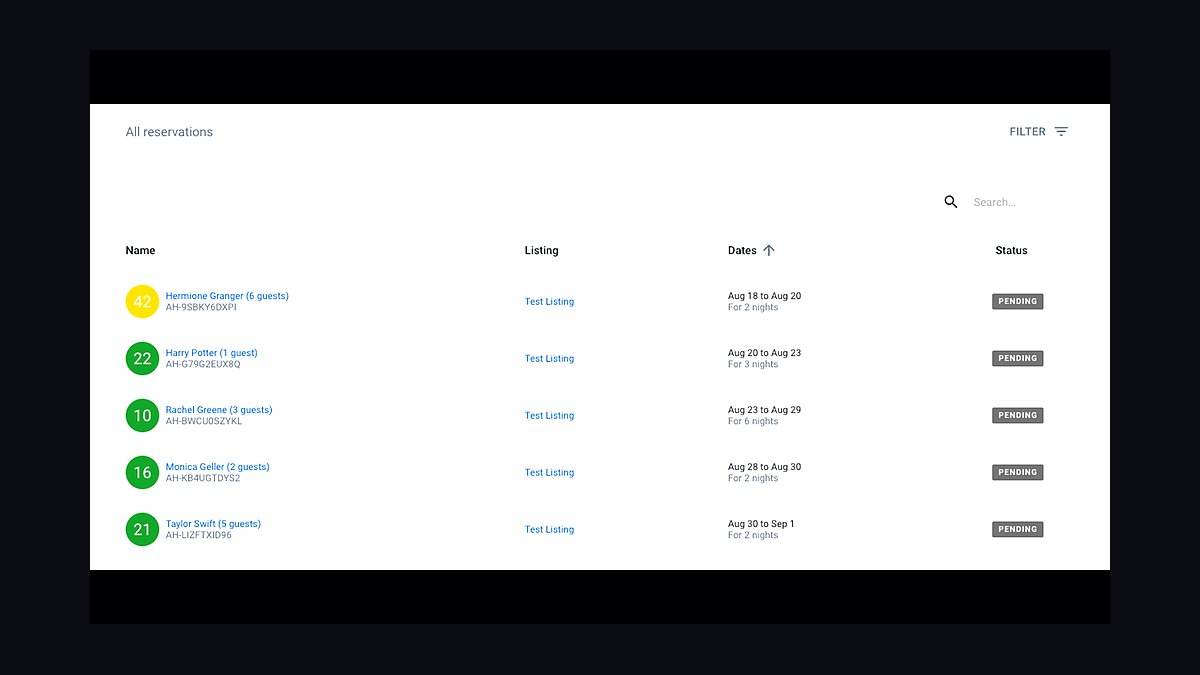
Autohost ranks eighth because guest screening and fraud detection protect owner homes from parties and chargebacks, a risk that grows with every additional listing. It screens reservations for fraud signals and party risk before check-in, typically costing $1 to $3 per reservation, and integrates with major PMS platforms so screening happens automatically at booking. For managers of high-value homes, one prevented party pays for a year of screening.
It is for managers with premium or high-occupancy properties where a single incident damages owner trust and insurance standing. It trades away being a full operations tool: it screens and flags, it does not schedule cleans or dispatch maintenance. Against Turno above, Autohost addresses guest risk rather than turnover; against the PMS above, it is a thin protective layer, not a system of record.
9RemoteLock Smart Access
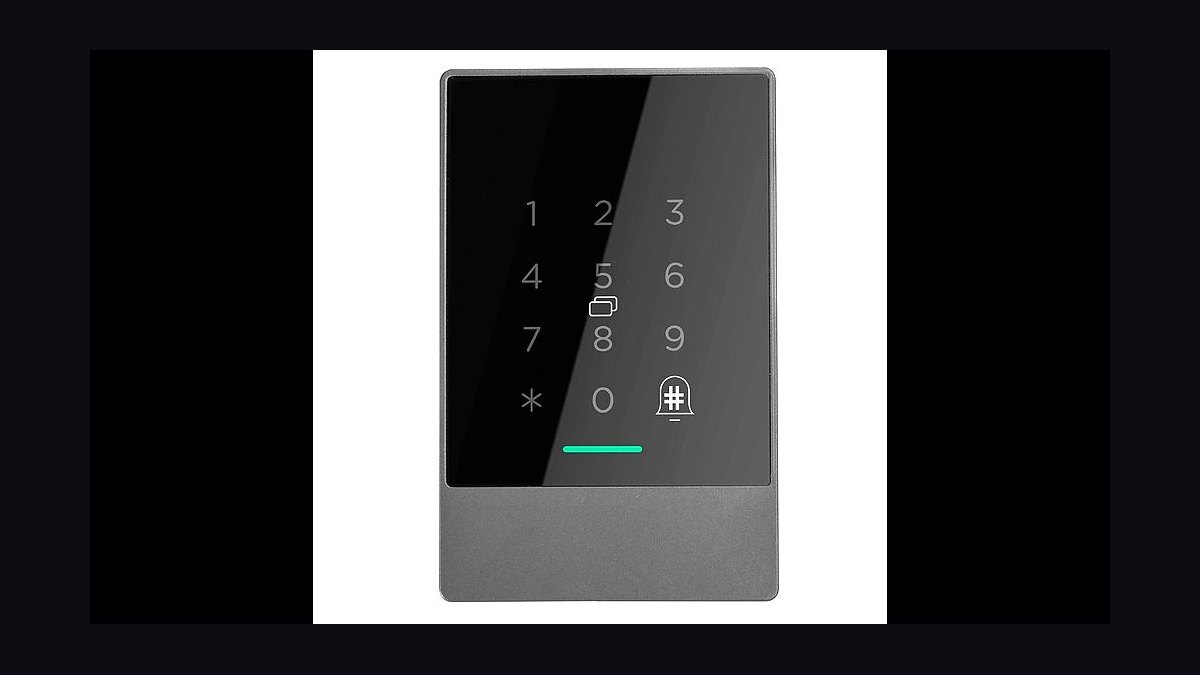
RemoteLock ranks ninth because contactless access at scale requires one system that generates a unique door code per reservation across many lock brands. It centralizes codes, revokes them automatically at checkout, and eliminates the lockbox-and-text-message key handoff that breaks at 2 a.m. Hardware runs roughly $50 to $250 per door installed plus a small per-unit monthly fee, and it works with August and Yale locks at the unit level.
It is for managers running remote check-in across dozens of doors who need one access dashboard rather than per-property apps. It trades away in-home energy and occupancy intelligence that Operto bundles alongside access. Against Operto below, RemoteLock is narrower and lock-focused; against the PMS above, it is an access spoke that depends on reservation data flowing from the spine.
10QuickBooks Online Accounting
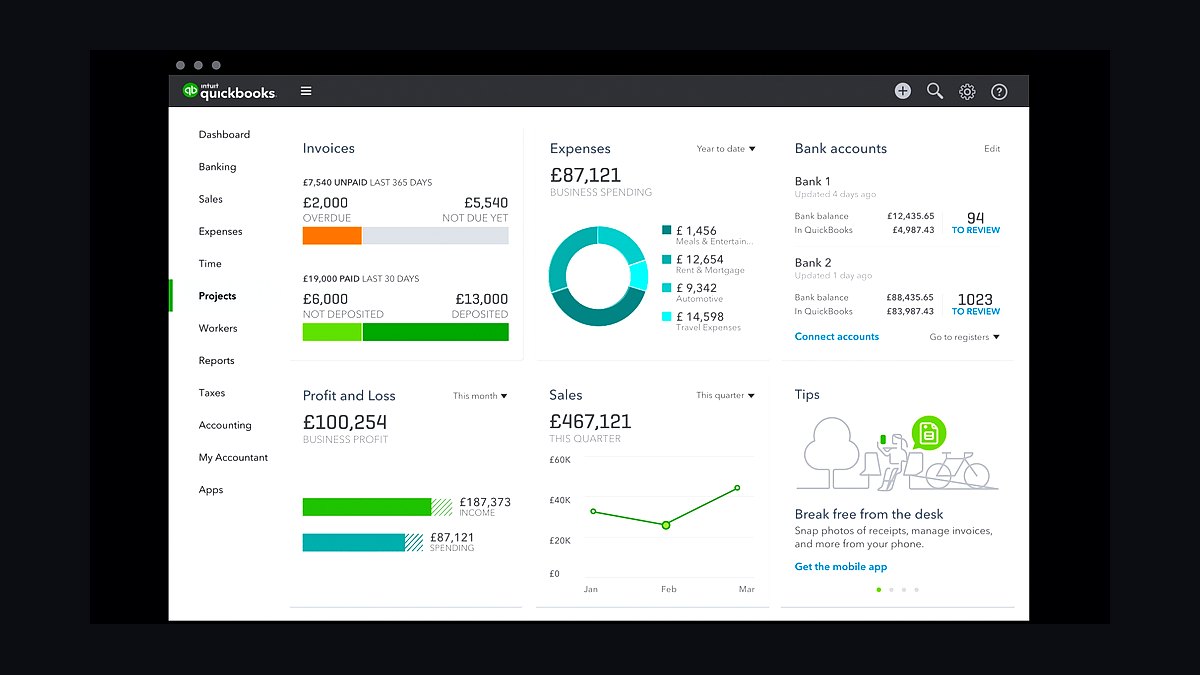
QuickBooks Online ranks tenth because owner trust accounting has to land in a real ledger, and QuickBooks is the standard books layer at roughly $30 to $90 monthly. PMS owner-statement modules feed gross revenue, commissions, pass-through expenses, and lodging taxes into QuickBooks, producing the accurate on-time monthly statement that retains owners. Late or opaque statements are the number-one reason owners fire managers, so this layer is not optional.
It is for managers of any size who need clean books, with Sage Intacct taking over for larger firms needing true fund accounting and audit trails. It trades away genuine trust/fund accounting and multi-entity audit trails that Sage Intacct provides. Against the PMS above, QuickBooks is the ledger, not the system of record for reservations and calendars.
How we ranked these
We ranked each tool on five weighted criteria: channel-manager sync reliability (30%), per-night dynamic pricing depth (25%), owner trust accounting and statements (20%), turnover and cleaning coordination (15%), and integration breadth with locks, payments, and BI (10%). Scores came from vendor documentation, published API coverage, pricing pages, and operator-reported double-booking and statement-accuracy incidents across portfolios from 5 to 500 units.
We deliberately ignored brand popularity, review-site star averages, and feature-count marketing. We also excluded affiliate-driven "best of" rankings, conference sponsorship visibility, and any tool whose pricing is hidden behind a sales call with no published range. Those signals reward sales spend, not operational fit, and they tell a manager nothing about whether a calendar will actually sync at 2 a.m.
What to look for
What matters most is whether the PMS channel manager does true two-way, near-real-time sync on both availability and rates across Airbnb, Vrbo, and Booking.com, and whether owner trust accounting is native rather than bolted on. Pricing depth per night per unit and turnover verification are the next two levers. Integration breadth matters only after those four are proven with your own listings.
The mistake most buyers make is choosing the PMS last. They fall in love with a pricing engine or a cleaning app, then discover it does not integrate cleanly with the PMS they already run, forcing manual exports. Pick the PMS spine first, confirm the OTA APIs and accounting module, then layer pricing, screening, and cleaning on top. Never let two OTAs sell the same night.
Related questions
What is the single most important tool in a vacation rental management stack?
The PMS with a real channel manager. It is the only system that prevents double-bookings, which cost a relocation, a refund, and a review hit every time. Pricing, cleaning, and accounting all hang off that single source of truth. If the channel manager is weak, switch PMS rather than bolting on a second sync tool.
Do small STR managers really need dynamic pricing software?
Yes. PriceLabs and Beyond typically lift gross booking value by mid-single to low-double digits, which dwarfs the roughly $20 per listing monthly cost. Manually pricing 80 units across 365 nights is impossible, and even a handful of units leaves money on the table in peak season without per-night rate adjustments.
How does owner trust accounting differ from normal bookkeeping?
Managers collect guest money, hold owner funds, often in a legally separate trust account, deduct commission and pass-through costs, remit lodging taxes, and pay each owner their net. That requires genuine fund accounting and per-owner statements, not a spreadsheet. Track, Streamline, Guesty, and OwnerRez handle this natively; QuickBooks alone does not.
What is the best way to coordinate cleaning across many units?
Use software that auto-schedules a clean the moment a checkout is booked, dispatches to your crew or a marketplace, and requires photo verification. Turno is the standard for scheduling and verification, while Breezeway adds inspections and maintenance for larger operations. Coordinating turnovers by group text is how one-star reviews happen.
When should a manager add a data warehouse and BI layer?
Usually past 75 to 150 units, when spreadsheets can no longer answer what RevPAR is by market or net payout by owner this month. Pipe PMS data into a warehouse and build Power BI dashboards so owners and the operations team work from the same occupancy, ADR, and RevPAR numbers.
Are smart locks and noise monitors worth the cost?
Yes for any manager running remote check-ins. RemoteLock centralizes door codes across lock brands and issues a unique code per reservation; Minut adds noise and occupancy monitoring to catch parties without cameras. Budget roughly $50 to $250 per door installed plus a small per-unit monthly fee for monitoring.
How much should a 50-unit manager budget for software monthly?
Roughly $1,500 to $4,000 per month depending on PMS pricing model. That covers Guesty or Hostaway, PriceLabs at volume rates, Breezeway or Turno, Autohost screening, RemoteLock, QuickBooks, and basic Power BI reporting. Percentage-of-revenue PMS pricing scales with bookings, so model both before committing.
Can one platform replace the whole stack?
No. PMS platforms cover the spine, channel sync, inbox, and owner statements, but dedicated pricing, screening, cleaning, and access tools are meaningfully better at their layer. The realistic architecture is one PMS plus three to five best-of-breed add-ons connected through native integrations, not a single vendor doing everything poorly.
FAQ
Do I really need a dedicated channel manager, or can I just use Airbnb and Vrbo directly?
Once you run more than two or three listings across multiple OTAs, manual calendar management guarantees an eventual double-booking. A PMS with a real channel manager pays for itself the first time it prevents one relocation. Below three single-channel listings you can survive without it; above that it is mandatory.
Is dynamic pricing software worth it for a small portfolio?
Yes, and it is the first paid tool even single hosts should buy. PriceLabs typically lifts gross booking value by mid-single-digit to low-double-digit percentages, which dwarfs its roughly $20 per month per-listing cost. The only operators who skip it are those with one unit in a single-season market.
Guesty or Hostaway for a growing manager?
Both are excellent. Guesty tends to win at the upper-mid and enterprise range and for managers who want the deepest feature set and owner reporting; Hostaway is often more cost-effective per listing and very strong for managers in the 10 to 200 unit range. Run a trial with your actual listings and test OTA sync and accounting specifically.
How do owner payouts and trust accounting actually work?
You collect guest payments, hold owner funds, often legally in a separate trust account, deduct your commission and pass-through expenses, remit lodging taxes, and pay each owner their net. The PMS or an accounting module generates a monthly statement per owner. Larger firms move to Sage Intacct for genuine fund accounting and audit trails.
What is the best way to handle cleaning across many units?
Use software that auto-schedules a clean the instant a checkout is booked, dispatches to your team or a marketplace, and requires photo verification. Turno is the standard for scheduling and verification; Breezeway adds inspections and maintenance for larger operations. Never coordinate turnovers by group text.
When should I add a data warehouse and BI?
When spreadsheets can no longer answer what RevPAR is by market and net payout by owner this month quickly, usually past 75 to 150 units. Pipe PMS data into a warehouse and build Power BI dashboards so owners and your operations team work from the same occupancy, ADR, and RevPAR numbers.
How do I prevent double-bookings across Airbnb, Vrbo, and Booking.com?
Make the PMS the only place anyone touches a calendar, verify real-time API connections on both availability and rates, and never edit availability directly inside an OTA. Add instant-book buffers on high-risk units. Most double-bookings trace back to a delayed sync or a manual OTA edit, not to the software itself.
What is the biggest reason owners fire a property manager?
Late, inaccurate, or opaque owner statements. Owners tolerate a bad month of occupancy; they do not tolerate not understanding where the money went. A PMS with genuine trust accounting feeding a real ledger, plus a fixed monthly statement date, is the single best owner-retention investment a manager can make.
Should I build custom software or buy vendor platforms?
Buy until you are at national scale. Vacasa builds in-house because it runs tens of thousands of homes and needs proprietary pricing and distribution. Below roughly 500 units, vendor platforms plus a data warehouse and Power BI give you 90% of the capability at a fraction of the cost and risk.
How long does a full stack implementation take?
Plan 30 days to prove channel sync and migrate listings, 60 days to run pricing and cleaning in parallel with your old process, and 90 days to scale screening, direct booking, and reporting. Rushing the sync proof is how managers discover a double-booking problem during peak season instead of before it.
Sources
- https://www.pricelabs.co/
- https://www.guesty.com/
- https://www.hostaway.com/
- https://www.turno.com/
- https://www.breezeway.io/
- https://www.ownerrez.com/
- https://www.hospitable.com/
- https://www.remotelock.com/
- https://www.airbnb.com/
- https://www.vrbo.com/
Related on PULSE
This page will be disappearing soon. Save it to your device for $1 — or read it free while it is here.
@Kory-White- · if Venmo asks, the last 4 of my number are 2012
This page is gone.
This one is off the shelf now. $1 keeps it on your phone for good — the whole page, pictures and diagrams included.
 pulse-tech-stacksTop 10 Best Tech Stack Tools for Vulnerability Management Software Vendors in 2027
 pulse-tech-stacksTop 10 Best Tech Stack Tools for Employee Benefits Consulting Firms in 2027
 pulse-tech-stacksTop 10 Best Tech Stack Tools for Medical Billing and RCM Companies in 2027
 pulse-tech-stacksTop 10 Best Tech Stack Tools for Public Relations Agencies in 2027
 pulse-tech-stacksTop 10 Best Tech Stack Tools for Home Builders and Residential Developers in 2027
 pulse-tech-stacksTop 10 Best Tech Stack Tools for AI Legal Tech Companies in 2027
 pulse-tech-stacksTop 10 Best Tech Stack Tools for Independent Roofing Contractors in 2027
 tkTop 10 Best Tech Stack Tools for Fencing and Deck Contractors in 2027
 pulse-tech-stacksTop 10 Best Tech Stack Tools for Independent Wholesale Distribution Businesses in 2027
 pulse-tech-stacksTop 10 Best Tech Stack Tools for Email Security Vendors in 2027