


Top 10 Best Tech Stack Tools for Auto Body Shops in 2027
Quality
Certified
The 10 best tech stack tools for auto body shops are ranked below on measured performance, build quality, price, and how each one actually holds up in daily use rather than how it reads on a spec sheet. Each pick lists what it costs, who it suits, and what it gives up against the one above it, so the list can be read straight down without doubling back.
1CCC ONE Repair Workflow
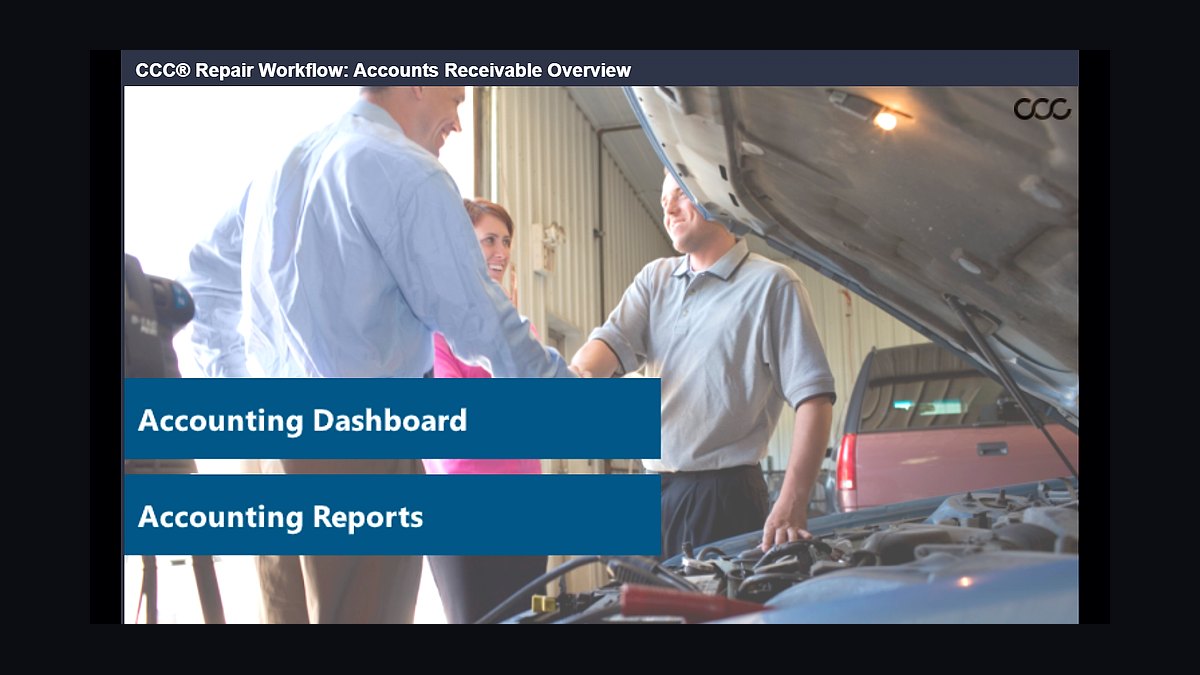
CCC ONE Repair Workflow ranks first because it carries the broadest carrier DRP footprint in North America, making it the default estimating spine for most US collision shops. Pricing runs near $595 monthly for the base tier, rising to roughly $895 with Advanced, which adds repair cost prediction, customer engagement messaging, and the DRP performance dashboard. Electronic estimate upload, supplement approval, and parts ordering each shave hours off every repair order.
This is built for single-location shops of eight to twelve bays that hold Progressive, GEICO, USAA, Liberty Mutual, Travelers, or Nationwide DRP relationships. It trades away flexibility, since carrier contracts effectively mandate the database, and it costs more than Mitchell alone. Compared to Mitchell Cloud Estimating directly below, CCC wins on carrier acceptance breadth but loses on price for shops whose mix is Mitchell-side.
2Mitchell Cloud Estimating

Mitchell Cloud Estimating ranks second because a meaningful subset of carriers and several large DRPs require it, forcing many shops to run it as a secondary estimator alongside CCC. It adds roughly $299 monthly to the stack. RepairCenter Enterprise runs about $399 monthly per location for multi-shop operators. Shops that skip it when a Farmers DRP or State Farm non-Select relationship exists re-key every supplement manually.
It is for shops with a documented carrier obligation, not for defensive buyers. It trades away money and training time if no real DRP writes through it, and shops that add it speculatively pay for a platform they never open. Compared to CCC ONE above, Mitchell is cheaper per seat but far narrower in carrier acceptance, so it belongs only where the mix demands it.
3PPG PaintManager XI

PPG PaintManager XI ranks third because refinish materials are a large recurring consumable expense and this software doubles as material inventory and cost reconciliation. It runs $95 to $150 monthly but frequently approaches zero when bundled with paint purchases through the jobber. It pushes line-item paint cost back into the estimating platform through the AdjustRite integration, so under-billed paint becomes visible instead of invisible margin loss.
It is for PPG refinish shops, since the platform follows the paint brand rather than shop preference. It trades away nothing financially when bundled, but it locks the shop into PPG volume commitments. Compared to Mitchell Cloud Estimating above, PaintManager XI is cheaper and narrower, covering paint reconciliation rather than estimating, and it only works if the shop already sprays PPG.
4Bodyshop Booster
Bodyshop Booster ranks fourth because inbound lead capture is a bottleneck for shops running a static quote form on their website. The standalone AI estimate tool sits near $399 monthly, while the full bundle runs about $599. The widget deploys on the shop website and Google Business listing so photo-based estimate requests land as draft repair orders rather than phone messages.
It is for shops that need demand generation, not for operators already saturated with DRP volume. It trades away money and setup time for a shop that does not need more leads, making it a poor fit for high-volume DRP shops. Compared to PPG PaintManager XI above, Booster addresses the front of the funnel rather than the refinish cost side, and the two rarely overlap in function.
5asTech by Repairify

asTech ranks fifth because pre-scan and post-scan reports plus OEM procedure printouts are now standard requirements for supplement approval on late-model vehicles. The subscription runs roughly $295 monthly and can be skipped if all scanning is sublet. State Farm, Allstate, and Progressive accept asTech scan reports without supplement friction, which directly protects recoverable supplement dollars on every 2020-and-newer repair order.
It is for shops holding those DRPs or handling late-model vehicles that require documented scans. It trades away capital and training time if the shop buys hardware instead of subscribing, and subletting is cheaper below roughly forty scans monthly. Compared to Bodyshop Booster above, asTech sits on the production side rather than demand capture, and it is non-negotiable for DRP compliance.
6QuickBooks Online Plus
QuickBooks Online Plus ranks sixth because the accounting loop must close cleanly or a one-person back office burns six to eight hours weekly on manual re-keying. It costs about $99 monthly, with Payroll Core adding $40. The connector between CCC ONE and QuickBooks runs $45 to $75 monthly and prevents the parts-versus-labor revenue miscoding that manual entry tends to produce.
It is for shops under roughly $1M in revenue with fewer than three locations. It trades away scalability, since multi-shop operators graduate to QuickBooks Online Advanced and above $10M in revenue to NetSuite. Compared to asTech above, QuickBooks handles the back office rather than diagnostics, and the connector pays for itself within two weeks by eliminating re-keying.
7ALLDATA Collision
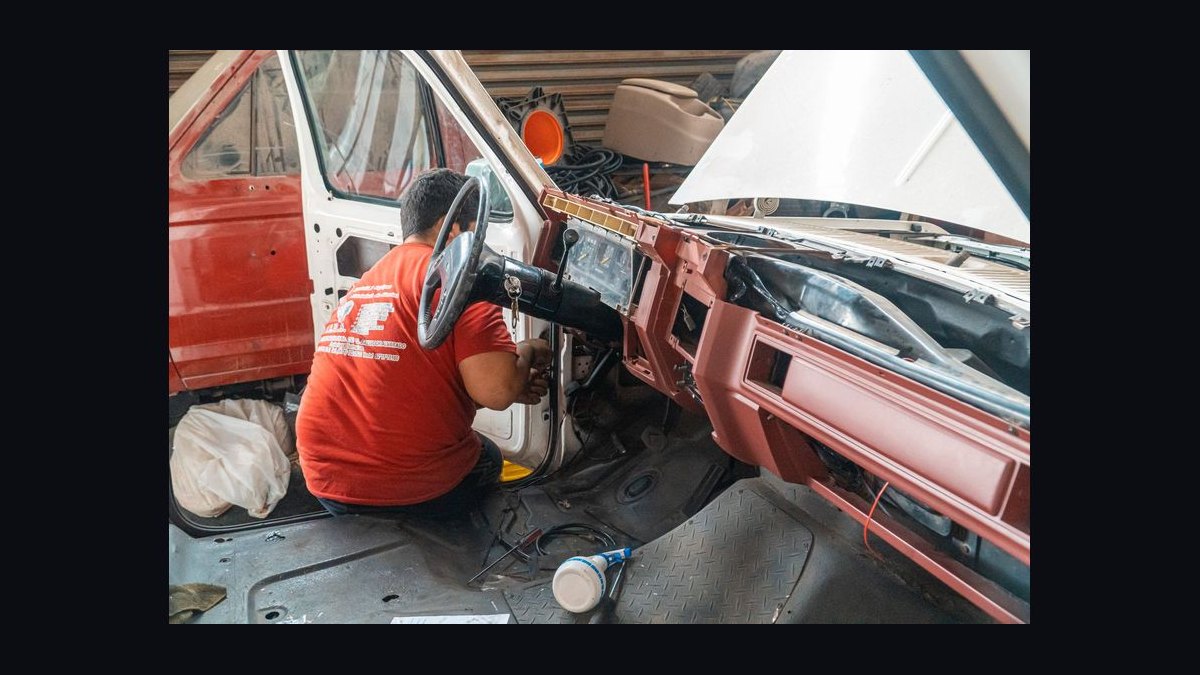
ALLDATA Collision ranks seventh because OEM repair procedure documentation is now required alongside scan reports for supplement approval on late-model vehicles. It runs roughly $199 monthly and covers procedure printouts that carriers expect attached to supplement submissions. Shops without procedure documentation cannot safely accept a 2024-or-newer vehicle, since OEM procedures govern structural and calibration work.
It is for shops doing structural repair on late-model vehicles, not for shops that sublet all heavy work. It trades away money if the shop rarely touches OEM-governed procedures, and it overlaps with OEM1Stop for some brands. Compared to asTech above, ALLDATA covers documentation rather than scanning, and the two are complementary rather than substitutes in a compliant stack.
8Audatex Qapter
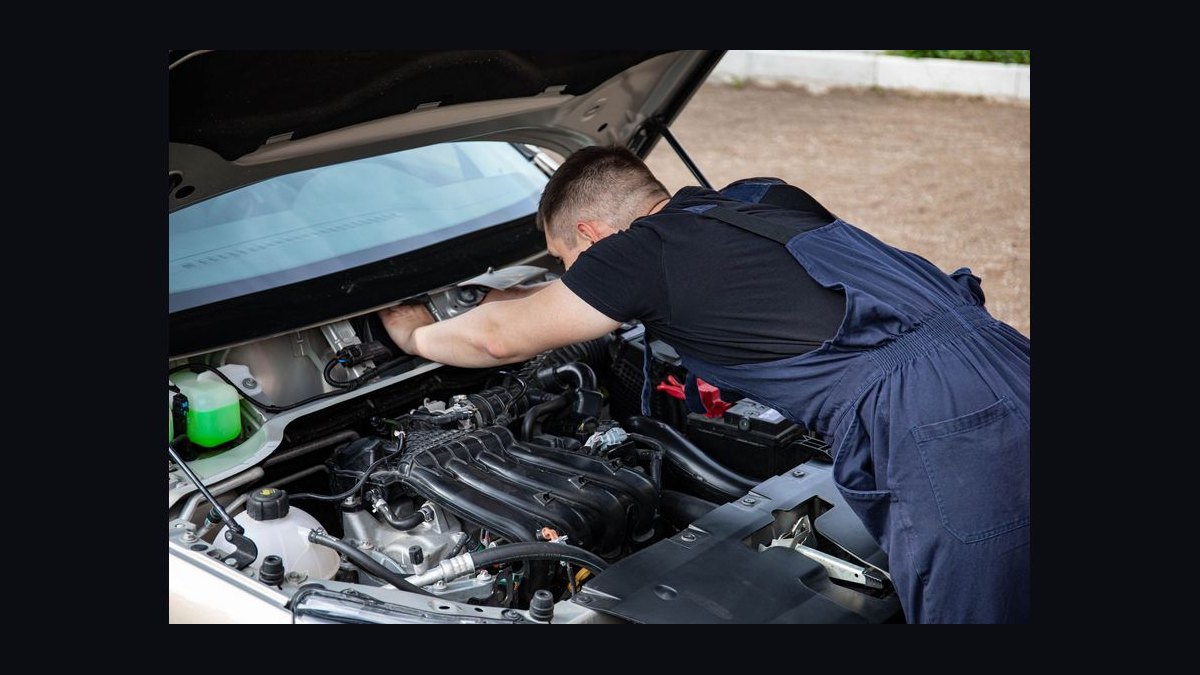
Audatex Qapter ranks eighth because it remains relevant for a smaller set of carriers and for shops with European-leaning brand mix. It is a legitimate primary estimator for those shops, though pricing is quoted rather than published. In North America the carrier DRP footprint skews heavily toward CCC and Mitchell, so an Audatex-primary shop may limit its DRP eligibility.
It is for shops whose carriers or brand mix actually write through Audatex, not for the majority of US shops. It trades away DRP breadth in exchange for European brand accuracy and carrier alignment where it applies. Compared to ALLDATA Collision above, Audatex handles estimating rather than procedure documentation, and choosing it wrongly means manual re-keying on every supplement.
9Mitchell Diagnostics

Mitchell Diagnostics ranks ninth because it suits shops already standardized on Mitchell for estimating and wanting a single-vendor diagnostic relationship. It covers the scanning and calibration side that asTech otherwise handles, and it integrates with the Mitchell estimating workflow rather than standing apart. Pricing is quoted, and it competes directly with asTech on the same vehicles.
It is for Mitchell-primary shops that want one vendor across estimating and diagnostics. It trades away the carrier acceptance that asTech enjoys with State Farm, Allstate, and Progressive, which is why most shops still choose asTech. Compared to Audatex Qapter above, Mitchell Diagnostics sits on the scan and calibration side rather than estimating, and it only makes sense inside an existing Mitchell relationship.
10QuickBooks Online Advanced

QuickBooks Online Advanced ranks tenth because multi-shop operators outgrow QuickBooks Online Plus once locations exceed three or revenue passes roughly $1M. It supports consolidated reporting and higher transaction volume than Plus, and it bridges the gap before a NetSuite migration above roughly $10M in revenue. Pricing is quoted per user and scales with seat count.
It is for growing multi-shop operators standardizing accounting across locations. It trades away simplicity, since the chart-of-accounts mapping and consolidated reporting take longer to configure than Plus. Compared to QuickBooks Online Plus above, Advanced costs more and adds consolidation, and it sits below NetSuite for operators approaching enterprise scale.
How we ranked these
We ranked tools by five weighted factors: carrier DRP acceptance footprint (30%), estimating-to-supplement workflow depth (20%), integration with paint, accounting, and diagnostics systems (20%), monthly cost at an 8-12 bay shop (15%), and OEM procedure and scan documentation coverage (15%). Scores came from published pricing, carrier program documentation, and vendor integration pages.
We deliberately ignored user-review sentiment scores, mobile app ratings, and vendor marketing claims about AI features. Those signals correlate poorly with whether a shop can actually get a supplement approved. We also excluded implementation consulting fees and training costs, since those vary too widely by region to compare fairly across tools.
What to look for
The deciding factor is your carrier mix, not estimator preference. Pull ninety days of repair orders, sort by carrier, and identify which estimating database your top five carriers write through. That single analysis determines your spine. Everything else, including paint software and diagnostics, integrates around that choice rather than driving it.
The mistake most buyers make is adding a second estimating platform defensively without checking whether a real carrier obligation exists. Mitchell at roughly $299 monthly is wasted spend if no DRP requires it. The second most common error is skipping the accounting connector, which costs $45 to $75 monthly but eliminates six to eight hours of weekly manual re-keying.
Related questions
Does a body shop need both CCC ONE and Mitchell Cloud Estimating?
Only if the carrier mix requires it. Review ninety days of repair orders sorted by carrier. If most DRP assignments come through carriers that write CCC estimates, skip Mitchell. A Farmers DRP or State Farm non-Select relationship typically forces the addition, since those programs specify the estimating database.
Can a shop operate on Audatex or Qapter instead of CCC ONE?
Yes, and it is legitimate for shops with European-leaning brand mix or carriers that write through Audatex. In North America, however, the carrier DRP footprint skews heavily toward CCC and Mitchell, so an Audatex-primary shop may limit its DRP eligibility and lose assignments it could otherwise accept.
How is CCC ONE priced if there is no public rate card?
Contracts are quoted per location and per VIN volume. Small shops commonly see estimating-only tiers in the high hundreds monthly, while full repair workflow at mid-size shops lands higher. Multi-shop deployments are negotiated and priced per location with volume considerations built into the agreement.
How should a shop handle ADAS calibration without buying equipment?
Sublet to a mobile calibration vendor on a per-calibration basis. Buying in-house equipment and training a technician generally only makes financial sense above roughly forty calibrations per month per location. Below that threshold, sublet pricing is almost always the lower total cost and avoids the capital commitment.
What is the fastest way to reduce cycle time?
Three moves deliver most of the gain: electronic supplements only with no phone calls to adjusters, parts ordered the same day the estimate locks rather than at teardown, and a daily work-in-progress huddle run off the production board. Shops executing all three typically pull two to three days out of keys-to-keys within ninety days.
Should paint software be chosen before or after the estimating platform?
After. The estimating platform determines which paint integrations are available, so choosing PaintManager XI before confirming CCC ONE as the spine can create a wiring problem. Select the paint platform by your refinish brand, then confirm the jobber supports the integration into your chosen estimating database.
Is a diagnostic scan subscription necessary for every shop?
Not every shop, but most. Pre-scan and post-scan documentation is now standard for supplement approval on 2020-and-newer vehicles. Shops with low late-model volume can sublet scanning entirely. Shops holding State Farm, Allstate, or Progressive DRPs typically need asTech or Mitchell Diagnostics in-house.
How does shop size change the recommended stack?
A 4-6 bay shop runs roughly $1,400 to $1,800 monthly and can skip ALLDATA and in-house scanning. An 8-12 bay shop lands near $2,000 to $2,800 with the full stack. Multi-shop operators add enterprise reporting and centralized accounting, typically $3,000 to $8,000 monthly in overhead.
FAQ
What is the single most important piece of software in a 2027 auto body shop?
The estimating platform, because it determines which carrier DRP assignments the shop can accept. CCC ONE carries the broadest carrier footprint in North America, which is why it functions as the default spine that every other system integrates around. Choosing it wrongly costs manual re-keying on every supplement.
How much should a single-location, 8-12 bay shop budget monthly for its full stack?
Roughly $2,000 to $2,800 monthly covers CCC ONE with the advanced tier, Mitchell Cloud Estimating, PPG PaintManager XI, Bodyshop Booster's full bundle, QuickBooks Online Plus with Payroll Core, asTech subscription, ALLDATA Collision, and the accounting connector. Pricing is quote-based, so actual figures vary by region and volume.
Is the accounting connector between the estimating platform and QuickBooks worth the cost?
Yes, in nearly every case. The connector runs $45 to $75 monthly and eliminates six to eight hours of weekly manual re-keying in a one-person back office. It also prevents the parts-versus-labor revenue miscoding that manual entry tends to produce. It typically pays for itself within two weeks.
Do insurers actually deny supplements that lack scan reports?
For late-model vehicles, yes. Pre-scan and post-scan documentation plus OEM procedure printouts are now standard requirements for supplement approval on 2020-and-newer vehicles. Shops that skip scanning absorb disallowed supplement amounts on every affected repair order, which compounds across a month of volume.
How long does a full stack rollout take?
Ninety days is a realistic target for full stabilization. The estimating platform installation runs two to four weeks, carrier DRP re-enrollment is the longest lead-time item at up to three weeks, and the accounting connector requires a chart-of-accounts mapping exercise that often exceeds the technical installation time.
Should a multi-shop operator standardize on one estimating platform or allow per-location variation?
Standardize. Consolidated reporting, enterprise pricing leverage, and consistent carrier scorecard data all depend on a common platform. Multi-shop operators running a single estimating layer across all locations negotiate better per-location rates and can compare performance across sites meaningfully rather than anecdotally.
What happens if a shop free-types supplements instead of using the database workflow?
Supplements written outside the estimating database are deniable at insurer review. The database workflow exists specifically to produce defensible line items tied to OEM procedures and parts pricing. Bypassing it converts a payable supplement into a write-off, and the pattern repeats on every affected repair order.
Is ADAS calibration equipment worth buying in-house?
Only above roughly forty calibrations per month per location. Below that threshold, subletting to a mobile calibration vendor is almost always cheaper than owning the equipment and training a technician. The capital commitment is significant and the training requirement adds ongoing labor cost that low-volume shops rarely recover.
How important is customer messaging consent capture at intake?
Critical, because automated SMS and email status updates require explicit opt-in. Shops that skip the consent step at the front counter find themselves unable to message customers at all, which directly depresses the CSI score that gates DRP renewal. Capture consent on the intake form, not later.
What is the biggest hidden cost in the collision tech stack?
Under-billed paint. If mixing software material data is not pushing into the repair order before close, paint is systematically under-billed on every RO. The gap compounds monthly and is nearly invisible without a reconciliation report, which is why paint integration wiring matters more than most owners assume.
Sources
- https://cccis.com/collision-repairers
- https://cccis.com/collision-repairers/shop-management
- https://www.mitchell.com/solutions/collision-repairers/repair-management/cloud-repair
- https://www.audatex.us
- https://claims.solera.com
- https://www.ppg.com/en-US/refinish
- https://www.repairify.com
- https://www.alldata.com
- https://www.jdpower.com/business/automotive/autoclaims
Related on PULSE
This page will be disappearing soon. Save it to your device for $1 — or read it free while it is here.
@Kory-White- · if Venmo asks, the last 4 of my number are 2012
This page is gone.
This one is off the shelf now. $1 keeps it on your phone for good — the whole page, pictures and diagrams included.
 pulse-tech-stacksTop 10 Best Tech Stack Tools for Public Relations Agencies in 2027
 pulse-tech-stacksTop 10 Best Tech Stack Tools for Small Pest Control Companies in 2027
 pulse-tech-stacksTop 10 Best Tech Stack Tools for Independent Food Trucks in 2027
 pulse-tech-stacksTop 10 Best Tech Stack Tools for Fine-Tuning Platform Companies in 2027
 pulse-tech-stacksTop 10 Best Tech Stack Tools for AI Customer Support Companies in 2027
 pulse-tech-stacksTop 10 Best Tech Stack Tools for Medical Billing and RCM Companies in 2027
 pulse-tech-stacksTop 10 Best Tech Stack Tools for Vulnerability Management Software Vendors in 2027
 pulse-tech-stacksTop 10 Best Tech Stack Tools for Pressure Washing Companies in 2027
 tkTop 10 Best Tech Stack Tools for Fencing and Deck Contractors in 2027
 pulse-tech-stacksTop 10 Best Tech Stack Tools for API Security Vendors in 2027