


Should I open or buy a Snappy Tomato Pizza franchise in 2027?
Quality
Certified
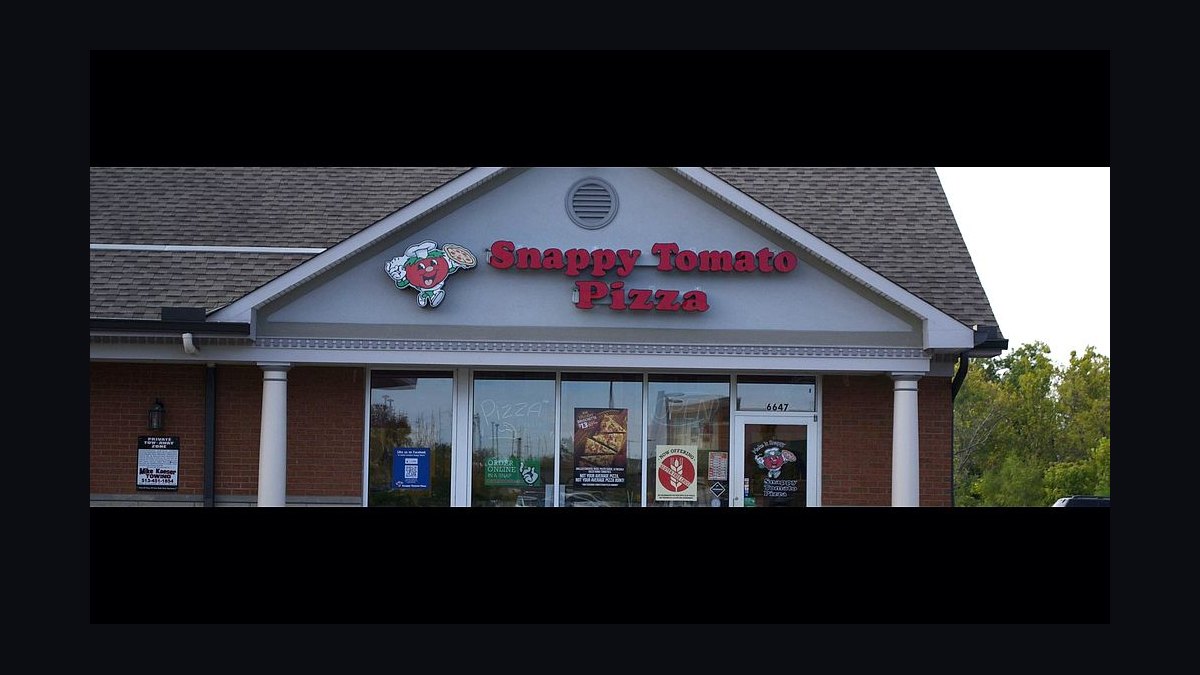
Yes, conditionally: Snappy Tomato Pizza rewards a cost-disciplined operator inside its Ohio/Kentucky/Indiana/West Virginia core who wants a low-capital, delivery-and-carryout franchise with an established regional brand — total investment runs $150,000–$500,000, and mature units clear $60,000–$160,000 on $500,000–$1.1 million in gross sales. Skip it outside that footprint or if you can't out-execute Domino's, Papa John's, and Little Caesars on delivery speed.
The two options compared
"Open or buy" is really two different transactions wearing one brand, and Snappy Tomato Pizza's small system — roughly 50 to 70 units — sharpens the choice more than it would inside a 5,000-unit national chain, because there simply aren't hundreds of resale listings to sift through at any given moment. Understanding both paths before signing anything is the highest-leverage step a prospective franchisee can take, and it's worth treating as a genuinely separate decision from whether Snappy Tomato is the right brand at all.
Opening a brand-new unit means signing the current franchise agreement, paying the $20,000–$25,000 franchise fee, and building a delivery-and-carryout restaurant from an empty shell — typically 1,200 to 2,000 square feet with minimal or no dine-in seating, since the whole footprint is engineered around throughput rather than tables. You control site selection subject to corporate approval, you design the kitchen workflow around modern delivery-app integration from day one rather than retrofitting an older layout, and every piece of equipment starts under full warranty. The tradeoff is time and risk: 90 to 130 days typically separate a signed lease from a grand opening, you carry zero built-in customer base or delivery history into that first month, and the entire $150,000–$500,000 range comes out of pocket before a single pizza sells. A new unit also lets you claim fresh territory, which matters if the strongest existing locations in your target region already belong to another operator.
Buying an existing, operating unit flips that risk profile. You're acquiring a business with trailing sales history, an established local delivery radius, staff who already know the ovens and the POS system, and — critically — real performance data specific to that store rather than system-wide averages pulled from a disclosure document. Established units clearing $700,000-plus in annual revenue with clean books typically transfer for 2 to 3.5 times net profit, landing around $150,000 to $400,000 total, often below the cost of a full ground-up build once working capital is added in. You'll also owe a franchisor transfer fee, usually $5,000 to $10,000, and the sale needs franchisor approval of both the transaction and the incoming operator — a step that can take several weeks depending on how quickly the franchisor's team turns around financial and background reviews. The upside is immediate cash flow; the downside is inheriting whatever that unit's weak points are, whether that's aging equipment nearing replacement, a lease with unfavorable renewal terms, or a delivery radius that overlaps too closely with a stronger competitor's footprint.
A third, quieter option is worth naming even though it sits outside the narrow open-versus-buy question: walking away from Snappy Tomato Pizza entirely for a larger national pizza chain, a regional buffet-style pizza concept, or an independent pizzeria carrying no brand at all. Each alternative trades away something Snappy Tomato offers — low capital, a delivery-optimized footprint, or tighter local support — for something else, usually broader brand recognition, deeper supply-chain leverage, or full creative control over the menu. Most prospective franchisees who've already decided the value-pizza, delivery-carryout model fits their goals narrow quickly to opening versus buying within the Snappy Tomato system specifically; the alternative-brand question tends to resolve earlier, often before a candidate even requests a franchise disclosure document.
Adjacent to both paths is a financing question that shapes which option is realistic: SBA 7(a) loans are the most common funding source for franchise buyers in this investment band, typically covering 70–85% of total project cost with the operator funding the remainder from savings or a partner. Lenders evaluate new-unit loans primarily on the franchisor's system-wide Item 19 performance and the borrower's personal credit and liquidity; resale loans get evaluated more heavily on the specific unit's trailing financials, which is one more reason a clean, bank-deposit-verifiable P&L matters more in a resale negotiation than a seller's word.
How to decide between them
The decision between opening new and buying existing comes down to three practical questions: how much capital sits on hand, how much risk tolerance exists for an unproven location, and whether a resale unit is even available in the target market at the moment a buyer is ready to move. Snappy Tomato's small system size cuts both ways — fewer resale opportunities exist at any given time compared with a 5,000-unit chain, but competition for the listings that do surface is thinner too, since fewer buyers are actively hunting a regional value-pizza brand.

Start with liquidity. Roughly $70,000 to $150,000 in liquid capital, paired with financing access for the rest, technically opens both paths, but a resale priced at $150,000–$400,000 total often requires less new-construction financing than a $300,000-plus ground-up build in a pricier submarket. Next, weigh site quality. A new unit lets a buyer chase the best available real estate — ideally 8,000 to 15,000 households within the delivery radius and median household income in the $50,000–$80,000 band — but that site is chosen sight-unseen in terms of actual sales performance. A resale removes that guesswork: two to three years of sales, food and labor cost percentages, and delivery mix are available to review before anyone signs.
Then factor in the franchisor's own disclosure data. Request the current FDD's Item 20 (outlet and franchisee turnover) for either path — for a resale, it shows how often units like the one being purchased have changed hands or closed; for a new build, it shows how the system as a whole is trending in that state. High turnover in the target territory over the past three years is a caution flag regardless of path, since it usually reflects weak site economics, thin franchisor field support, or oversaturation from nearby competing pizza brands — and Snappy Tomato's leaner corporate infrastructure means support quality can vary more by territory than at a chain with more field representatives per unit.
A related, often-skipped step: call the local health department and the commercial landlord's other tenants before committing to either path. A resale's kitchen may carry deferred maintenance that never shows up in a P&L, and a new build's proposed site may sit in a strip center with a pending vacancy from a stronger anchor tenant, both of which change the real risk profile beyond what the franchisor's paperwork discloses.
If the decision tree points toward opening new, the next filter is territory strength; if it points toward buying, the next filter is verifying the seller's numbers independently rather than taking the trailing-twelve-months figure at face value.
Concrete numbers behind each option

Both paths run through the same underlying 2026 FDD economics, but cash-flow timing differs meaningfully. For a new build, the franchise fee runs $20,000 to $25,000, and total Item 7 investment spans $150,000 to $500,000 depending on market and buildout scope. Breaking that down: leasehold improvements and buildout typically run $70,000 to $220,000 for a delivery-and-carryout footprint; ovens, prep equipment, and point-of-sale systems run $50,000 to $140,000; signage and decor run $10,000 to $35,000; initial food and packaging inventory runs $6,000 to $16,000; grand-opening marketing runs $8,000 to $25,000; training and travel for the owner and initial staff runs $6,000 to $20,000; and working capital to cover the first three months before delivery volume stabilizes runs $25,000 to $70,000. Every unit, new or resold, also pays an ongoing royalty near 5% of gross sales and an advertising fee in the 2% to 3% range — fees that fund the same regional marketing and supply-chain support regardless of which path a franchisee took to get there.
For a resale, the math shifts from "what will I spend to build" to "what am I paying for cash flow already in motion." Established units generating $700,000 or more in annual revenue with clean operations typically sell for 2 to 3.5 times net profit, working out to roughly $150,000 to $400,000 in most cases — frequently less than a comparable new build once the working-capital cushion a new unit needs is factored in. Add the transfer fee, typically $5,000 to $10,000, and weigh remaining lease term carefully: a unit with 5 to 10 years left on a favorable lease commands a real premium over one with 18 months remaining, since a short lease forces a renegotiation or relocation decision almost immediately after closing.
Revenue expectations converge once a unit matures, regardless of path: gross sales in the $500,000 to $1.1 million range, with owner earnings of $60,000 to $160,000 after royalty, advertising fees, food cost (commonly 28–32% of gross for value-tier pizza concepts), labor (often 26–30%), and occupancy or delivery-related overhead. A new unit takes longer to reach that mature run-rate — often 12 to 24 months of building local delivery loyalty from zero — while a well-chosen resale can be earning at or near that range from the first month of ownership, assuming the seller's numbers hold up under diligence. Rent for either path runs roughly $2,500 to $5,000 per month in secondary or tertiary markets, though 2026–2027 commercial real estate trends suggest budgeting 10–15% above pre-pandemic buildout estimates for anyone opening new, largely driven by higher costs for commercial kitchen ventilation and code-required fire-suppression upgrades.
One more number worth tracking for either path: third-party delivery app commissions. DoorDash, Uber Eats, and Grubhub typically charge 15–30% per order depending on the service tier chosen, which materially changes the effective margin on any order that doesn't run through the franchise's own delivery drivers or direct-order channel. Operators who route a higher share of volume through owned delivery and direct online ordering — rather than third-party marketplaces — tend to land at the upper end of the $60,000–$160,000 owner-earnings range; those leaning heavily on app-based delivery tend to land toward the lower end, even at similar gross-sales figures.
Implementation details and sequencing

Whichever path is chosen, sequencing matters as much as the raw numbers. For a new unit, plan on a rough 130-day runway from signed franchise agreement to grand opening: the first 20 days go to reading the FDD and its Item 19 earnings claims line by line, ideally with a franchise attorney reviewing the territory and termination clauses; days 21 through 40 go to calling current and former franchisees directly — 5 to 10 conversations is a reasonable target given the system's size — asking specifically about average unit volume, delivery mix, food and labor cost percentages, and real net profit rather than the headline revenue figure. Days 41 through 60 go to validating a specific site against the territory benchmarks: 8,000 to 15,000 households within the 1.5-to-3-mile delivery radius Snappy Tomato typically grants, median household income in the $50,000 to $80,000 range, and ideally no major pizza competitor's storefront within a half-mile unless a clear service or price advantage exists. Corporate assists with site selection and lease negotiation, but final approval rests with the franchisor, so the review cycle needs to be built into the timeline rather than treated as a formality.
Days 61 through 100 cover buildout and staffing — this is where the $70,000 to $220,000 leasehold range gets spent, kitchen equipment gets installed and calibrated, and the initial crew moves through training. Snappy Tomato's initial training runs 2 to 4 weeks at the company's Kentucky headquarters, followed by ongoing field visits from regional representatives once the unit is open — a level of hands-on access franchisees report as a genuine benefit of the system's smaller size, even though it comes with fewer national marketing dollars and less supply-chain leverage than a giant competitor can offer. Days 101 through 130 cover grand opening and the early push to build delivery volume, the single hardest metric to manufacture quickly since it depends on local awareness a small regional brand doesn't get for free the way a nationally advertised chain does.

For a resale, the sequence compresses dramatically but shifts weight from construction toward diligence. Before any transfer paperwork moves, pull the Item 20 turnover data for that specific territory, verify the seller's trailing profit-and-loss statements against actual bank deposits where possible, and inspect equipment condition and remaining useful life — a unit priced on trailing earnings that needs $40,000 in oven replacements within a year isn't priced correctly, and that gap should be negotiated into the purchase price rather than discovered after closing. Confirm remaining lease term and whether it's assignable on acceptable terms, since franchisor transfer approval and landlord lease assignment are two separate hurdles that both have to clear before the deal can close. Budget 30 to 60 days for the transfer process itself once terms are agreed — shorter than a new build, but not instant, particularly if the landlord requires a new personal guarantee from the incoming operator.
Both paths converge on the same long-term lever: multi-unit ownership. Because per-unit capital is relatively low next to the national chains Snappy Tomato competes against, operators who prove out cost discipline and local delivery loyalty at one location are well positioned to add a second or third unit within the same regional footprint — leveraging a shared commissary relationship, cross-trained staff, and one set of local supplier contacts — rather than expanding into unfamiliar territory where the brand carries no existing awareness. That's the same growth pattern seen across most sub-$500,000 regional franchise concepts, whether in quick-service food, home services, or specialty retail: the first unit is the hardest to prove out, and every unit after it gets cheaper to operate on a per-location basis.
Related questions
How long does it take to open a new Snappy Tomato Pizza unit?

Plan on roughly 90 to 130 days from signed franchise agreement to grand opening, covering FDD review, site validation, buildout, staffing, and training — longer if lease negotiation or permitting runs slow in your market.
Is Snappy Tomato Pizza profitable compared to Domino's or Papa John's?
Per-unit owner earnings ($60,000–$160,000) are modest next to top-performing national-chain units, but Snappy Tomato's lower entry capital means the return relative to investment can still be competitive for a disciplined operator.
Can I own multiple Snappy Tomato Pizza franchises?
Yes — the low per-unit capital requirement makes multi-unit ownership a common growth path once a first location proves out cost control and delivery volume in its territory.
What happens if I want to sell my Snappy Tomato Pizza unit later?
Expect a thinner resale market than a national chain, with units typically selling for 2 to 3.5 times net profit; plan for 6 to 18 months of marketing time and franchisor-approved transfer.
Does Snappy Tomato Pizza offer exclusive territory protection?
Yes, typically a 1.5-to-3-mile exclusive delivery radius — narrower than some larger competitors, reflecting a dense, local delivery-zone strategy rather than broad market coverage.
FAQ

What is the total investment range to open a Snappy Tomato Pizza franchise? Total investment typically falls between $150,000 and $500,000, covering the franchise fee, buildout, equipment, signage, initial inventory, marketing, training, and working capital for a delivery-and-carryout footprint.
How much does a Snappy Tomato Pizza owner typically earn? Mature units generate $500,000 to $1.1 million in gross sales, with owner earnings of $60,000 to $160,000 annually after royalty, advertising fees, food cost, labor, and occupancy expenses.
Is it cheaper to buy an existing Snappy Tomato Pizza than to open a new one? Often, yes — established units with strong trailing revenue typically transfer for $150,000 to $400,000, which can undercut a full ground-up build once working capital is factored in, though the buyer is paying for an existing customer base rather than building one.
What ongoing fees does a Snappy Tomato Pizza franchisee pay? A royalty near 5% of gross sales plus an advertising fee in the 2% to 3% range, standard for the pizza-delivery segment and used to fund brand marketing and operational support.
How big is the Snappy Tomato Pizza system, and where does it operate? Roughly 50 to 70 units concentrated in Ohio, Kentucky, Indiana, and West Virginia — a regional footprint rather than a national one, which shapes both its competitive position and its resale market.
What should I check before buying an existing Snappy Tomato Pizza unit? Request the current FDD's Item 20 turnover data, verify the seller's profit-and-loss statements against bank deposits, inspect equipment condition, and confirm remaining lease term before agreeing to a purchase price.
Sources
- https://www.snappytomato.com
- https://www.entrepreneur.com/franchises/directory
- https://www.ftc.gov/business-guidance/resources/franchise-rule-compliance-guide
- https://www.sba.gov/funding-programs/loans/7a-loans
- https://www.technomic.com
- https://www.ibisworld.com
- https://www.statista.com/markets/13/topic/1544/restaurants/
- https://www.nrn.com
- https://www.franchise.org
- https://www.qsrmagazine.com
Related on PULSE
- Best pizza franchises to buy in 2027
- Should I open or buy an East of Chicago Pizza franchise in 2027?
- Should I open or buy a Gatti's Pizza franchise in 2027?
- Should I open or buy a Pizza Ranch franchise in 2027?
- Should I open or buy a Hunt Brothers Pizza franchise in 2027?
- Should I open or buy a Toppers Pizza franchise in 2027?
This page will be disappearing soon. Save it to your device for $1 — or read it free while it is here.
@Kory-White- · if Venmo asks, the last 4 of my number are 2012
This page is gone.
This one is off the shelf now. $1 keeps it on your phone for good — the whole page, pictures and diagrams included.
 franchiseShould I open or buy a KinderCare franchise in 2027?
 franchiseShould I open or buy a Jiffy Lube franchise in 2027?
 franchiseShould I open or buy a Dunkin' franchise in 2027?
 franchiseShould I open or buy a Supercuts franchise in 2027?
 franchiseShould I open or buy a Firehouse Subs franchise in 2027?
 franchiseShould I open or buy a Meineke franchise in 2027?
 franchiseShould I open or buy a Marco's Pizza franchise in 2027?
 franchiseShould I open or buy an Anytime Fitness franchise in 2027?
 franchiseShould I open or buy a Stanley Steemer franchise in 2027?
 franchiseShould I open or buy a McAlister's Deli franchise in 2027?