


Should I open or buy a Dent Wizard franchise in 2027?
Quality
Certified
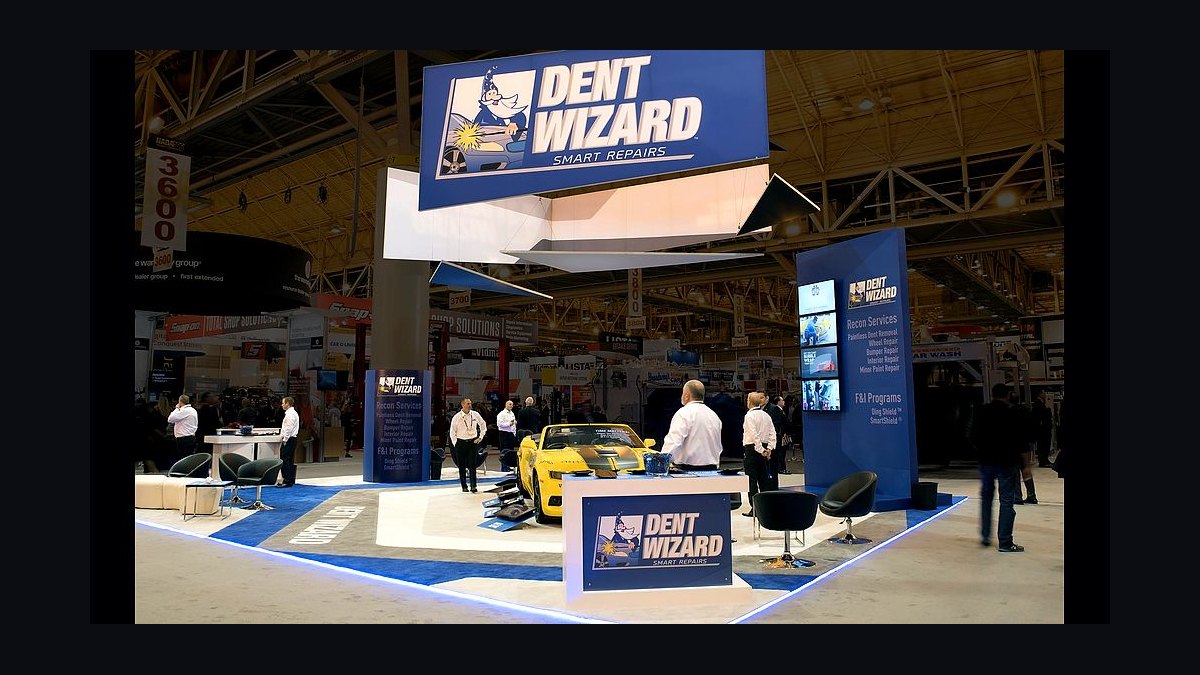
Dent Wizard is not a franchise you can buy — it is a company-employed, B2B paintless-dent-repair operator serving dealerships, fleets, auctions, and insurers, so there is no franchise agreement to sign in 2027. If you want to enter dent repair, your realistic choices are building an independent mobile PDR business or buying into a PDR/auto-recon franchise that actually franchises, such as Dent Mechanic.
The two options compared
Because Dent Wizard doesn't franchise, "should I open one" really collapses into a choice between two different business models, and they behave nothing alike. The first is going independent: you get trained, buy tools and a used van, and go sell your labor directly to dealerships, body shops, and fleets. You keep 100% of the revenue after expenses, you carry no royalty, and you set your own hours and territory. The tradeoff is that you also carry 100% of the risk — no brand recognition, no national account pipeline, no standardized training curriculum, and no marketing engine behind you. Every dealer relationship you land, you land yourself, one cold call or one free demo repair at a time.
The second option is a genuine PDR or auto-reconditioning franchise — Dent Mechanic (now under the Driven Brands umbrella) and Auto Spa of America are the two most commonly cited names in this category. These come with a franchise disclosure document, an initial fee, ongoing royalties, and in exchange you get a training pipeline, a recognized brand on your van wrap, established vendor relationships for tools and supplies, and in some cases access to national account referrals that an independent operator would spend years building. Dent Mechanic's total investment typically runs $50,000–$80,000, covering training, equipment, and the vehicle wrap; Auto Spa of America's broader recon franchise runs $100,000–$150,000 because it bundles PDR with other reconditioning services like interior detailing and paint touch-up.

There's a third quasi-option worth naming even though it isn't really "franchising": going to work for Dent Wizard itself as a W-2 technician. That's not ownership and doesn't carry any capital risk or equity upside, but for someone who wants to learn the trade on someone else's dime, with steady hail-season overtime and no need to hunt for dealer accounts, it's a legitimate on-ramp before eventually going independent or buying a franchise once you know the trade cold.
The honest comparison, then, is capital-light-and-skill-heavy (independent) versus capital-heavier-and-system-heavy (franchise). Neither path lets you "open a Dent Wizard" — that door simply doesn't exist — but both paths let you compete in the same market Dent Wizard operates in.
How to decide between them
The decision mostly comes down to three questions: how much capital you can risk, how much you already know about running a service business, and how much you value having a brand and referral pipeline versus keeping every dollar of margin.

If you have deep mechanical aptitude, some savings, and you're comfortable spending your first six months making cold calls to used-car lots, the independent route lets you test the trade for as little as $15,000–$25,000 before you're fully committed. If you'd rather pay for a system — training curriculum, a recognized name on the van, vendor discounts, and in some cases dealer relationships that are already established for the brand — the franchise route costs more upfront but compresses your ramp-up time, because you're not building brand trust with dealers from zero.
A useful gut-check: if you're the type who would rather negotiate every vendor contract yourself and keep every point of margin, go independent. If you've never run a service business and the idea of building a client base from a cold list makes you uneasy, the franchise's training and brand support is worth the extra $30,000–$90,000 in upfront cost. There's no wrong answer here — the mistake is only in assuming Dent Wizard itself sells either path, when it sells neither.
Concrete numbers behind each option

Independent mobile PDR startup budget (2027 estimates):
- Training: $3,000–$15,000 for a reputable 2–8 week hands-on course (online-only options run $500–$1,500 but rarely produce job-ready technicians)
- Tools: $3,000–$15,000 for a starter kit of rods, glue-pullers, lighting rigs, and a heat source; professional-grade kits cost more
- Vehicle: $5,000–$30,000 for a used van or SUV, wrapped and shelved; leasing instead adds $400–$700/month
- Insurance and licensing: $2,000–$6,000/year for general liability and commercial auto; some states also require a contractor's license ($200–$500)
- Marketing and lead generation: $500–$2,000/month for local ads, dealer networking, and a basic website
- Working capital cushion: $3,000–$10,000 to cover the ramp period before accounts are steady
Total first-year outlay lands around $25,000–$65,000, well under most franchise investment ranges. Revenue potential: an independent technician grosses $40,000–$80,000 in year one working part-time while building accounts, scaling to $80,000–$250,000+ by year three with a full dealer roster. Per-job economics matter more than most people expect — dealers typically pay $75–$150 per panel repair, and a skilled tech doing 4–6 repairs an hour can gross $300–$900/hour of billed time, but only once volume is consistent. Break-even for a new independent typically falls at 8–14 months if 2–3 dealer accounts are secured in the first 90 days; without those accounts, many independents don't survive year one.

Franchise investment ranges:
- Dent Mechanic: $50,000–$80,000 total investment (training, equipment, vehicle wrap included)
- Auto Spa of America: $100,000–$150,000 total investment (broader recon scope beyond PDR alone)
Both franchise options add an ongoing royalty on top of that initial number — confirm the exact percentage and any marketing-fund contribution directly with the franchisor before signing, since royalty structures change year to year and no verified 2027 figure should be assumed here.
Resale value, either path: a single-truck independent PDR operation with 5+ dealer accounts and clean 12-month financials typically sells for 2–4x annual net profit, roughly $50,000–$250,000. Multi-truck operations (3–5 vans) can fetch $300,000–$800,000. Without documented recurring contracts and a trained employee technician, the business is really just a job and sells for closer to $15,000–$40,000 — the value of the tools and vehicle alone.
Implementation details and sequencing
Whichever path you pick, the sequencing looks similar because both routes ultimately depend on the same two ingredients: a trained technician and a pipeline of dealer accounts. The order in which you acquire them determines how fast you get to break-even.
For the independent route: start training before you buy a full tool kit — many trainers let you rent or borrow equipment during the course, so you're not sinking $10,000 into rods before you know if the trade suits your hands. Once certified, buy a used van rather than new (a wrapped, shelved used vehicle does the job for thousands less), and start cold-calling independent used-car lots before targeting franchised dealerships — independents don't have exclusive PDR contracts locked in with a national provider the way many franchised dealers do. Offer a free demo repair or a 30-day trial period; this is standard practice in the trade and is usually what converts a first meeting into a signed account. Expect 3–6 months of relationship-building before your schedule fills.
For the franchise route: the franchisor's onboarding typically sequences training and territory assignment first, since you're paying in part for their existing playbook. Confirm before signing whether the franchise provides any warm introductions to dealers in your territory or whether you're still expected to build the book yourself — this varies significantly and should be spelled out in the franchise disclosure document, not assumed from the sales pitch.

One sequencing detail that trips up newcomers on either path: don't over-invest in tooling before you have at least one committed account. A poorly trained technician can burn through $15,000 in tools and equipment and still earn nothing, because PDR is a skill-driven trade — the tools don't repair the dent, the technician does. Whether you go independent or franchise, treat the first 90 days as validation, not scale-up: get the training done, get one or two accounts signed, and only then invest further in a second van, a second technician, or expanded marketing spend.
Related questions
Can I buy a Dent Wizard franchise directly from the company? No — Dent Wizard doesn't offer franchises. It hires W-2 technicians and operates as a company-run B2B service provider to dealerships, fleets, and insurers, so there's no franchise agreement available to purchase.
Is PDR a good trade to learn with no prior auto body experience?

Yes, in most cases. Mechanical aptitude and patience help, but many successful PDR technicians start with zero auto body background and learn entirely through formal training or an apprenticeship.
How fast can an independent PDR business become profitable? Typically 8–14 months if you land 2–3 dealer accounts within your first 90 days; without early accounts, many independents struggle to survive their first year.
Are dealer contracts exclusive to companies like Dent Wizard? Often yes, especially at franchised new-car dealerships, which is why many new independents start with smaller used-car lots that lack national PDR contracts before pursuing larger accounts.
FAQ
Is Dent Wizard actually a franchise I can buy? No. Dent Wizard operates with company-employed technicians performing paintless dent repair for dealerships, fleets, auctions, and insurers. There is no franchise offering to purchase from the company.
What does it cost to start an independent PDR business instead?

A mobile PDR setup typically runs $15,000–$65,000 in the first year, covering training, tools, a vehicle, insurance, and initial marketing — far below most franchise investment levels.
How long does it take to learn paintless dent repair? Training programs run anywhere from a few weeks to a few months depending on the course and your dedication. Many technicians report steady skill gains after 6–12 months of hands-on practice.
Are there any real PDR franchises I could consider instead of Dent Wizard? Yes. Dent Mechanic (now part of Driven Brands) and Auto Spa of America both franchise. Investment ranges and support levels differ, so review each franchise disclosure document directly.
What's the realistic earning potential for a mobile PDR operator? Highly variable by market and skill, but many independents report $40,000–$150,000 annually, with top performers who've built strong dealer rosters earning more.
Can I sell a PDR business later if I decide to exit? Yes, if it's built with documented dealer contracts, clean financials, and a trained employee technician. Single-truck operations often sell for $50,000–$250,000; multi-truck operations can fetch considerably more.
Sources
- https://www.dentwizard.com
- https://www.ibisworld.com
- https://www.statista.com
- https://www.autocare.org
- https://www.franchisebusinessreview.com
- https://www.franchise.org
- https://www.drivenbrands.com
- https://www.entrepreneur.com/franchises
Related on PULSE
- How long does it take to open a franchise and break even in 2027?
- Should I open or buy a Tommy Gun's Original Barbershop franchise in 2027?
- Should I open or buy a Painting with a Twist franchise in 2027?
Recently Added — Related
This page will be disappearing soon. Save it to your device for $1 — or read it free while it is here.
@Kory-White- · if Venmo asks, the last 4 of my number are 2012
This page is gone.
This one is off the shelf now. $1 keeps it on your phone for good — the whole page, pictures and diagrams included.
 franchiseShould I open or buy a Great Clips franchise in 2027?
 franchiseShould I open or buy a Jiffy Lube franchise in 2027?
 franchiseShould I open or buy a Bojangles franchise in 2027?
 franchiseShould I open or buy an Orangetheory Fitness franchise in 2027?
 franchiseShould I open or buy a Cinnabon franchise in 2027?
 franchiseShould I open or buy a Panera Bread franchise in 2027?
 franchiseShould I open or buy a Primrose Schools franchise in 2027?
 franchiseShould I open or buy an Ace Hardware franchise in 2027?
 franchiseShould I open or buy a Meineke franchise in 2027?
 franchiseShould I open or buy an Anytime Fitness franchise in 2027?