
Can *How to Win Friends and Influence People* still make you more likeable in 2027?
 Curated byKory White · Fractional CRO · Maryland
 PULSEKNOWLEDGE LIBRARY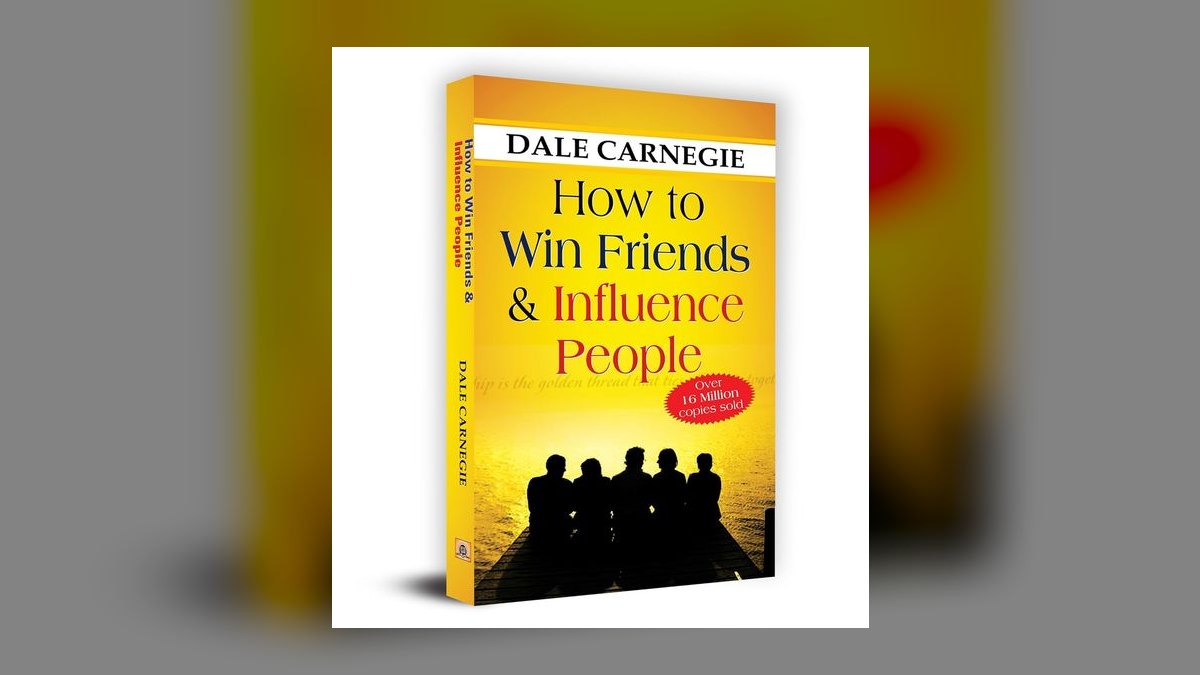
Yes, Dale Carnegie's classic How to Win Friends and Influence People can absolutely make you more likeable in 2027 — but not by memorizing its principles as a manipulative checklist. The book's core insight — that genuine interest in others, active listening, and appreciation are the foundation of social connection — is more valuable in a hyper-digital, AI-mediated world where authentic human warmth is scarce. Carnegie's techniques work because they target universal psychological needs for validation, respect, and belonging, which no technology has replaced. However, to succeed in 2027, you must adapt the book's precepts: replace "smile" with digital warmth in remote interactions, swap "remember names" for remembering context from CRM notes, and apply "talk in terms of the other person's interests" to personalized messaging across platforms. The book remains a behavioral primer on emotional intelligence — not a script — and its principles, when practiced with sincerity, will make you more likeable in any era.
1. Part One — The Timeless Foundation (Principles 1-3)

1.1 Principle 1 — Don't Criticize, Condemn, or Complain
Carnegie opens with a psychological insight: criticism is futile because it puts the other person on the defensive and makes them rationalize their behavior. In 2027, this principle is amplified by the public nature of online criticism — a harsh tweet or a passive-aggressive Slack message can damage your reputation instantly. The modern application: assume positive intent in every digital interaction. When a colleague misses a deadline, instead of "You're late again," try "I know things got busy — what can I do to help next time?" This isn't weakness; it's strategic empathy that preserves relationships and opens problem-solving.
1.2 Principle 2 — Give Honest, Sincere Appreciation
The second principle is often misread as flattery, but Carnegie distinguishes sharply: appreciation is about recognizing genuine value in others, while flattery is selfish and transparent. In 2027, appreciation scales digitally — a thoughtful LinkedIn recommendation, a public shout-out in a team channel, or a quick voice note saying "I noticed your work on that project — thank you." The key is specificity: "Great job" is hollow; "Your analysis of the Q3 data helped me avoid a costly mistake" builds real social capital. This principle works because humans have a deep need for significance — Carnegie called it "the deepest urge in human nature."
1.3 Principle 3 — Arouse in the Other Person an Eager Want
This is the most strategic principle: to influence someone, frame your request around their desires, not yours. In 2027, this translates directly to persuasive communication in sales, leadership, and even dating. Instead of "I need you to finish this report by Friday," try "If we get this report done by Friday, you'll have the weekend free and your boss will see your initiative." Carnegie's insight is that self-interest drives all human action — and the likeable person is the one who helps others get what they want while getting what they need.
2. Part Two — Six Ways to Make People Like You (Principles 4-9)
2.1 Principle 4 — Become Genuinely Interested in Other People
Carnegie's most famous story: he remembered a dog's name and won the owner's friendship. In 2027, genuine interest must be proactive — not waiting for someone to speak before you ask about them. In remote work, this means scheduling virtual coffee chats without an agenda, asking about hobbies, and remembering personal details from previous conversations. The psychological payoff is massive: people who feel seen and heard will naturally gravitate toward you. The challenge is that digital distractions make it easy to fake interest — but authenticity is detectable, and insincerity repels.
2.2 Principle 5 — Smile

A simple but powerful behavioral cue. Smiling triggers mirror neurons in others, creating a feedback loop of warmth and trust. In 2027, the smile must translate to digital presence: a warm tone in voice messages, a friendly emoji in chat, a genuine laugh during video calls. Carnegie's principle is about projecting approachability — and in a world of faceless emails and automated replies, a human smile (even virtual) is a differentiator. But beware: a forced smile feels manipulative; the smile must come from genuine goodwill.
2.3 Principle 6 — Remember Names

Carnegie called a person's name "the sweetest and most important sound in any language." In 2027, name memory is harder because we meet dozens of people digitally each week. The solution: use tools ethically — after a Zoom call, jot down names in a notes app; before a meeting, review attendee names. The principle's deeper point: remembering someone's name signals that they matter to you. In a world of algorithmic personalization, a human who remembers your name stands out as genuinely attentive.
2.4 Principle 7 — Be a Good Listener. Encourage Others to Talk About Themselves.

Carnegie's listening principle is the antidote to self-promotion. In 2027, where everyone is broadcasting their achievements on LinkedIn, the person who listens actively — asks follow-up questions, paraphrases, and withholds judgment — is rare and magnetic. The technique: ask open-ended questions like "What was the most interesting part of your week?" and resist the urge to interrupt with your own story. Listening is the highest form of respect you can offer, and it makes people feel understood — the core of likeability.
2.5 Principle 8 — Talk in Terms of the Other Person's Interests
This is the empathy principle: before speaking, ask "What matters to this person?" In 2027, this applies to personalized communication — tailoring your message to the recipient's role, industry, or personal goals. A sales rep who researches a prospect's recent promotion and says "I saw you took over the APAC region — how's that going?" will be far more likeable than one who launches into a product pitch. Carnegie's insight: self-interest is the universal language, and speaking it makes you a welcome guest in any conversation.
2.6 Principle 9 — Make the Other Person Feel Important — and Do It Sincerely
The capstone principle: everyone wants to feel valued. In 2027, this means acknowledging contributions publicly, deferring to expertise ("You know more about this than I do"), and giving credit where it's due. The sincerity requirement is critical — people can sense when you're just going through the motions. Carnegie's ultimate lesson: likeability is not a tactic; it's a byproduct of genuine respect for others.
3. Part Three — Win People to Your Way of Thinking (Principles 10-21)
*Note: Carnegie's original Part Three contains 12 principles, and Part Four contains 9 principles, for a total of 30 principles in the book. What follows is a representative selection of key principles from these sections, adapted for 2027.*
3.1 Principle 10 — The Only Way to Get the Best of an Argument Is to Avoid It
Carnegie's most counterintuitive principle: winning an argument makes the other person feel defeated and resentful — you lose the relationship. In 2027, online arguments are toxic traps that damage your reputation. The alternative: seek common ground first, acknowledge the other person's point ("I see why you'd think that"), and then offer a different perspective without confrontation. Likeable people don't need to be right; they need to be connected.
3.2 Principle 11 — Show Respect for the Other Person's Opinions. Never Say "You're Wrong."
This principle is about preserving dignity. Saying "You're wrong" triggers a defensive reaction that shuts down dialogue. In 2027, this is especially relevant in cross-cultural or remote teams where tone is easily misread. The better approach: "I see it differently — here's my perspective." Carnegie's insight: people will listen to you only after they feel heard.
3.3 Principle 12 — If You Are Wrong, Admit It Quickly and Emphatically
Vulnerability builds trust. Carnegie argues that admitting a mistake disarms criticism and shows integrity. In 2027, where public apologies are common but often insincere, a quick, specific, and humble admission of error (e.g., "I dropped the ball on that deadline — my fault, here's my plan to fix it") makes you more likeable because it signals self-awareness and accountability.
3.4 Principle 13 — Begin in a Friendly Way
Warmth is a precondition for influence. Carnegie recommends starting every interaction with a friendly tone — a smile, a compliment, a shared laugh. In 2027, this means opening emails with a personal note before the ask, starting meetings with a check-in ("How's everyone doing today?"), and using positive language even in difficult conversations. Friendliness is contagious and sets the stage for cooperation.
3.5 Principle 14 — Get the Other Person Saying "Yes, Yes" Immediately
This is the agreement momentum principle: ask questions that the other person will naturally agree with before making your request. For example, "Would you agree that customer satisfaction is our top priority?" — then "So investing in better training makes sense, right?" In 2027, this works in sales pitches, team proposals, and even personal asks because it builds a psychological bridge of shared understanding.
3.6 Principle 15 — Let the Other Person Feel That the Idea Is Theirs
Ownership drives commitment. Carnegie advises suggesting ideas rather than commanding them. In 2027, this means framing proposals as "What if we tried X?" instead of "We should do X." When someone feels an idea is their own, they'll defend it passionately — and they'll like you for empowering them.
3.7 Principle 16 — Begin with Praise and Honest Appreciation
Carnegie's sandwich technique: start with a genuine compliment before giving constructive feedback. In 2027, this is crucial for managing remote teams where feedback can feel impersonal. Example: "Your presentation was well-researched and clear. One area to strengthen: the conclusion could tie back to our goals more directly. Your analysis skills will make that easy." Praise builds psychological safety for receiving criticism.
3.8 Principle 17 — Call Attention to People's Mistakes Indirectly
Direct criticism triggers defensiveness. Carnegie suggests hinting at the mistake or asking a question that leads the person to see it themselves. In 2027, this means avoiding public shaming in Slack or email. Instead, a private message: "I noticed the report had a few numbers that didn't match — could you double-check those?" Indirectness preserves dignity and keeps the relationship intact.
3.9 Principle 18 — Talk About Your Own Mistakes Before Criticizing the Other Person
Shared vulnerability makes criticism palatable. Carnegie advises: "I made the same error last quarter — here's what I learned." In 2027, this builds trust and camaraderie in teams. It signals humility and growth mindset, both of which are highly likeable traits.
3.10 Principle 19 — Ask Questions Instead of Giving Direct Orders
Autonomy is a deep human need. Carnegie says questions invite collaboration; orders invite resistance. In 2027, this means "Could you try handling this approach?" instead of "Do it this way." Likeable leaders are coaches, not commanders.
3.11 Principle 20 — Let the Other Person Save Face
Public embarrassment is a relationship killer. Carnegie insists on preserving the other person's dignity even when they're wrong. In 2027, this means never calling someone out in a group setting — instead, address issues privately. Face-saving is a universal social currency that buys loyalty and likeability.
3.12 Principle 21 — Praise the Slightest Improvement and Praise Every Improvement
Positive reinforcement is more effective than punishment. Carnegie advises catching people doing things right and praising them specifically and enthusiastically. In 2027, this means celebrating small wins in team channels, thanking colleagues for minor efforts, and building a culture of appreciation. Likeable people are generous with recognition.
4. The 2027 Adaptation Guide
4.1 The Digital Translation
Carnegie wrote for face-to-face interactions in a world of handshakes and dinner parties. In 2027, the principles must be translated for text, video, and social media:
- Smile becomes a warm voice tone and positive emoji use.
- Remember names becomes CRM notes and contextual memory.
- Talk in terms of their interests becomes personalized messaging and targeted content.
- Avoid arguments becomes muting toxic threads and private resolution.
4.2 The Sincerity Trap
The biggest risk of using Carnegie's principles in 2027 is perceived insincerity. In an age of social media manipulation and branded authenticity, people are hyper-aware of being "sold." The solution: practice the principles with genuine intent. Carnegie himself said, "The only way to get the best of an argument is to avoid it" — not as a trick, but as a philosophy of respect. Likeability cannot be faked; it must be earned through consistent, authentic behavior.
4.3 The AI Competition
In 2027, AI chatbots can simulate active listening and personalized praise — but they lack genuine emotion and contextual intuition. Carnegie's principles work because they are human — rooted in empathy, vulnerability, and shared experience. The person who truly cares about others will always be more likeable than the most sophisticated algorithm.
5. The Psychology Behind the Principles
5.1 The Need for Belonging
Carnegie's principles tap into a fundamental human need for belongingness and love. Humans are social animals wired for connection; being likeable is a survival advantage. In 2027, with remote work and digital isolation, the need for genuine social bonds is even more acute. Carnegie's principles offer a practical roadmap for meeting that need in others — and in doing so, meeting it in yourself.
5.2 The Reciprocity Principle
Carnegie's emphasis on giving appreciation and listening triggers reciprocity — people naturally want to return the favor of being treated well. This is not manipulation; it's social physics. In 2027, reciprocity works across digital channels — a thoughtful comment on someone's post often leads to them engaging with your content. Likeability is a two-way street built on mutual giving.
5.3 The Self-Fulfilling Prophecy
When you treat people as likeable, they often become more likeable toward you. Carnegie's principles create a positive feedback loop: your genuine interest makes others feel valued, which makes them open and warm, which makes you more likeable in return. In 2027, this is the ultimate social strategy — not a tactic, but a way of being.
FAQ
Can I use Carnegie's principles to manipulate people? Yes, but insincerity is easily detected and will backfire — the principles work only when practiced with genuine respect for others.
Do the principles work in online dating? Absolutely — showing genuine interest, remembering details, and avoiding criticism are powerful in building romantic connections.
Is the book outdated for Gen Z? No — Gen Z values authenticity and mental health, which align perfectly with Carnegie's emphasis on respect and empathy.
How do I remember names in a digital-first world? Use tools like CRM notes or a simple contact app — but the key is to care enough to remember.
What if someone is hostile or rude? Carnegie would advise avoiding the argument and seeking common ground — but also setting boundaries if the behavior is toxic.
Can AI replace Carnegie's principles? AI can simulate them, but genuine human warmth and empathy cannot be replicated — that's your competitive advantage.
Sources
- Dale Carnegie, *How to Win Friends and Influence People* (1936, revised editions)
- Abraham Maslow, *A Theory of Human Motivation* (1943)
- Robert Cialdini, *Influence: The Psychology of Persuasion*
- Daniel Goleman, *Emotional Intelligence*
- Harvard Business Review, articles on active listening and empathy
- Psychology Today, articles on social connection and belonging
- The Carnegie Foundation (Dale Carnegie & Associates)
Related on PULSE
- [What’s the most actionable chapter in *How to Win Friends and Influence People* for cold calling in 2027?](/knowledge/bs0412)
- [What’s the most underrated chapter in *How to Win Friends and Influence People* for building executive relationships?](/knowledge/bs0392)
- [What’s the best chapter in *How to Win Friends and Influence People* for leading a team in 2027?](/knowledge/bs0376)
- [What’s the most actionable chapter in *How to Win Friends and Influence People* for networking in 2027?](/knowledge/bs0362)
- [What’s the best summary of *How to Win Friends and Influence People* for managers in 2027?](/knowledge/bs0349)
- [What’s the most actionable principle from *How to Win Friends and Influence People* for remote work in 2027?](/knowledge/bs0335)
@Kory-White- · if Venmo asks, the last 4 of my number are 2012
 bsWhat are the key lessons from *Never Split the Difference* for negotiating a raise in 2027?
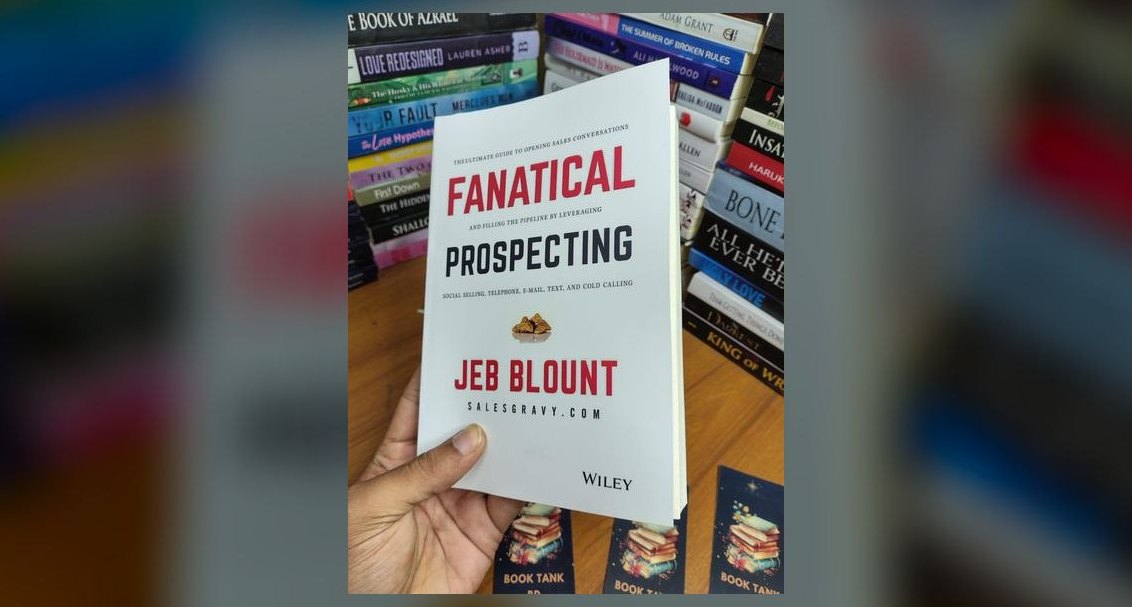 bsHow do you apply *Fanatical Prospecting* to LinkedIn outreach in 2027?
 bsHow does *Gap Selling* help you close more deals in a recession in 2027?
 bsWhat sales script does *New Sales. Simplified.* recommend for cold calls in 2027?
 bsDoes *The Psychology of Selling* still hold up for modern sales techniques in 2027?
 bsWhat’s the most actionable principle from *How to Win Friends and Influence People* for remote work in 2027?
 bsWhat’s the biggest mistake *SPIN Selling* warns against in complex B2B sales?
 bsHow does *Fanatical Prospecting* change your daily routine for outbound sales?
 bsWhat’s the most persuasive technique from *Pitch Anything* for investor pitches?
 bsWhat’s the key insight from *The Challenger Sale* for leading a sales team in 2027?