
What’s the best chapter in *How to Win Friends and Influence People* for leading a team in 2027?
 Curated byKory White · Fractional CRO · Maryland
 PULSEKNOWLEDGE LIBRARY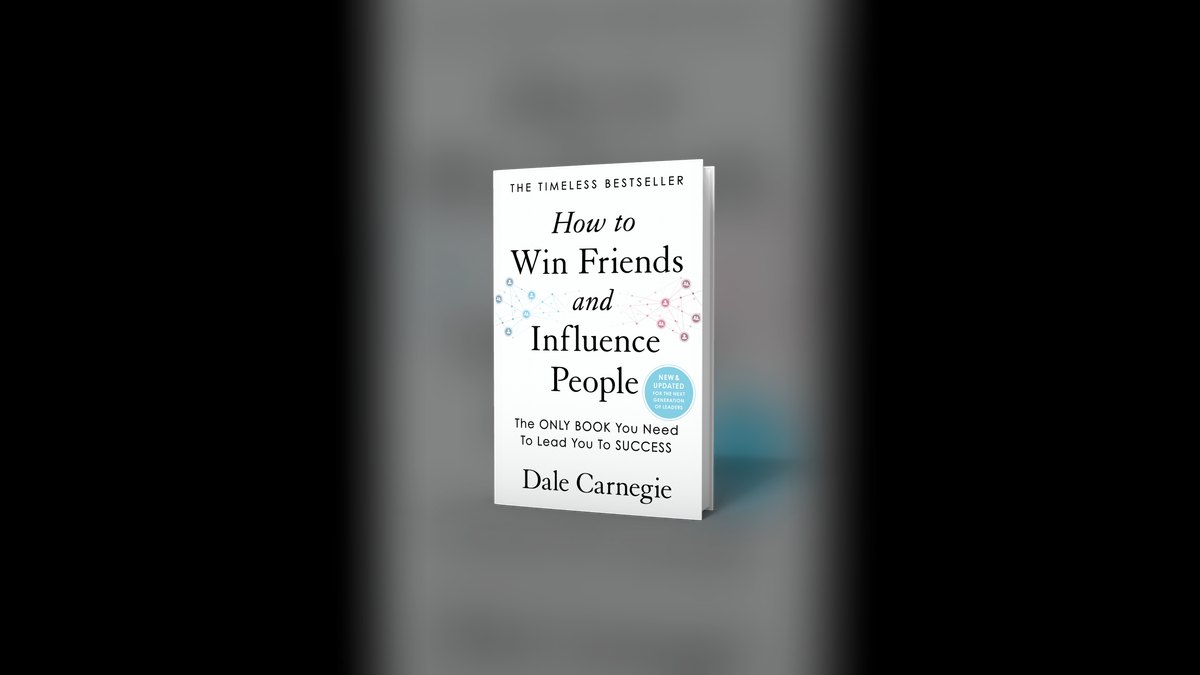
The best chapter in **Dale Carnegie's *How to Win Friends and Influence People* for leading a team in 2027 is the first chapter in Part Two, "Six Ways to Make People Like You," which introduces the principle of becoming genuinely interested in other people. In a 2027 workplace shaped by remote collaboration, AI fatigue, and fractured team cohesion, the ability to make each team member feel seen, heard, and valued is the single highest-leverage leadership skill. Carnegie's core insight — that you can make more friends in two months by being interested in others than in two years by trying to get them interested in you — translates directly into psychological safety, retention, and discretionary effort on modern teams. While the entire book is a toolkit for influence, this chapter is the foundation** that makes every other technique (smiling, remembering names, avoiding criticism) actually work in a high-distraction, low-trust digital environment.
1. Why This Chapter Wins for 2027 Leadership
The 2027 workplace is defined by distributed teams, asynchronous communication, and algorithmic management tools that track productivity but miss human connection. Carnegie's principle — "become genuinely interested in other people" — directly counters the dehumanizing effects of digital-first work. When a leader takes five minutes before a 1:1 to learn about a team member's hobbies, family, or career aspirations, that investment pays back in trust and loyalty that no Slack bot or OKR dashboard can replicate. This chapter also teaches the conversational skill of asking questions the other person will enjoy answering — which in 2027 means replacing the standard "how are you?" with specific, curious questions about the person's recent wins, learning projects, or side passions. Leaders who master this build psychological safety faster than those who rely on authority or process.
2. The Psychological Mechanism — Why Interest Beats Technique
Carnegie's insight aligns with modern social neuroscience: the human brain releases oxytocin and dopamine when it feels genuinely seen and valued by another person. This is the biology of belonging — and it's the same mechanism that drives team cohesion and discretionary effort. When a leader practices this principle, they activate the ventromedial prefrontal cortex in their team members, which reduces defensiveness and stress while increasing collaboration and creativity. In 2027, where many workers report feeling like cogs in an AI-optimized machine, a leader who shows genuine interest is not just being nice — they are providing a biological antidote to burnout and disengagement. The chapter's simple instruction — "talk in terms of the other person's interests" — becomes a leadership superpower when applied consistently across a distributed team.

3. Practical Application — This Principle in Daily Team Leadership
Here is how a 2027 leader operationalizes this principle in daily practice:
- Pre-1:1 Research: Before every one-on-one, spend three minutes reviewing the team member's recent LinkedIn activity, Slack posts, or project updates to find something specific to ask about — a conference they attended, a book they mentioned, a personal milestone.
- The Five-Minute Rule: In the first five minutes of any meeting, ask a non-work question that shows you remember something personal from a previous conversation. "How did your daughter's soccer tournament go last weekend?" or "Did you finish that woodworking project you were building?"
- Team Rituals: Start weekly team stand-ups with a "win of the week" round that celebrates personal achievements (fitness goals, learning milestones, family events) — not just work wins.
- Digital Presence: Use asynchronous video (Loom, Slack clips) to give shout-outs that reference personal interests. "Shout-out to Priya for crushing her half-marathon — that discipline shows in her code quality too."
- The Curiosity Habit: Replace judgmental questions ("Why didn't you finish this?") with curious questions ("What was the hardest part of this task? What would make it easier next time?").

4. How This Principle Integrates with Other Carnegie Principles
This principle is the keystone that makes every other Carnegie principle work in a team context:
- The chapter on avoiding criticism: Genuine interest makes it natural to offer constructive feedback without triggering defensiveness — because the team member knows you care about them as a person.
- The chapter on giving honest appreciation: Interest reveals what each person actually values, so your appreciation is specific and authentic — not generic praise.
- The chapter on arousing an eager want: When you know someone's personal goals and motivations, you can frame work in terms of what they genuinely want to achieve.
- The chapter on smiling: Interest makes your smile warm and genuine — not a forced corporate mask.
- The chapter on remembering names: Interest gives you a memory hook — you remember names because you care about the person, not because you're trying to manipulate them.
5. The 2027 Context — Why This Principle Matters More Now
In 2027, AI handles the transactional — scheduling, reporting, data analysis, even first-draft communication. What remains uniquely human is connection, empathy, and genuine interest. Leaders who rely on process and authority will be replaced by AI agents that can run stand-ups and assign tasks more efficiently. But leaders who practice genuine interest become irreplaceable — because no AI can convincingly simulate authentic curiosity about another human being's life. The principle also addresses the loneliness epidemic in remote work: workers who feel personally known by their manager are significantly less likely to experience burnout and turnover intention. This principle is the playbook for being that manager.
6. Common Mistakes Leaders Make Applying This Principle
Even well-intentioned leaders fail at this principle when they:
- Fake It: Team members can instantly detect performative interest — asking about someone's weekend but checking your phone while they answer. Carnegie's key word is genuine; if you don't care, don't ask.
- Overdo It: Asking too many personal questions too fast feels invasive rather than caring. Build trust gradually, matching the other person's comfort level.
- Forget Follow-Up: Asking about a personal project once and never mentioning it again signals disinterest — not genuine curiosity. Keep a simple CRM for people (a note in your phone) to track what matters to each team member.
- Use It as a Tactic: If your interest is only a prelude to a request, people will feel manipulated. Give interest freely, without expecting anything in return.
- Neglect Introverts: Some team members prefer professional boundaries and will feel uncomfortable with personal questions. This means adapting your curiosity to their communication style — asking about their work philosophy or learning goals instead of their weekend plans.
7. How to Apply This Principle When You're Managing Across Time Zones
Leading a team in 2027 often means you have colleagues who start their day while you're finishing dinner. The classic Carnegie advice to "become genuinely interested in other people" can feel impractical when your only interaction is a Slack message at 10 p.m. But the principle actually becomes *more* powerful in asynchronous settings—you just need to translate it into deliberate, low-friction habits.
Start with the "digital doorway." Carnegie wrote that a person's name is the sweetest sound in any language. In a remote context, this means using a teammate's name not just in greetings, but in written feedback, project updates, and even automated recognition tools. When you tag someone in a document, add a brief personal note: "Maya, I thought of your approach to the Q3 analysis when I read this—curious if you see a parallel." That small act signals that you carry their contributions with you, even when you're not in the same room.
Schedule "interest audits," not check-ins. Many leaders hold one-on-ones that are really status updates. Instead, dedicate every third meeting to learning something about the person that has nothing to do with deliverables—their career aspirations, a hobby they've mentioned, or a challenge they're navigating outside work. Carnegie's core insight is that interest must be *genuine*, so avoid turning this into a checklist. Ask one open-ended question and listen without jumping to solve or redirect. Over time, this builds the kind of trust that makes difficult feedback and bold delegation possible.
Use async tools to show you remember. In 2027, your team likely uses a mix of project management software, video messages, and shared documents. Leave a voice note on a deliverable that references something the person shared weeks ago: "I remember you said you were experimenting with this workflow—how did that turn out?" Or tag them in a resource with a note like, "This reminded me of your interest in systems thinking." These micro-gestures accumulate into a reputation for genuine care, which is the bedrock of influence in a distributed environment.
The key is consistency. Carnegie's principle fails when it's deployed as a tactic—people can sense transactional interest. But when you build small, repeatable practices that prove you see the whole person, you create the psychological safety that allows teams to take risks, disagree productively, and stay engaged despite the distance.
8. The Hidden Principle: Why "A Sure Way to Make Enemies" Is Your Second-Best Bet for 2027
While genuine interest is the foundation, the most *underrated* principle for a 2027 team leader is the one Carnegie presents in the chapter "A Sure Way to Make Enemies—and How to Avoid It." This is where Carnegie warns against the "criticism habit"—the reflexive urge to point out what's wrong before acknowledging what's right. In a world of AI-generated performance dashboards, automated error alerts, and constant feedback loops, the temptation to criticize is higher than ever. But the cost is also higher.

Criticism kills psychological safety instantly. In 2027, teams are often composed of contractors, gig workers, and full-time employees who can leave with a few clicks. When a leader leads with criticism—even constructive criticism—they signal that the environment is unsafe for mistakes. Carnegie's alternative is to *begin with praise and honest appreciation* before addressing areas for improvement. This doesn't mean sugarcoating; it means framing feedback as a shared effort to grow. For example, instead of saying, "Your report missed the key metric," try, "Your analysis of the customer trends was sharp—how could we layer in the retention data to make it even stronger?"
Criticism also escalates in digital formats. Text-based feedback (email, Slack, comments on documents) lacks tone, facial expression, and body language. A well-intentioned critique can land as a personal attack. Carnegie's principle is a reminder that in writing, you must be *more* generous, not less. Use emojis, GIFs, or short video messages to soften the delivery. And when you must give critical feedback, do it live—on a call or in person—where you can adjust your tone in real time.

The antidote is "appreciation before correction." Carnegie tells a story of a manager who saved a failing project by first thanking the team for their effort, then asking, "What would you do differently if you could?" This approach invites ownership rather than defensiveness. In 2027, where teams are often overworked and under-resourced, this small shift can mean the difference between a team that grinds through problems and one that innovates around them.
The best leaders in 2027 won't be the ones who spot errors fastest. They'll be the ones who make their teams feel safe enough to *show* their errors early, ask for help, and improve without fear. That's the hidden power of this principle—and why it deserves a spot on your leadership bookshelf alongside genuine interest.
9. The One Principle Most Leaders Skip (But Shouldn't in 2027): "How to Interest People"
The principle of talking in terms of the other person's interests is often dismissed as a sales or networking tactic. But in 2027, when attention is the scarcest resource in any organization, this principle becomes a leadership survival skill. Carnegie's advice is simple: talk in terms of the other person's interests. For a team leader, this means framing every request, goal, or change initiative in terms of what matters to *each individual* team member.

Start with "what's in it for them." Before you assign a task or announce a new process, ask yourself: "Why should this person care?" If you can't answer that, you'll lose their attention before you finish speaking. For example, if you're rolling out a new project management tool, don't lead with its features. Lead with how it will save them time on status updates, reduce meeting overload, or give them clearer visibility into their own progress. Carnegie's principle works because it respects the listener's autonomy—you're not demanding attention; you're earning it.
Use curiosity as a leadership tool. Carnegie suggests asking questions that reveal what someone is passionate about. In a team setting, this translates to regular "interest mapping"—learning what each person finds energizing, frustrating, or aspirational about their work. Then, when you need to rally the team around a difficult quarter or a pivot, you can connect the new direction to those individual drivers. One person might care about skill development; another about autonomy; another about recognition. Tailor your language accordingly.
Avoid the "one-size-fits-all" pitch. In 2027, teams are more diverse than ever—not just in demographics, but in work styles, motivations, and communication preferences. A leader who uses the same motivational speech for everyone will miss most of the room. Instead, use this principle to customize your approach. Send a quick voice note to the person who values directness. Write a detailed email to the analytical thinker. Give public shout-outs to the person who thrives on recognition. By speaking to each person's interests, you build a culture where people feel understood—and that understanding is the fastest path to influence.
The best principle for leading a team in 2027 isn't just one—it's a combination of genuine interest, avoiding criticism, and speaking to individual motivations. Master these three, and you'll have a team that trusts you, follows you, and stays with you through the uncertainty of any future.
FAQ
What exactly does this principle teach that's so useful for leading a remote team? It teaches the principle of becoming genuinely interested in other people. In a remote or hybrid setting, where casual hallway conversations don't happen, this means proactively asking about a team member's weekend, their projects, or their challenges—and truly listening. This simple act builds the psychological safety that makes people feel comfortable sharing ideas and admitting mistakes.
Does the book have any advice specifically for dealing with AI fatigue on a team? Yes, indirectly. Carnegie's core message is that people crave genuine attention and appreciation. When team members feel overwhelmed by automated tools and constant digital noise, a leader who takes time to acknowledge their human effort—rather than just checking tasks off a list—stands out. This counters the depersonalizing effect of technology.
Is "smiling" really a practical leadership tip for 2027? Yes, but it's about more than just a facial expression. In a video call, a warm tone of voice and a visible smile signal approachability and safety. Carnegie's point is that your attitude is contagious; a leader who appears genuinely happy to see their team sets a positive emotional tone, which is especially valuable in a high-stress, digitally mediated environment.
What about the principle on "remembering names"—is that still important? Absolutely, and it's even more critical in a distributed team where you might only interact with people on screen. Remembering and correctly using someone's name in a meeting or a chat shows you see them as an individual, not just a role. It's a small, consistent act that builds trust and respect over time.
Does the book address how to handle conflict on a team? Not directly in the principle of genuine interest, but the foundation it builds makes conflict easier to manage. When team members feel genuinely valued and heard, they are more receptive to feedback and less defensive. Other principles on avoiding criticism and seeing things from the other person's perspective become much more effective when trust is already established.
Is this book still relevant for leading a team of younger workers in 2027? Yes, perhaps more than ever. Younger generations often report feeling disconnected and undervalued at work. Carnegie's timeless advice—to show sincere interest, listen more than you talk, and appreciate people's contributions—directly addresses that need for belonging and recognition. It's a human-centered approach that technology cannot replace.
Sources
- Dale Carnegie, *How to Win Friends and Influence People* (1936, revised editions)
- Harvard Business Review, articles on psychological safety and team performance
- Gallup, State of the Global Workplace reports on employee engagement
- Center for Creative Leadership, research on leader empathy and retention
- Forbes, articles on remote team leadership best practices
- MIT Sloan Management Review, studies on trust in distributed teams
Related on PULSE
- [What’s the most actionable chapter in *How to Win Friends and Influence People* for cold calling in 2027?](/knowledge/bs0412)
- [What’s the most underrated chapter in *How to Win Friends and Influence People* for building executive relationships?](/knowledge/bs0392)
- [What’s the most actionable chapter in *How to Win Friends and Influence People* for networking in 2027?](/knowledge/bs0362)
- [How to Win Friends and Influence People by Dale Carnegie — Cliff Notes & Chapter-by-Chapter Summary](/knowledge/bs0005)
- [What’s the best summary of *How to Win Friends and Influence People* for managers in 2027?](/knowledge/bs0349)
- [What’s the most actionable principle from *How to Win Friends and Influence People* for remote work in 2027?](/knowledge/bs0335)
@Kory-White- · if Venmo asks, the last 4 of my number are 2012
 bsWhat are the key lessons from *Never Split the Difference* for negotiating a raise in 2027?
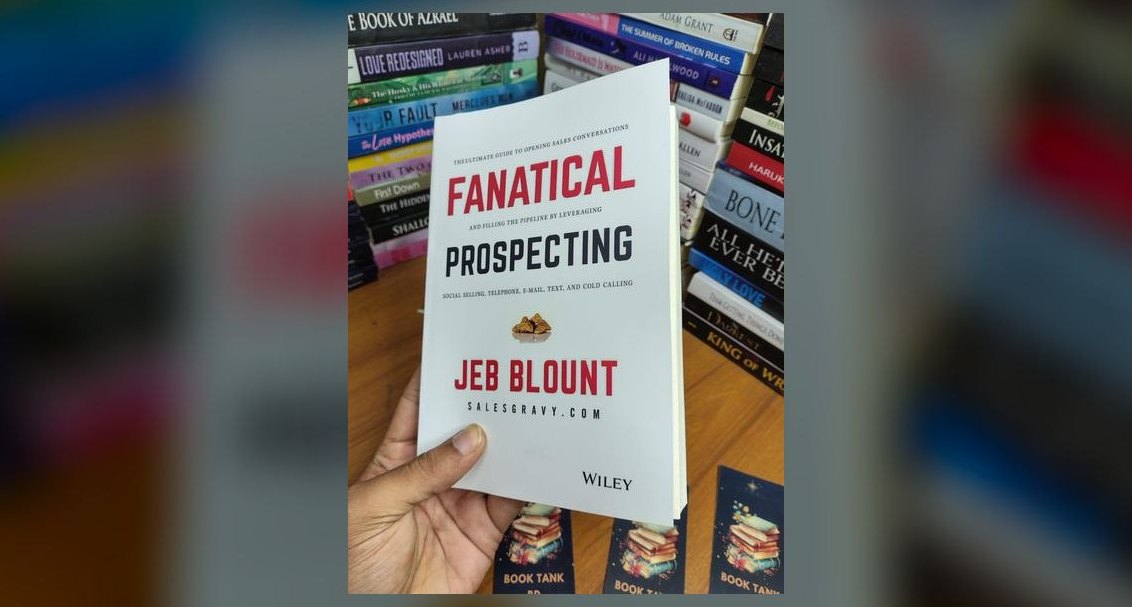 bsHow do you apply *Fanatical Prospecting* to LinkedIn outreach in 2027?
 bsHow does *Gap Selling* help you close more deals in a recession in 2027?
 bsWhat sales script does *New Sales. Simplified.* recommend for cold calls in 2027?
 bsDoes *The Psychology of Selling* still hold up for modern sales techniques in 2027?
 bsWhat’s the most actionable principle from *How to Win Friends and Influence People* for remote work in 2027?
 bsWhat’s the biggest mistake *SPIN Selling* warns against in complex B2B sales?
 bsHow does *Fanatical Prospecting* change your daily routine for outbound sales?
 bsWhat’s the most persuasive technique from *Pitch Anything* for investor pitches?
 bsWhat’s the key insight from *The Challenger Sale* for leading a sales team in 2027?